Versuchen GOLD - Frei
Culture & Critics - “How Did I End Up Like This?”
The Atlantic
|July - August 2020
Seamus Heaney’s journey into darkness

In a lecture called “Frontiers of Writing,” Seamus Heaney remembered an evening he spent as the guest of an Oxford college in May 1981. A “quintessentially Oxford event,” he called it: He attended chapel alongside a former lord chancellor of the U.K., went to a big dinner, slept in a room belonging to a Conservative cabinet minister. Heaney would not have been ill at ease in these environs. True, he was a long way from the farmhouse in Derry, in the north of Ireland, where he had been born in 1939, but by that time he was famous (for a poet) and even cosmopolitan. Awards and acclaim had been a constant since the publication of his first book, Death of a Naturalist, in 1966; a wistful post-agrarian sensibility in combination, or collision, with a crunching exactitude of language made his poetry irresistible.
That evening in Oxford, however, his thoughts were elsewhere. Earlier that day, in the Maze prison in Northern Ireland, Francis Hughes had died. Hughes, after Bobby Sands, was the second IRA hunger striker to starve himself to death in protest of the British government’s refusal to classify Republican internees as political prisoners. Heaney, a Catholic, knew Hughes’s family. “My mind kept turning towards that corpse house in Co. Derry,” he wrote. “Even as I circulated with my glass of sherry, I could imagine the press of a very different crowd outside and inside the house in mid-Ulster, the movement of people from one room to the next, the protocols of sympathy, the hush as members of the bereaved family passed, and so on.”
County Derry,
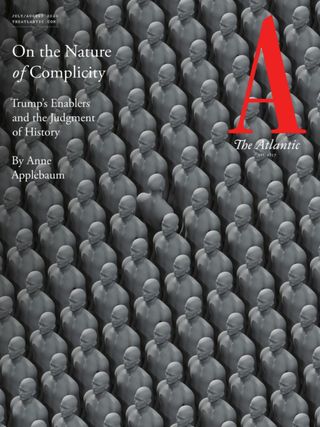

Diese Geschichte stammt aus der July - August 2020-Ausgabe von The Atlantic.
Abonnieren Sie Magzter GOLD, um auf Tausende kuratierter Premium-Geschichten und über 9.000 Zeitschriften und Zeitungen zuzugreifen.
Sie sind bereits Abonnent? Anmelden
WEITERE GESCHICHTEN VON The Atlantic
The Atlantic
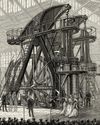
How America Celebrated Its 100th Birthday
The Centennial Exhibition of 1876 promised a glorious industrial future. Outside its gates, the country seethed with violence and corruption.

12 mins
June 2026

The Atlantic
THE CLOWN SHOW
The Savannah Bananas are reviving one of the most entertaining—and controversial—teams in Negro Leagues history.
21 mins
June 2026

The Atlantic
The Diva
Denyce Graves is retiring from performing after a career as one of opera's leading women. But there's more work for her to do.
10 mins
June 2026

The Atlantic
Cat Heir
Did Karl Lagerfeld really leave millions to Choupette?
26 mins
June 2026

The Atlantic
The Secret of Elizabeth Strout's Appeal
How she writes best sellers that are also critical darlings
10 mins
June 2026
The Atlantic
THE VENTURE-CAPITAL POPULIST
How David Sacks and the new tech right went full MAGA and captured Washington
32 mins
June 2026
The Atlantic
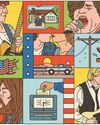
Glory Days
Heartland rock was shot through with nostalgia— but nostalgia for what?
9 mins
June 2026

The Atlantic
Alien Nation
Why Americans want to believe that the government is hiding the truth about extraterrestrial life
11 mins
June 2026
The Atlantic
Dinah's Hat
On the day Dinah lost her hat, I was sitting on the top step of my just-right Scamp trailer doing a crossword.
24 mins
June 2026

The Atlantic
THE AMERICA I'VE KNOWN
In my 93rd year, it's become ever more clear that patriotism requires sacrifice and collective effort.
7 mins
June 2026
Translate
Change font size