
Mit Magzter GOLD unbegrenztes Potenzial nutzen
Erhalten Sie unbegrenzten Zugriff auf über 9.000 Zeitschriften, Zeitungen und Premium-Artikel für nur
Can We Innovate Our Way Out Of This mess?
TIME Magazine
|September 23, 2019
IN THE 1970S, the U.S. Department of Energy poured money into making practical a miraculous technology: the ability to convert sunlight into electricity. Solar energy was a pipe dream, far too expensive and unreliable to be considered a practical power source.
-
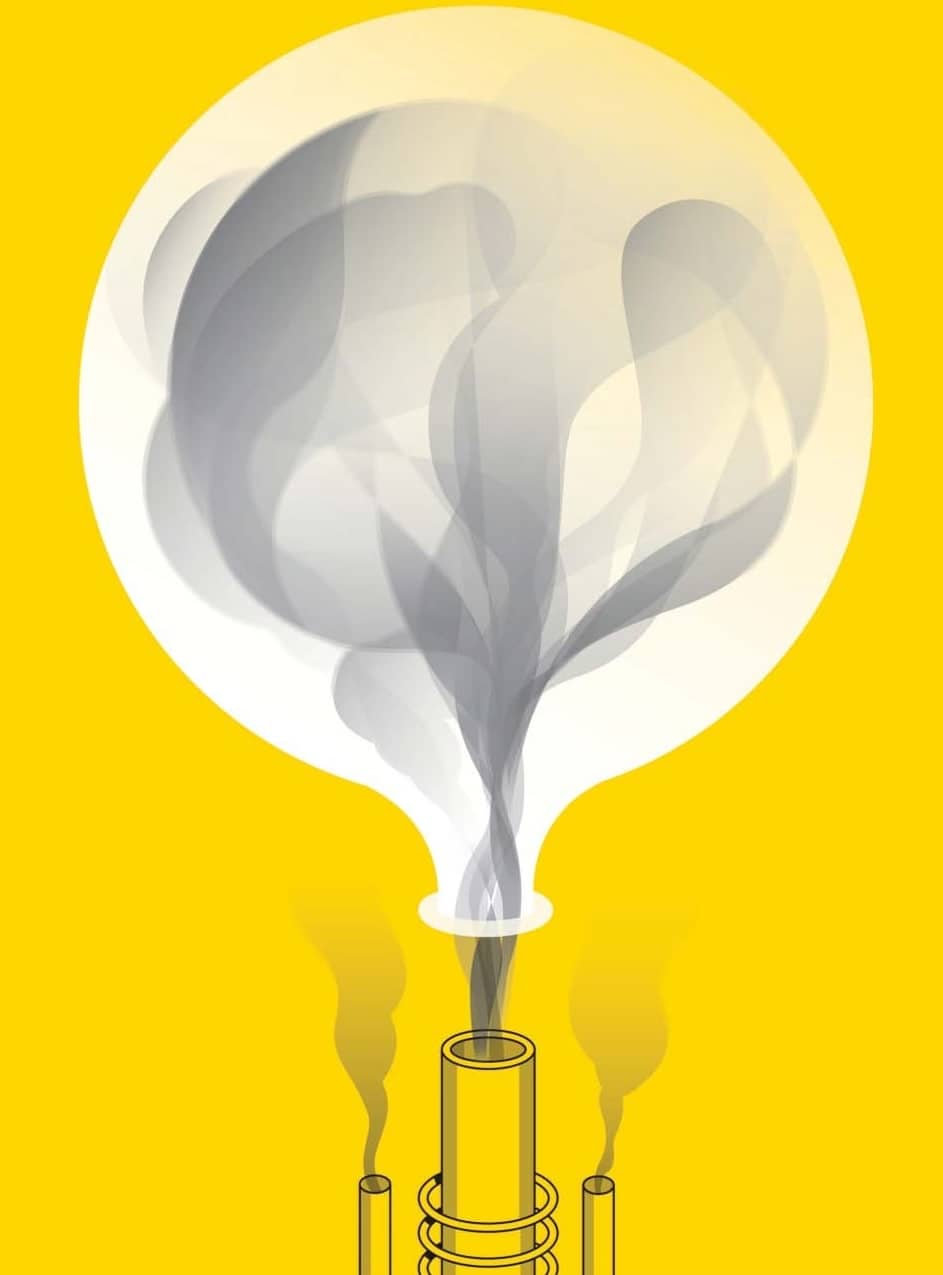
But yesterday’s moon shot is today’s reality. The expense of solar power has fallen more quickly than expected, with installations costing about 80% less today than a decade ago. Alternative energy (like wind and solar) is now often cheaper than conventional energy (like coal and gas). Last year, California generated 19% of its electricity from solar power, up from less than 1% just 10 years earlier. That growth is global. Solar-energy production worldwide has increased nearly 2,000% since 2009, but the U.S. is far from the leader. Of approximately 100 gigawatts of solar generation added in 2018, China accounted for 44 and the U.S. 11.
Eliminating the carbon emitted in the production of electricity is a crucial step toward keeping the world from heating to dire levels. It is also among the most straightforward, largely thanks to the innovations of the past few decades, which were driven by a combination of ingenuity, research funding and policy incentives. Innovation is not enough to avert the worst consequences of climate change, but there are solutions at hand that are commonplace and cost-effective. We desperately need more. Here’s a look at the things engineers have checked off their list, and the sticky problems left to solve.
TODAY’S RENEWABLES: SOLAR AND WIND

Diese Geschichte stammt aus der September 23, 2019-Ausgabe von TIME Magazine.
Abonnieren Sie Magzter GOLD, um auf Tausende kuratierter Premium-Geschichten und über 9.000 Zeitschriften und Zeitungen zuzugreifen.
Sie sind bereits Abonnent? Anmelden
Translate
Change font size