
Mit Magzter GOLD unbegrenztes Potenzial nutzen
Erhalten Sie unbegrenzten Zugriff auf über 9.000 Zeitschriften, Zeitungen und Premium-Artikel für nur
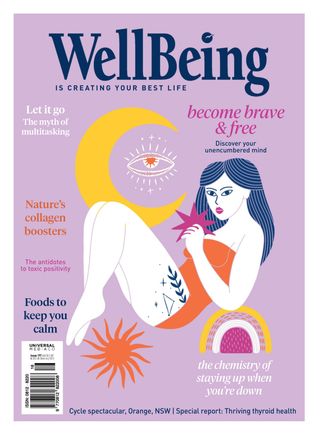
The myth of multitasking
WellBeing
|WellBeing 197
In our busy lives, multitasking seems like an efficient way to get things done, but there is a cognitive cost to trying to do everything at once.

Have you ever been on the phone with your boss, simultaneously shovelling banana into your toddler’s mouth, while wildly gesturing for your pre-teens to stop pelting each other with cornflakes? I’m sure it’s not just me.
The concept of multitasking is a modern-day malady that has convinced us we can “do it all” … all at the same time. Parents often multitask out of sheer desperation — there isn’t enough time in the day to get everything done, so they double or even triple up on tasks. We’ve been conditioned to wear this level of busyness like a badge of honour; you might even say the ability to multitask is considered a skill, an efficient way of doing things in the 21st century, but it isn’t.
Reliance on multitasking often comes at a great cost, leading to frayed tempers, stress and eventual burnout. Some might argue it goes hand in hand with caring for children. While you’d love to sit and play Barbies with your offspring, the dog isn’t going to feed itself, and the clothes (sadly) won’t magically jump out of the washing machine and trot out to the clothesline.
Lyn Craig, a professor of sociology and social policy at the University of Melbourne, has studied multitasking in the context of gender differences. It will hardly come as a surprise to learn women do it far more often than men.
Craig says even when parents aren’t consciously doing two physical tasks at once, the very nature of parenting means you are multitasking — you’re

Diese Geschichte stammt aus der WellBeing 197-Ausgabe von WellBeing.
Abonnieren Sie Magzter GOLD, um auf Tausende kuratierter Premium-Geschichten und über 9.000 Zeitschriften und Zeitungen zuzugreifen.
Sie sind bereits Abonnent? Anmelden
WEITERE GESCHICHTEN VON WellBeing
WellBeing
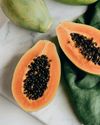
In Season
These are the fruit and vegetables that are currently in season and so will be the freshest.

1 min
Issue 218

WellBeing
Navigating complementary medicines
For practitioners, quality and evidence matter more than ever. SFI Health is raising the bar with gold-standard formulations that don't compromise on clinical integrity.
5 mins
Issue 218
WellBeing
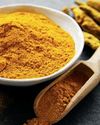
Too much of a good thing
Even well- intentioned health choices can sometimes contribute to unexpected problems.
3 mins
Issue 218

WellBeing
What we've been up to
WellBeing's editor Dana has been soaking up slow moments of warmth this winter.
1 min
Issue 218
WellBeing
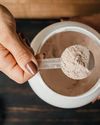
Could creatine have a dark side?
Creatine is a multitalented wonder potion we all need to protect us against the ravages of ageing.
3 mins
Issue 218

WellBeing
ACS Distance Education
The secret to a successful career.
3 mins
Issue 218
WellBeing
Yoga for Energy Vampires
In yoga, prana is our life force and acts as a bridge between universal consciousness and matter.
8 mins
Issue 218
WellBeing
Chinese medicine dietary therapy
Food therapy may augment TCM herbal therapy or sustain improvements after herbal treatments have ceased. It may also be used in prevention, to nourish health and prolong life.
3 mins
Issue 218
WellBeing
AcuEnergetics®
AcuEnergetics received widespread attention in the media when founder Kevin Niv Farrow treated the captain of the NSW State of Origin team Boyd Cordner for a calf injury. Since then, the unique treatment modality has continued to capture the attention of other high-profile sports stars.
1 mins
Issue 218
WellBeing
Honouring a legacy in aromatherapy
Our oils are extracted with precision and care to ensure the active plant compounds remain intact, preserving the therapeutic benefits from field to bottle.
3 mins
Issue 218
Translate
Change font size