Versuchen GOLD - Frei
Wiser ways with water
Gardeners World
|June 2022
From healthier natural environments to reduced pollution and lower carbon emissions, there are many benefits to cutting back on our water-use, explains Jack Wallington

Water is the life-source of our gardens and while it may seem we're never in short supply, it's a limited and precious resource.
If your water is supplied on a meter you'll already have a personal incentive to reduce tap-water use because it will save you money. There are, however, bigger incentives for us all to be water-wise in the garden, because it reduces the strain on water reserves supplied from our natural environment.
Tap water comes from natural sources fed by rain: reservoirs and lakes topped up by rain and water run-off, streams and rivers, or else it's drawn directly from rivers or natural underground reserves.
These sources we rely upon have an impact on the natural environment in a number of ways. Reservoirs are often formed by drowning valleys, so the fewer we need built the better. And every time we use mains water, it takes a long journey down the line from natural environments like streams, rivers, and wetlands.
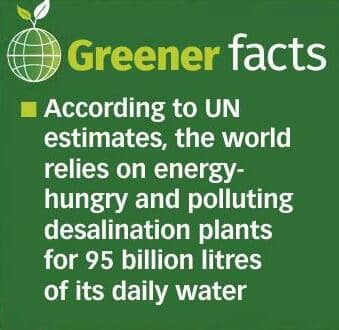
All mains tap water is also treated chemically to make it safe to drink, using energy and materials. This process costs money, passed on in our water bills. By using less tap water, we reduce chemicals released into the environment, energy used, and the cost to us all. On top of our personal use, many horticultural and landscape industries use large volumes of water to make products, from cutting stone for patios to producing glass for greenhouses.
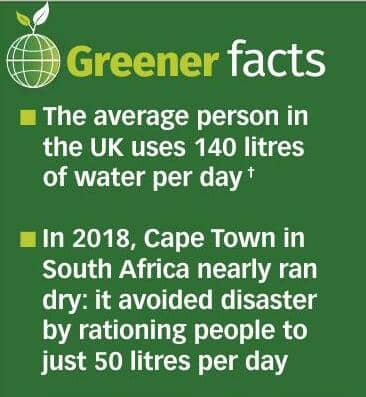


Diese Geschichte stammt aus der June 2022-Ausgabe von Gardeners World.
Abonnieren Sie Magzter GOLD, um auf Tausende kuratierter Premium-Geschichten und über 9.000 Zeitschriften und Zeitungen zuzugreifen.
Sie sind bereits Abonnent? Anmelden
WEITERE GESCHICHTEN VON Gardeners World
BBC Gardeners World
Sizzling shrubbery
The vibrant tones of azaleas and magnolias add extra pizzazz to gardens as they get into their springtime stride this month. Make the most of them with your 2 for 1 Gardens entry card and app

2 mins
April 2026

BBC Gardeners World
My gardening life
In this exclusive extract from her new book, Mary Berry writes about her love of daffodils, tulips and the promise of spring
4 mins
April 2026
BBC Gardeners World
Make a potted lily display
Plant lilies into containers to ensure that there will be plenty of colour on your patio this summer. Pots of lilies are also useful for squeezing into gaps in borders to add extra colour and fullness with their trumpet-shaped blooms.
1 mins
April 2026
BBC Gardeners World
My kitchen garden: Growing vegetables
Rich Heathcote explains successional sowing, why he likes no-dig and shares his pick of high-yield, low-maintenance crops
3 mins
April 2026
BBC Gardeners World
Take cuttings from campanula
Make new campanula plants for free while you tidy up the main plant.
1 mins
April 2026
BBC Gardeners World
Remove low stems on flowering currants
Look out for any very low-lying stems on flowering currants and cut them back to where they started.
1 min
April 2026
BBC Gardeners World
Hale and hardy
With deep gardening roots formed in childhood, Halecat Nursery specialises in hardy plants that survive and thrive in the wet Lake District climate.
3 mins
April 2026
BBC Gardeners World
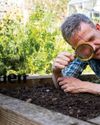
Nick's Secret garden
Did you know there's an entire ecosystem underground? In the second part of Nick Bailey's series on the secret life of your garden, he reveals why your soil is the key to growing healthy plants
3 mins
April 2026
BBC Gardeners World
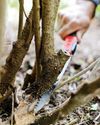
Prune out the oldest stems of forsythia
Remove a few of the oldest branches from forsythia, cutting them close to ground level, while giving the flowered stems a trim back to strong buds.
1 min
April 2026
BBC Gardeners World
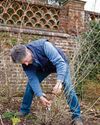
Give Russian sage a hard prune
Remove the tall old stems of Russian sage (Perovskia atriplicifolia) to encourage strong new growth.
1 min
April 2026
Translate
Change font size