Versuchen GOLD - Frei
Amazing Algae
How It Works
|Issue 111
These organisms are more than just green slime - they have shaped human history and will go on to protect our future

You can find algae almost anywhere you can find water, from magnificent giant kelp forests rising from the ocean floor to the thin green film resting on a shallow pond. Over millions of years they have evolved to survive in the most extreme environments: deep within the ice of the Arctic, around acidic ocean vents and in lava flows. Even in puddles, within the bark of trees, and inside droplets of dew on grass in the morning, microscopic algae diatoms will be thriving – they are masters of survival.
Algae have shaped life on our planet, and without them many of the species alive today wouldn’t exist. Entire ocean ecosystems rely on them as a source of food, and over half of the oxygen we breathe comes from these remarkable organisms. Algae even play a role in the formation of clouds.
Throughout human history they have sustained us through famines and provided our species with medicine and nutrition. Today, having harnessed the power of algae, we use them in everything from food and pharmaceuticals to cosmetics and fuel. They are arguably the most important organisms in the world, but could they offer us even more in the future? Around the world people are looking towards algae to provide solutions to some of our planet’s greatest challenges.
WHAT ARE ALGAE?
Algae are a genetically diverse group of over 48,000 different species. They come from a wide range of different evolutionary lineages that can’t be truly classified as animals or plants. As a result they are lumped into a group known as protists – a category for predominantly single-celled living organisms that don’t fit into any other. They are also ancient – fossil records indicate that red algae date back at least 1.6 billion years.


Diese Geschichte stammt aus der Issue 111-Ausgabe von How It Works.
Abonnieren Sie Magzter GOLD, um auf Tausende kuratierter Premium-Geschichten und über 9.000 Zeitschriften und Zeitungen zuzugreifen.
Sie sind bereits Abonnent? Anmelden
WEITERE GESCHICHTEN VON How It Works

How It Works UK
FORMULA FAST
YOUR ULTIMATE GUIDE TO FORMULA ONE RACING

1 mins
Issue 212
How It Works UK
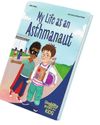
MY LIFE AS AN ASTHMANAUT
A CHILDREN'S BOOK ABOUT ASTHMA
1 min
Issue 212

How It Works UK
LYDIA LOVES BUGS
A SHORT AND SWEET STORY OF AN ENTHUSIASTIC ENTOMOLOGIST
1 min
Issue 212

How It Works UK
INSIDE A DRONE
Drones aren't just for the military any more. These flying marvels are now taking over our lives
3 mins
Issue 212
How It Works UK
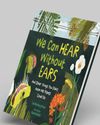
WE CAN HEAR WITHOUT EARS
AND OTHER THINGS YOU DIDN'T KNOW WE PLANTS COULD DO
1 min
Issue 212
How It Works UK
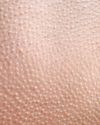
DO GEESE GET GOOSEBUMPS?
Many animals experience a similar reaction when they feel cold or scared
2 mins
Issue 212
How It Works UK
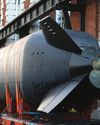
SUBMARINES WITHOUT SAILORS
Dive into the world of autonomous submarines and discover the mission that will see one sail around the world
4 mins
Issue 212
How It Works UK
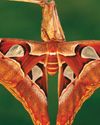
WHAT HAPPENS INSIDE A COCOON?
How certain species of insects transform from crawling caterpillars to flying moths and butterflies
3 mins
Issue 212

How It Works UK
HOW THE ROSE LOST ITS SCENT
From floral to fragranceless, there's a biological reason behind a rose's missing odour today
3 mins
Issue 212
How It Works UK
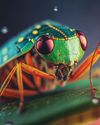
How many insects have been discovered so far?
The total number of named species is around a million.
7 mins
Issue 212
Translate
Change font size