Versuchen GOLD - Frei
Memento Mori
Archaeology
|March/April 2017
A cemetery used for centuries is an expression of the enduring relationship between the living and the dead.

One of archaeology’s paradoxes is that in order to comprehend ancient people’s lives, often the best place to look is not through the broken sherds of the pots they used to cook their family dinners, or at what may be left of their homes after hundreds or even thousands of years, but in their graves. How people are buried, the things they are buried with, and their physical remains can reveal much about those who might otherwise be lost to history. Are their graves filled with valuable items that mark them as wealthy, or with only a few small treasured possessions? Or were they interred with nothing at all and simply consigned to the earth? Did they succumb to a common disease, or were they casualties of war? Do their bones show the passage of many years, or did they die young?
Burials can also illuminate cultural circumstances and values. “People’s bodies can tell us a great deal about them as biological individuals,” says mortuary archaeologist Kate Emery of the George Eastman Museum in Rochester, “but bones also have a lot to say about them as social individuals.” The materials available, the types of coffins chosen, the inclusion of provisions for the afterlife, and even the position of the deceased’s body are testimony to economic realities and to belief systems that can be difficult to detect in the writings of ancient authors. “Excavating the dead is actually very humanizing compared to a text,” says Emery. “For the most part we don’t know anything about who they were or many details about them, so studying their bodies and what they chose—or what mourners chose—to put around them in death adds a richness to the story of the past that is missing. Text allows us to remove ourselves from people in some way, but when you are actually looking at their bodies and considering who they were, it’s very intimate.”

Diese Geschichte stammt aus der March/April 2017-Ausgabe von Archaeology.
Abonnieren Sie Magzter GOLD, um auf Tausende kuratierter Premium-Geschichten und über 9.000 Zeitschriften und Zeitungen zuzugreifen.
Sie sind bereits Abonnent? Anmelden
WEITERE GESCHICHTEN VON Archaeology
Archaeology
THE EGYPTIAN SEQUENCE
Until now, the earliest Egyptians to have even part of their DNA sequenced were three people who lived between 787 and 544 B.C.

1 mins
November/December 2025
Archaeology
SOURCE MATERIAL
As early as 40,000 years ago, some hunter-gatherers in southern Africa ventured long distances to procure special types of stone to make their tools.
1 min
November/December 2025

Archaeology
Secrets of the Seven Wonders
How archaeologists are rediscovering the ancient world's most marvelous monuments
13 mins
November/December 2025
Archaeology
ACTS OF FAITH
Evidence emerges of the day in 1562 when an infamous Spanish cleric tried to destroy Maya religion
12 mins
November/December 2025
Archaeology
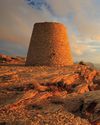
OASIS MAKERS OF ARABIA
Researchers are just beginning to understand how people thrived in the desert of Oman some 5,000 years ago
8 mins
November/December 2025
Archaeology
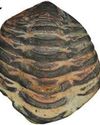
FOSSIL FORCE
One of the planet's most successful arthropods, trilobites, abounded in the oceans from about 520 million to 250 million years ago.
1 min
November/December 2025
Archaeology
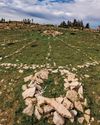
BIGHORN MEDICINE WHEEL, WYOMING
Perched almost 9,700 feet above sea level on Medicine Mountain in Wyoming's Bighorn Range, the Medicine Wheel is an 80-foot-diameter circular structure made from limestone boulders.
2 mins
November/December 2025
Archaeology
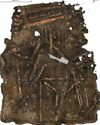
ANCIENT LOOK BOOK
A young woman buried in China's Tarim Basin some 2,000 years ago went to the afterlife accompanied by the height of fashion.
1 mins
November/December 2025
Archaeology
A FAMILIAR FACE
In the early eleventh century, a landslide on the island of Ostrów Lednicki in western Poland caused a hillfort to collapse and slip to the bottom of Lake Lednica.
1 min
November/December 2025
Archaeology
Temples to Tradition
A looted cache of bronzes compels archaeologists to explore Celtic sanctuaries across Burgundy
13 mins
November/December 2025
Translate
Change font size