
Mit Magzter GOLD unbegrenztes Potenzial nutzen
Erhalten Sie unbegrenzten Zugriff auf über 9.000 Zeitschriften, Zeitungen und Premium-Artikel für nur
Versuchen GOLD - Frei
Looks Like Rain
The New Yorker
|July 1, 2019
How weather forecasting got good.

At four-fifteen on the morning of June 4, 1944, Group Captain James Martin Stagg, a meteorologist for the British military, arrived at the library of a grand manor house on the southern coast of England. On the other side of the room was General Dwight D. Eisenhower, the supreme commander of the Allied Forces—the man Stagg needed to convince that D Day should be postponed.
The conditions for the launch had to be just so: a full moon for visibility, low tides to expose the underwater German defenses. That left a narrow window of just three days in June, and June 5th was the date the generals had settled on. But the Allies’ warships and aircraftwould also need calm seas and clear skies, and here Stagg and his team had foreseen a problem.
Even though the skies outside promised a bright morning, the meteorologists calculated that a parade of storms was poised to barrel across the Atlantic, hampering the prospects of success. The generals were wary of any Meteorology is so ubiquitous that it is easy to overlook its monumental achievement: the power to predict the future. delay, but Eisenhower reluctantly agreed to hold off.
A few hours later, Stagg had better news. Allied weather stations were reporting a ridge of high pressure that would reach the beaches of Normandy on June 6th. The weather wouldn’t be ideal, but it would be good enough to proceed. Eisenhower gave the order to reschedule the invasion.
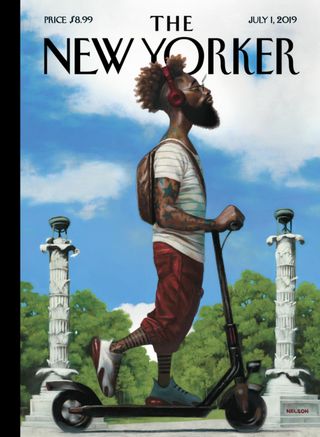

Diese Geschichte stammt aus der July 1, 2019-Ausgabe von The New Yorker.
Abonnieren Sie Magzter GOLD, um auf Tausende kuratierter Premium-Geschichten und über 9.000 Zeitschriften und Zeitungen zuzugreifen.
Sie sind bereits Abonnent? Anmelden
WEITERE GESCHICHTEN VON The New Yorker

The New Yorker
HOW SHOULD A MOTHER BE?
We keep revising the maternal ideal—and keep falling short of it.

11 mins
January 26, 2026

The New Yorker
THE VERMONTER
What happened when Bernie Sanders left Brooklyn for Burlington.
16 mins
January 26, 2026

The New Yorker
BREAKING NEWS
Inside Bari Weiss's hostile takeover at CBS.
37 mins
January 26, 2026

The New Yorker
SCHOOL OF FISH
On the water with a Southern California seafood savant.
7 mins
January 26, 2026

The New Yorker
COLD COMFORT
The wintry triumphs of Helene Schjerfbeck.
6 mins
January 26, 2026

The New Yorker
WON'T BACK DOWN
The stubborn songs of Zach Bryan.
6 mins
January 26, 2026
The New Yorker
POWER AND PROTEST
On January 8th, the twelfth day of mass protests in Iran, which began when shopkeepers, responding to runaway inflation, closed Tehran’s Grand Bazaar, the Iranian government shut down public access to the internet, further shrouding an already largely closed society. Nevertheless, isolated images and details have been smuggled out, giving a hint of how brutal and monumental these events are.
4 mins
January 26, 2026
The New Yorker
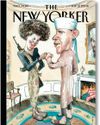
Vinson Cunningham on Barry Blitt's "The Politics of Fear"
I was in a yellow cab in high summer when I saw it. Twenty-three at the time, I sometimes skimmed articles about politics on my clunky BlackBerry while cruising through Central Park to my first real job, fundraising for Barack Obama’s 2008 Presidential campaign. Usually, the ride was placid.
2 mins
January 26, 2026

The New Yorker
SHOW OF FORCE
After a chaotic visit to an ICE jail, a congresswoman faces felony charges in Trump's war against his critics.
37 mins
January 26, 2026

The New Yorker
THE ICE CURTAIN
Nome, Alaska, seems farther from Russia than ever.
26 mins
January 26, 2026
Translate
Change font size