
Mit Magzter GOLD unbegrenztes Potenzial nutzen
Erhalten Sie unbegrenzten Zugriff auf über 9.000 Zeitschriften, Zeitungen und Premium-Artikel für nur
Versuchen GOLD - Frei
How We Did It - Luke's Lobster
Inc.
|March - April 2019
Luke Holden and Ben Conniff started a small chain of simple lobster shacks. Then they started thinking much bigger.

Step into one of the 39 Luke’s Lobster locations from New York City to Taiwan and it’s easy to pretend you’re visiting a classic New England seafood shack: Diners order at simple wooden counters, sit at rough-hewn tables, and munch on a limited (and exceedingly tasty) menu of lobster, crab, and shrimp rolls and chowders, accompanied by simple bags of potato chips. But the Saco, Maine– and Brooklyn-based company’s restaurants are actually the last step in an extensive, tightly integrated seabed-totable operation—one that nearly broke the founders, Luke Holden and Ben Conniff, when they first attempted to set it up.
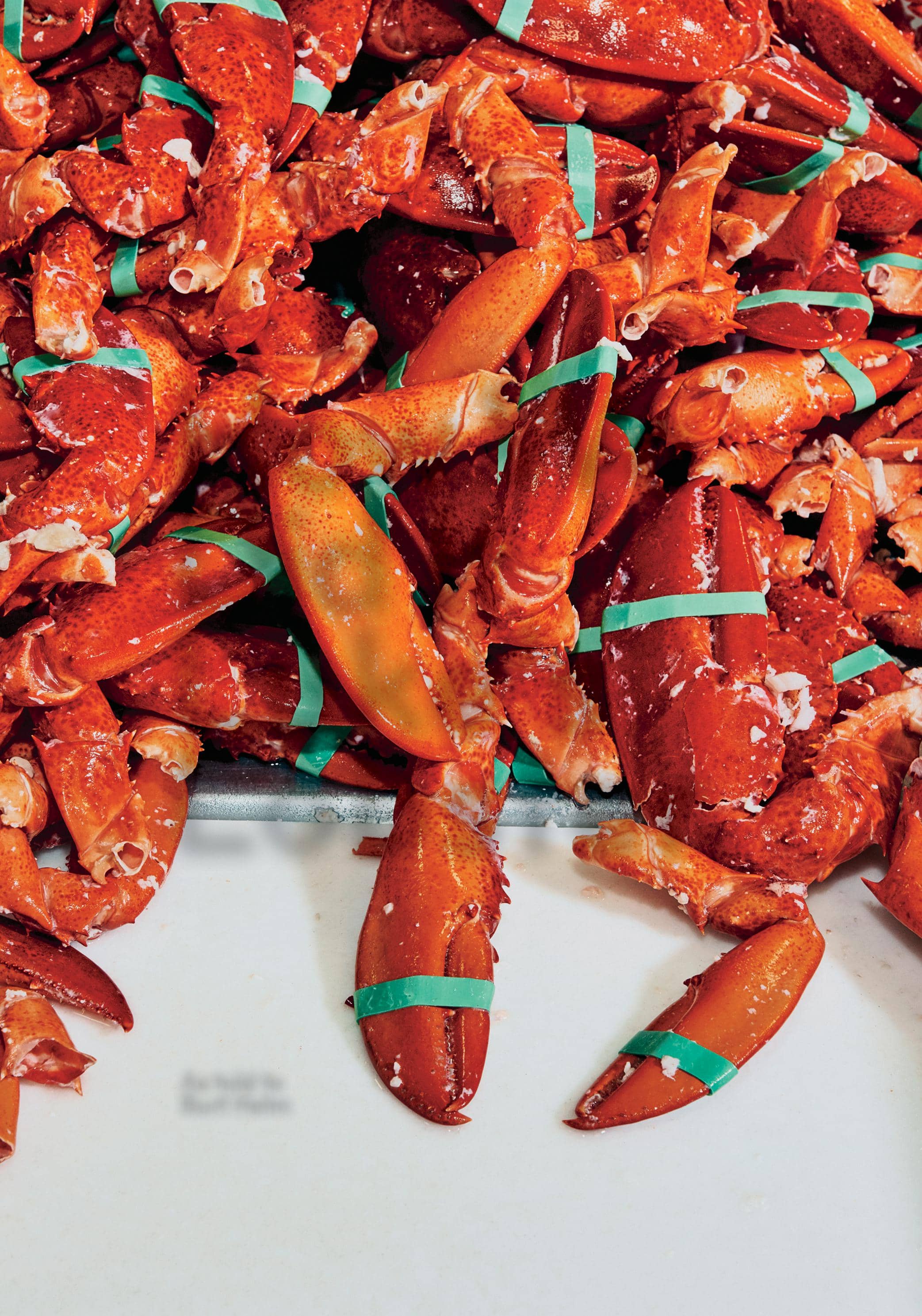
Luke When I was growing up, my father owned and ran one of the largest lobster processors in North America. It was an intense, high-risk business with very low margins. He was doing $20 million in sales, and taking home maybe $50,000 or $100,000 in income.
Ben A lobster-processing plant is basically an input-output machine. Your input is live lobsters, your output is lobster meat: frozen raw tails, cooked and pulverized bodies for bisques, and knuckle and claw meat that is cooked, picked, and packed and used for rolls and chowders. And the shells get crushed up and sold as fertilizer. You try to use everything, antennae to tail.
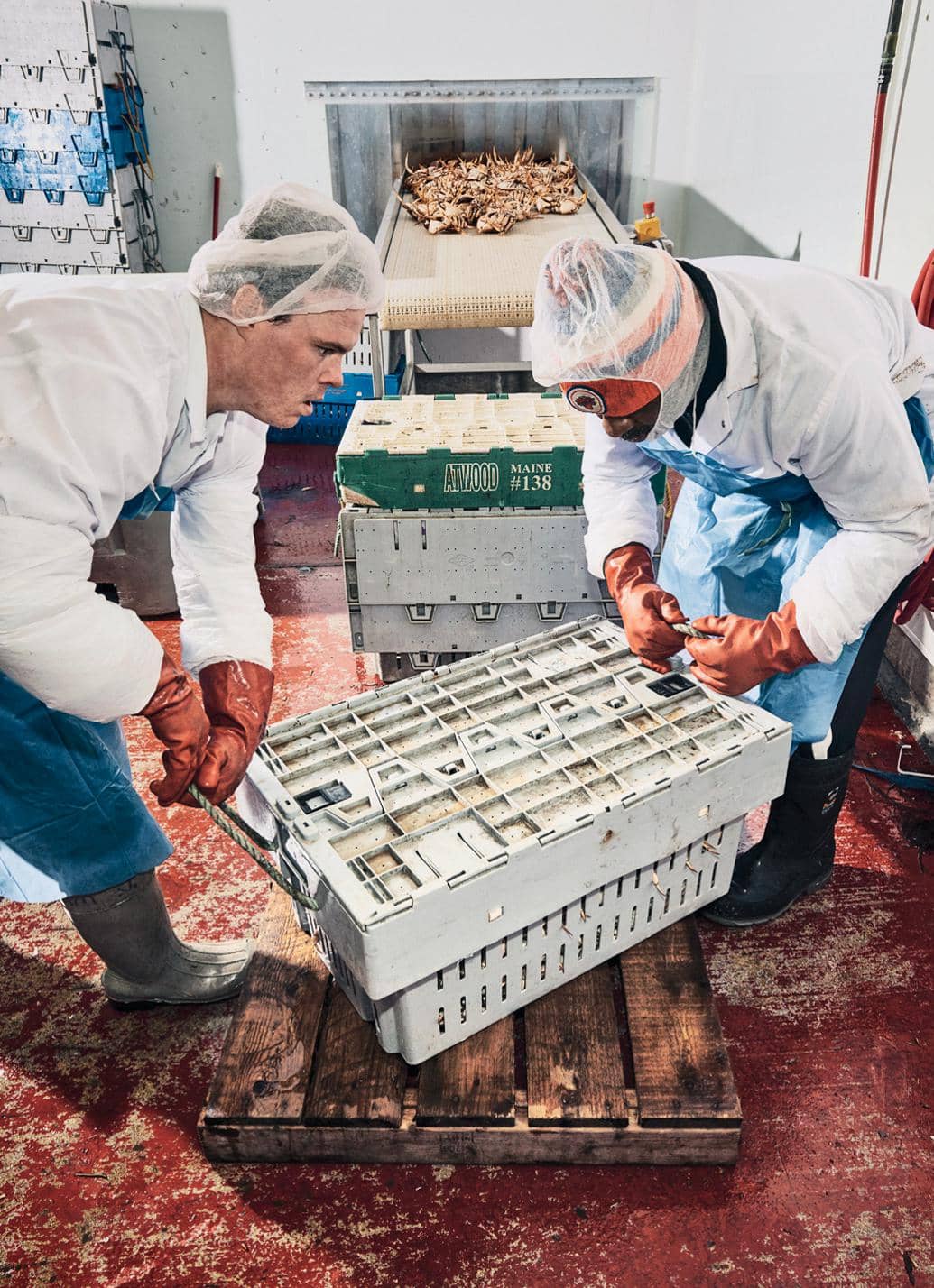
Luke In 2009, we opened the first Luke’s Lobster shack in New York City for $35,000. I felt I’d pulled a rabbit out of a hat. It was popular right away—and it was much easier than processing. My family decided to sell that business, and then helped me focus on new Luke’s locations.

Diese Geschichte stammt aus der March - April 2019-Ausgabe von Inc..
Abonnieren Sie Magzter GOLD, um auf Tausende kuratierter Premium-Geschichten und über 9.000 Zeitschriften und Zeitungen zuzugreifen.
Sie sind bereits Abonnent? Anmelden
WEITERE GESCHICHTEN VON Inc.

Inc.
USE AI TO IMPROVE YOUR ONBOARDING PROCESS
According to some estimates, organizations have just 44 days to persuade employees to stick around for the long haul.

2 mins
Spring 2026

Inc.
WHAT TO KNOW ABOUT GEO
GEO, AIO, SEO—the initialism to describe this new marketing era is still up for debate.
3 mins
Spring 2026

Inc.
CLAY NATION
HOW LEAD-GENERATION SOFTWARE FIRM CLAY BUILT A $5 BILLION COMPANY SELLING SAAS WITH A SOUL.
12 mins
Spring 2026

Inc.
DON'T BET AGAINST HER
CULTIVATING MAJOR INVESTORS, CREATING A SCALABLE TECH PLATFORM, LOBBYING REGULATORS: KALSHI'S LUANA LOPES LARA WANTS TO FINANCIALIZE ALL ASPECTS OF LIFE.
11 mins
Spring 2026

Inc.
Karen Dillon
The right way and the wrong way to prepare your kids to run your company someday.
3 mins
Spring 2026

Inc.
HOW TO SECURE DEBT FINANCING
For business owners who don't want to trade equity for funding, debt can be a smart (but sometimes expensive) alternative to venture capital.
2 mins
Spring 2026

Inc.
NEW TO CONSULTING? HERE'S WHAT TO CHARGE
The growing number of corporate layoffs is giving rise to a consulting boom, powered by experienced professionals frustrated by the lack of opportunities or eager to strike out on their own.
1 mins
Spring 2026

Inc.
AGENT OF CHANGE
MEET MAY HABIB, AN UNDER-THE-RADAR VISIONARY WHO QUIETLY BUILT THE GOLD STANDARD FOR ENTERPRISE AI, AND A CLIENT LIST THAT'S THE ENVY OF SILICON VALLEY.
8 mins
Spring 2026

Inc.
Managing people has never been Weirder.Here are the new rules to get it right
From remote work to AI to the habits of Gen-Z, the workplace is changing fast. To help you navigate it all, Inc.'s Ask a Manager columnist, Alison Green, shares her wisdom on how to be an effective leader in 2026 and beyond.
21 mins
Spring 2026

Inc.
Lighting the way
Many companies aspire to bring manufacturing back to the United States. With one of the largest collections of 3D printers in the world, Ian Yang's Gantri just might pull it off.
10 mins
Spring 2026
Translate
Change font size