
Mit Magzter GOLD unbegrenztes Potenzial nutzen
Erhalten Sie unbegrenzten Zugriff auf über 9.000 Zeitschriften, Zeitungen und Premium-Artikel für nur
THE PICTURE PIONEERS
BBC Wildlife
|Spring 2022
Without today's cameras to rely on the first wildlife photographers had to be part-madcap inventor, part-daredevil to get the shots that would make their names

WILDLIFE PHOTOGRAPHY is peppered with mavericks whose efforts and innovations laid the foundations for the diverse, exciting genre that exists today. We're so accustomed to seeing incredible photographs of wild animals now that we rarely bat an eyelid at charismatic portraits of rare species. But wildlife photography wasn't always as ubiquitous as it is today, neither was it always as easy to photograph animals in the wild.
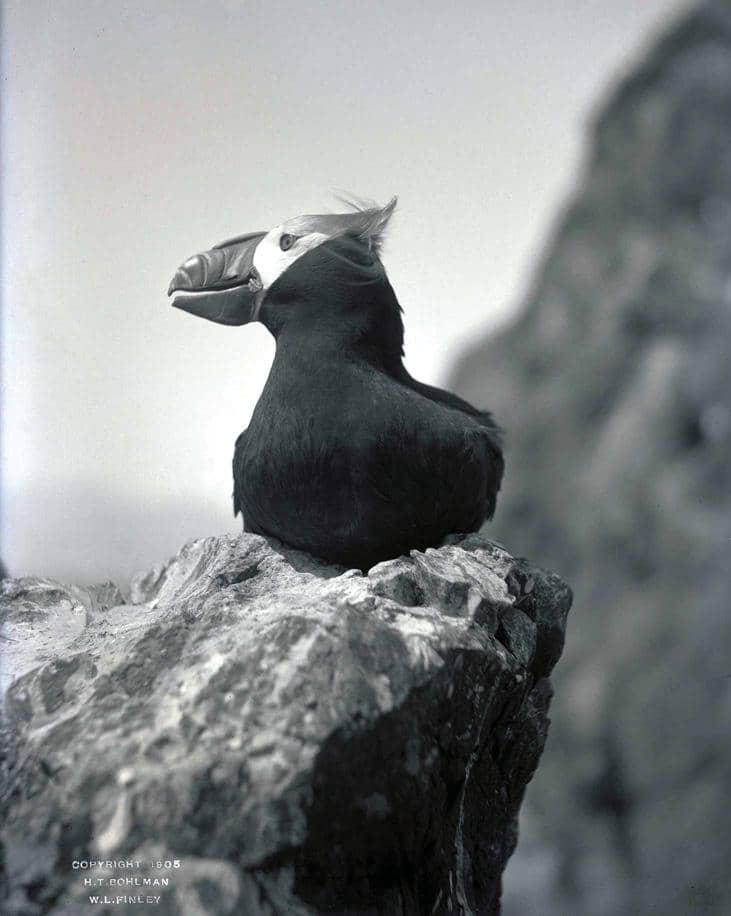
It began with photography enthusiasts of the mid-to-late 19th century. Early subjects of theirs included big game killed on safari or animals in zoos, since dead or caged animals were easier to photograph than animals in the wild, which tended to be difficult to find and fast moving. Birds on their nests were another favourite because they stayed relatively still.
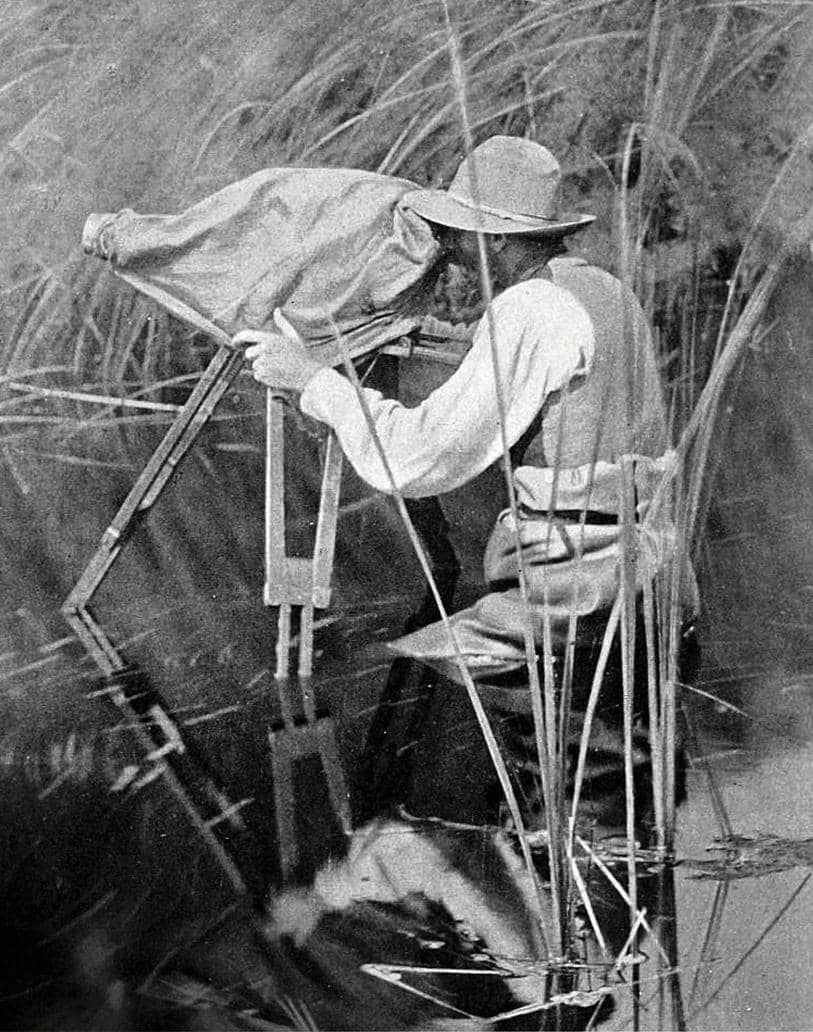
As photographic technology evolved in the decades around the turn of the century, wildlife photographs became not just easier to take, but also more creative. Leading the way in those years were the Kearton brothers, Richard and Cherry. The pair grew up in North Yorkshire and became famous for their innovative and sometimes bizarre methods of photographing birds, which involved climbing ladders tied to the highest tree branches and hanging off cliffs. Richard, a trailblazer in the creation of portable photographic hides, was behind the infamous taxidermy ox hide, which, on one occasion, toppled over after he fainted inside it. In 1892, the brothers took the first photograph of birds' eggs in a nest, and in 1895, produced the first natural history book illustrated with photographs: British Birds' Nests: How, Where and When to Find and Identify Them.

Diese Geschichte stammt aus der Spring 2022-Ausgabe von BBC Wildlife.
Abonnieren Sie Magzter GOLD, um auf Tausende kuratierter Premium-Geschichten und über 9.000 Zeitschriften und Zeitungen zuzugreifen.
Sie sind bereits Abonnent? Anmelden
WEITERE GESCHICHTEN VON BBC Wildlife
BBC Wildlife
"I was terrified the elephant would ram us"
African elephant in Kenya

2 mins
January 2026
BBC Wildlife
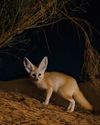
ALL YOU EVER NEEDED TO KNOW ABOUT THE Fennec fox
THE FENNEC FOX IS THE SMALLEST fox in the world, with a body length that can be as little as 24cm.
3 mins
January 2026
BBC Wildlife
INTO THE PLASTISPHERE
A unique synthetic ecosystem is evolving in our oceans – welcome to the plastisphere
7 mins
January 2026
BBC Wildlife
“More than half of all animal life exists in a parasitic relationship, and all life lives in symbiosis”
Our survival depends on species evolving to live together - but some relationships take dark turns
7 mins
January 2026
BBC Wildlife
Are animals able to dream?
SLEEP IS A MYSTERIOUS THING. FOR A long time, we weren't sure why we do it.
1 mins
January 2026
BBC Wildlife
Does a cuckoo know it's a cuckoo?
ABSURD LITTLE BIRDS ACROSS THE world lay their eggs in the nests of other species, leaving the hapless parents to raise a changeling at the expense of their own offspring.
2 mins
January 2026
BBC Wildlife
Orcas killing young sharks
Juvenile great whites are easy prey for orca pod
1 mins
January 2026
BBC Wildlife
Ocean goes on tour
Acclaimed film touring the UK, backed by live orchestra and choir
1 min
January 2026
BBC Wildlife
Feisty bats hunt like lions
Winged mammals use a 'hang and wait' strategy to take down large prey
1 mins
January 2026
BBC Wildlife
SNAP-CHAT
Richard Birchett on magical merlins, wily coyotes and charging deer
2 mins
January 2026
Translate
Change font size