يحاول ذهب - حر
Should people learn to love wasps?
Issue 65
|The Week Junior Science+Nature UK
Some people think that these pesky insects deserve to be treated more kindly.
-
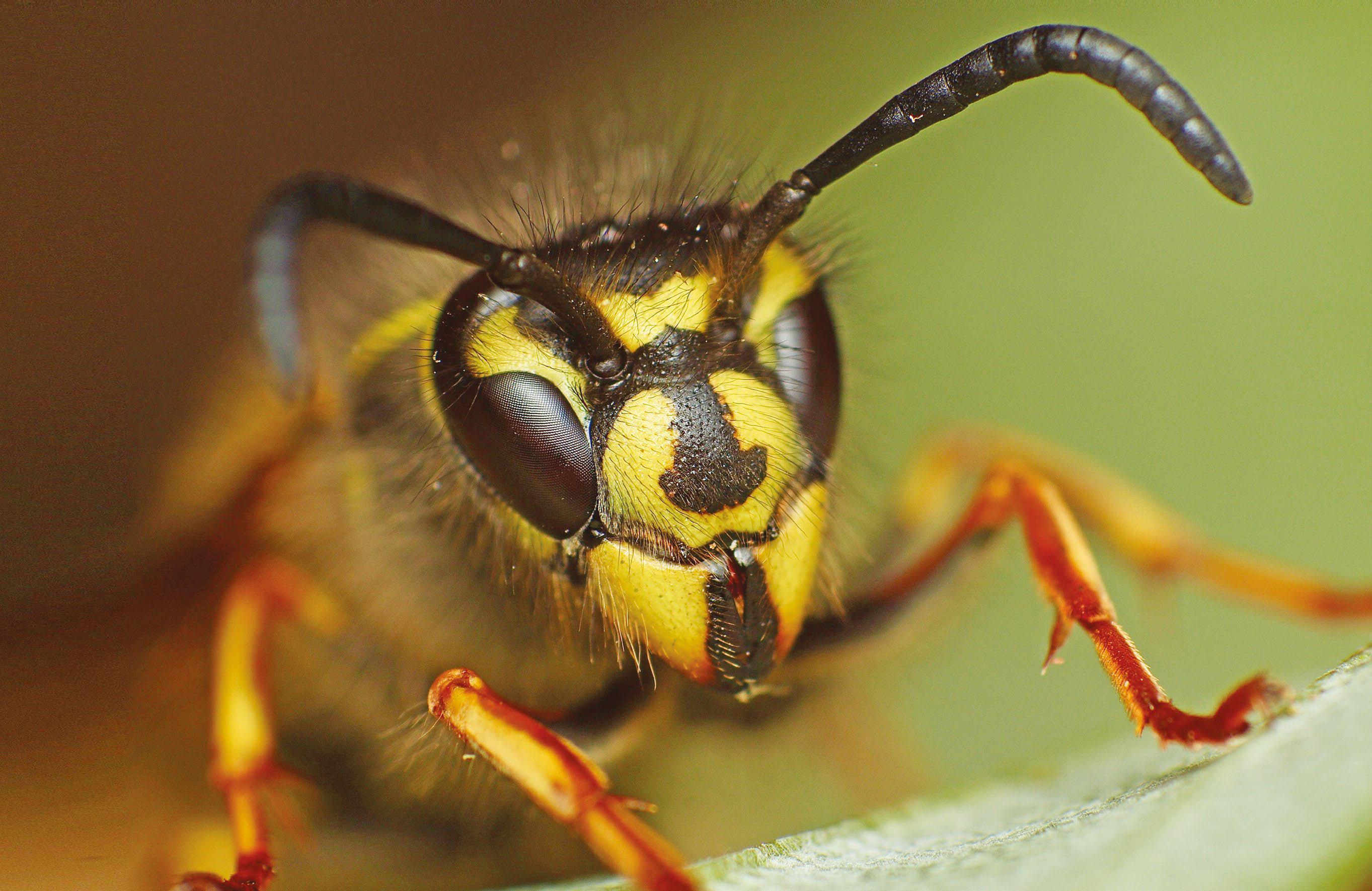
Summer is the perfect season to have a picnic. Sitting on the grass with sandwiches, fruit and cake feels like an ideal way to spend the day. However, that joy can quickly be shattered by the arrival of a wasp. These annoying buzzy insects have a terrible reputation.
The same can’t be said for their honey-making relatives. Bees are seen by many as cute and cuddly, and humans are very keen to protect them. If someone spots a tired bee on the floor, they might give it a little bit of sugar and water to help it get moving again. While bees have developed a positive public image, wasps are seen as much more aggressive and scary. But are wasps really as bad as people think?
Many people don’t realise it, but wasps can play a very important role as local pest controllers. In fact, each summer, wasps in the UK catch an estimated 14 million kilograms of insect prey, like caterpillars, spiders and aphids. This is important for protecting plants in people’s gardens, which could otherwise be infested with bugs. Adult wasps don’t eat the insects that they kill. Instead, they capture bugs and take them back to their nest for their young to feed on.

هذه القصة من طبعة Issue 65 من The Week Junior Science+Nature UK.
اشترك في Magzter GOLD للوصول إلى آلاف القصص المتميزة المنسقة، وأكثر من 9000 مجلة وصحيفة.
هل أنت مشترك بالفعل؟ تسجيل الدخول
المزيد من القصص من The Week Junior Science+Nature UK
The Week Junior Science+Nature UK
ANIMAL ISLANDS
Hop aboard as Daisy Dobrijevic sets sail to discover the world's most unusual beasts.

5 mins
March 2026
The Week Junior Science+Nature UK
Wildlife watch
Take a walk on the wild side with Jenny Ackland.
1 mins
March 2026

The Week Junior Science+Nature UK
Pushmeet Kohli
Meet the tech genius who trains the smart computers that are changing your world.
3 mins
March 2026

The Week Junior Science+Nature UK
New map reveals secrets hidden under Antarctic ice
A new map of Antarctica has A revealed thousands of hills Are revealed thousands of hills and valleys buried under its thick layers of ice.
1 min
March 2026

The Week Junior Science+Nature UK
Why do dolphins jump out of the water?
Discover what makes these graceful ocean mammals leap for joy.
2 mins
March 2026
The Week Junior Science+Nature UK
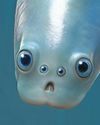
Ancient fish had four eves
Ancient vertebrates (animals that have backbones) had four eyes that worked a lot like ours, new research shows.
1 min
March 2026
The Week Junior Science+Nature UK
How? What? Why?
Set your curiosity free as Mike Rampton explains how asking questions changes the world.
5 mins
March 2026

The Week Junior Science+Nature UK
Bye-bye bitter grapefruits
Scientists have found a way to make grapefruits less bitter.
1 min
March 2026
The Week Junior Science+Nature UK
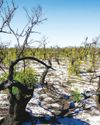
Spreading seeds of hope
Meet the scientists who are using drones to seed lost landscapes.
1 mins
March 2026
The Week Junior Science+Nature UK
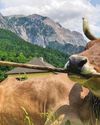
Udderly brilliant cow seen using tools
A talented Austrian cow has shecked researchers by using both ends of a broom as a grooming tool.
1 min
March 2026
Translate
Change font size