
استمتع بـUnlimited مع Magzter GOLD
احصل على وصول غير محدود إلى أكثر من 9000 مجلة وصحيفة وقصة مميزة مقابل
يحاول ذهب - حر
GROWING UP WILD
Issue 61
|The Week Junior Science+Nature UK
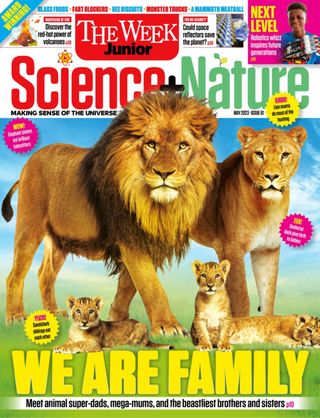
Meet the world’s wildest parents and beastliest brothers and sisters, as we find out what family means in the animal kingdom.
-

Do you sometimes think your family is pretty weird? Well, whatever odd things your folks do, it’s nothing compared to the strange things animals get up to. Human families come in all shapes and sizes, with different personalities, quirks and traditions that make them unique – and it’s no different for wildlife. From small spiders to mighty mammals, animal families are as diverse as the species themselves. Some beasts are caring and look out for each other, forming bonds that last a lifetime, while others ditch their young, leaving the little ones to fend for themselves. Let’s find out which families you’d love to be a part of, and which ones would make terrible mums, dads and siblings.
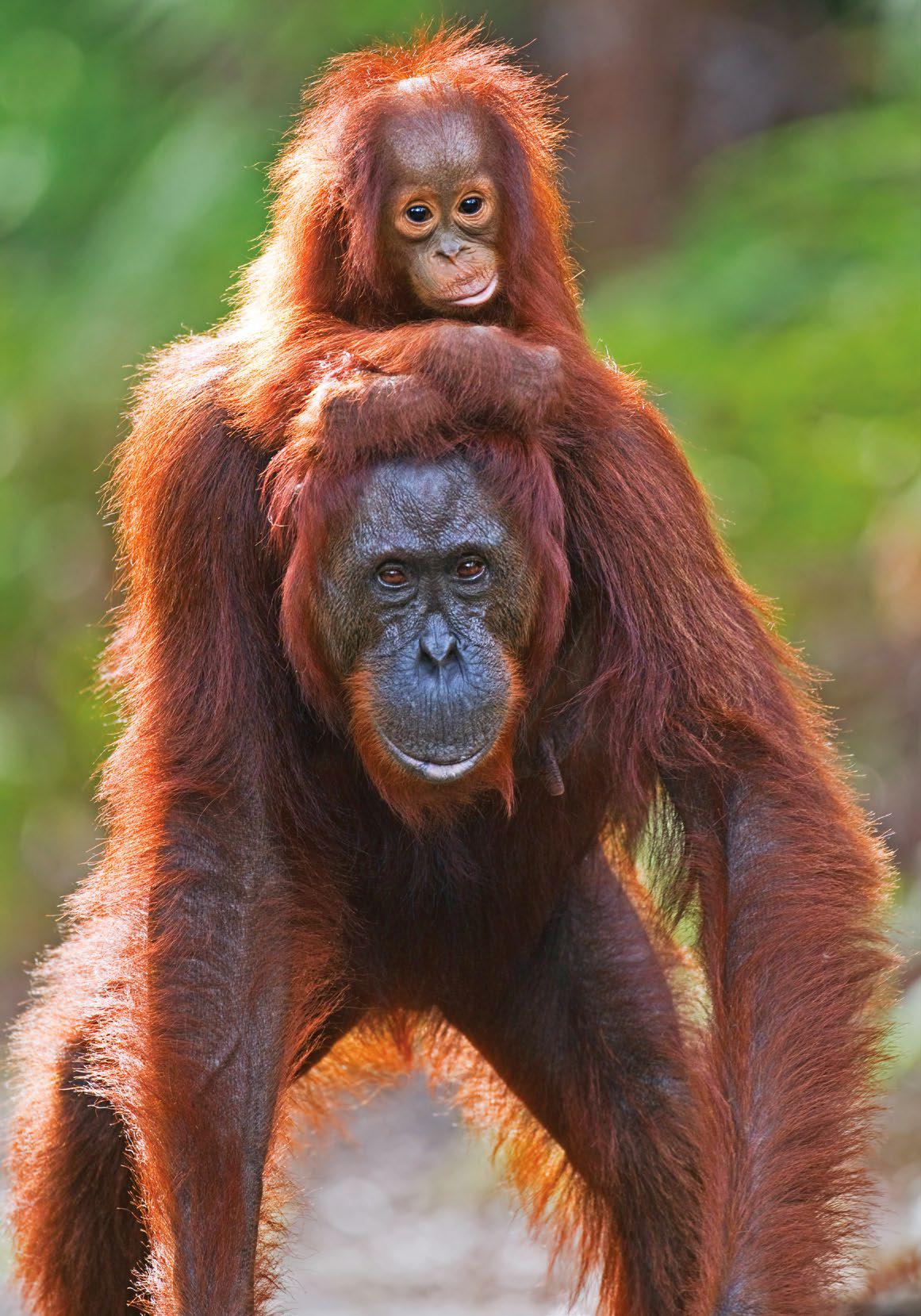
Family matters
Many animals live in groups, from prides of lions and troops of monkeys to pods of orcas or packs of wolves. There are solo parents, too. Cheetah mums raise their cubs completely on their own. Many reptiles, such as snakes and lizards, abandon their babies as soon as they are born.
Living in groups seems to be the most common form of relationship in the wild and there are obvious advantages to it. Groups of animals can share information, protect each other from predators, and also enjoy greater success in finding food. One thing is certain – different family groupings function in wildly different ways.

هذه القصة من طبعة Issue 61 من The Week Junior Science+Nature UK.
اشترك في Magzter GOLD للوصول إلى آلاف القصص المتميزة المنسقة، وأكثر من 9000 مجلة وصحيفة.
هل أنت مشترك بالفعل؟ تسجيل الدخول
المزيد من القصص من The Week Junior Science+Nature UK
The Week Junior Science+Nature UK
ANIMAL ISLANDS
Hop aboard as Daisy Dobrijevic sets sail to discover the world's most unusual beasts.

5 mins
March 2026
The Week Junior Science+Nature UK
Wildlife watch
Take a walk on the wild side with Jenny Ackland.
1 mins
March 2026

The Week Junior Science+Nature UK
Pushmeet Kohli
Meet the tech genius who trains the smart computers that are changing your world.
3 mins
March 2026
The Week Junior Science+Nature UK
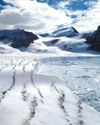
New map reveals secrets hidden under Antarctic ice
A new map of Antarctica has A revealed thousands of hills Are revealed thousands of hills and valleys buried under its thick layers of ice.
1 min
March 2026
The Week Junior Science+Nature UK
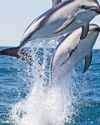
Why do dolphins jump out of the water?
Discover what makes these graceful ocean mammals leap for joy.
2 mins
March 2026
The Week Junior Science+Nature UK
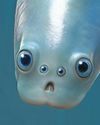
Ancient fish had four eves
Ancient vertebrates (animals that have backbones) had four eyes that worked a lot like ours, new research shows.
1 min
March 2026
The Week Junior Science+Nature UK
How? What? Why?
Set your curiosity free as Mike Rampton explains how asking questions changes the world.
5 mins
March 2026

The Week Junior Science+Nature UK
Bye-bye bitter grapefruits
Scientists have found a way to make grapefruits less bitter.
1 min
March 2026
The Week Junior Science+Nature UK
Spreading seeds of hope
Meet the scientists who are using drones to seed lost landscapes.
1 mins
March 2026
The Week Junior Science+Nature UK
Udderly brilliant cow seen using tools
A talented Austrian cow has shecked researchers by using both ends of a broom as a grooming tool.
1 min
March 2026
Translate
Change font size