يحاول ذهب - حر
The marvel of migration: behaviour and mechanisms in animals
March-April 2025
|Scientific India
Migration is one of the most fascinating phenomena in the natural world.
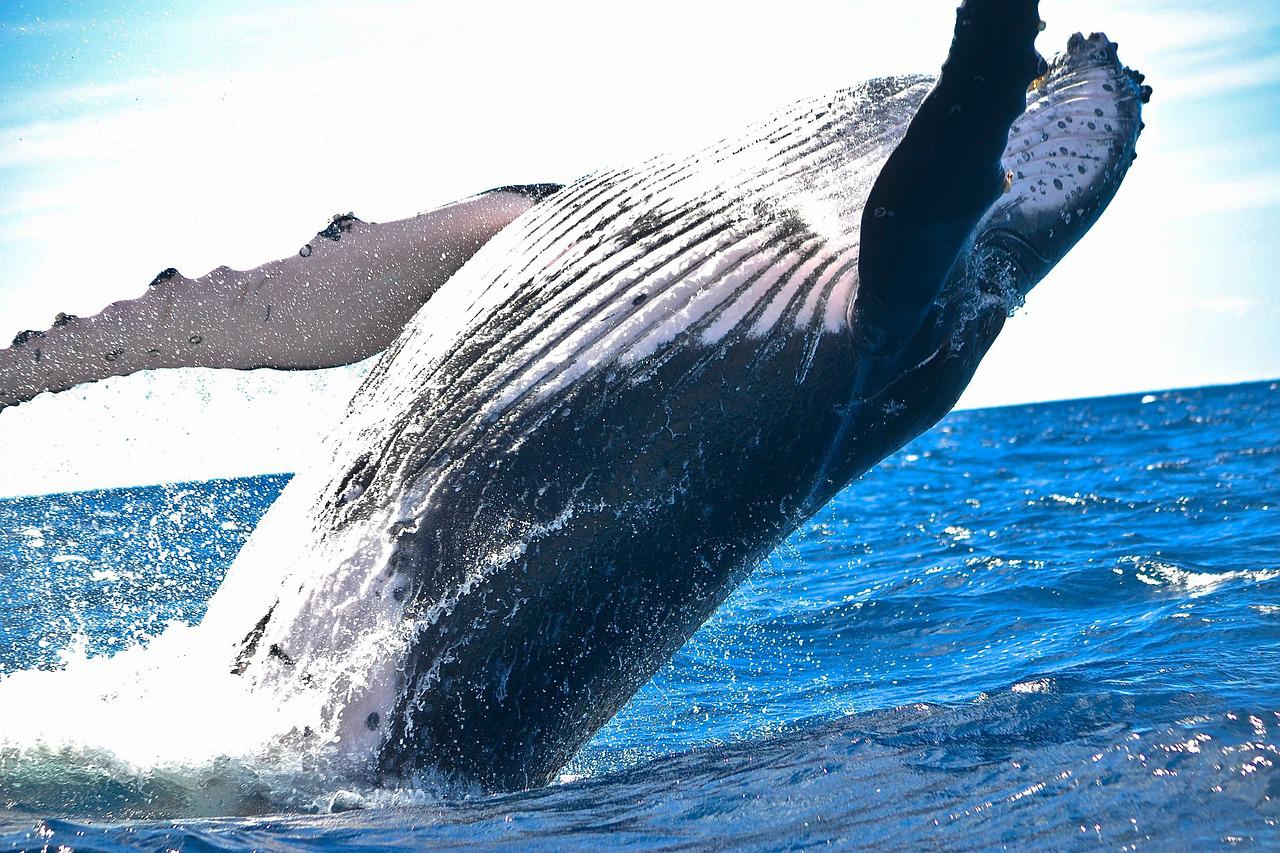
Every year, billions of creatures embark on incredible trips, frequently covering great distances in search of better resources, breeding areas, or pleasant temperatures. From microscopic insects to enormous mammals, migration demonstrates nature's inventiveness and tenacity.
Why do animals migrate?
Migration is often motivated by three major factors including animals migrate to avoid adverse environmental circumstances, such as severe winters or dry seasons. Many species migrate to specific breeding grounds that provide ideal conditions for raising their offspring. Seasonal variations frequently impact the availability of food resources, causing animals to seek out better feeding grounds.
Mechanisms behind migration
Migratory journeys are not random. Animals use instinct, contextual signals, and physiological adaptations to navigate their surroundings. Here are some important mechanisms:
Celestial Navigation:
Many migratory birds, such the Arctic tern, use the sun, stars, and even the moon to orient themselves. According to studies, birds have an internal clock that allows them to adjust to variations in time and light.
Magnetic Fields:
Some animals, such as sea turtles and monarch butterflies, have a magnetic sense. This enables them to sense the Earth's magnetic field and use it as a natural compass.
Landmarks:
To guide their migration, animals such as grey whales and some bird species use recognisable geographical landmarks such as coasts, mountain ranges, and river systems.
Chemical Cues:
Salmon are well-known for their capacity to return to their home rivers to spawn. They use their keen sense of smell to detect certain chemical signatures in the water.
Weather Patterns:

هذه القصة من طبعة March-April 2025 من Scientific India.
اشترك في Magzter GOLD للوصول إلى آلاف القصص المتميزة المنسقة، وأكثر من 9000 مجلة وصحيفة.
هل أنت مشترك بالفعل؟ تسجيل الدخول
المزيد من القصص من Scientific India

Scientific India
Astronomers discover dying stars eating their planets
Anew study from astronomers at UCL (University College London) and the University of Warwick suggests that aging stars may be destroying the giant planets orbiting closest to them.

1 mins
November-December 2025

Scientific India
The Gut-Brain Connection: How Our Second Brain May Hold the Key to Preventing Neurodegeneration
For decades, the prevailing narrative of neurodegenerative diseases like Alzheimer's and Parkinson's was centred around isolated confinement within the brain.
4 mins
November-December 2025

Scientific India
Active and Intelligent Bioplastic Packaging: Materials, Benefits, Applications, Challenges, and Future Prospects
Bioplastic-based active and intelligent packaging represents one of the most transformative innovations in modern food preservation.
2 mins
November-December 2025

Scientific India
Gut Microbes and Yoga: The Hidden Harmony for Healthy Aging and Well-Being
The human gut is home to trillions of microorganisms, including bacteria, viruses, fungi, and archaea. In fact, the number of microbial cells in your body might outnumber your human cells by about 10 to 1! About 70% of your immune system is located in your gut. Your gut microbes help train your immune system to differentiate between harmful invaders and harmless substances, thus playing a big role in preventing autoimmune diseases. Just like a rainforest, the gut microbiota is a diverse and complex ecosystem. A healthy gut has a balanced mix of different types of microbes, which can help prevent the overgrowth of harmful bacteria.
6 mins
November-December 2025

Scientific India
Market Trends and Future Prospects of Bioplastics in the Global Packaging Industry
Across retail shelves, e-commerce parcels, and ready-to-eat food containers, packaging is undergoing one of the most rapid material transitions of the 21st century.
5 mins
November-December 2025

Scientific India
From Waste to Harvest: The Power of Human Urine as an Eco-Friendly Fertilizer
As the global population continues to grow, so too does the demand for food.
4 mins
November-December 2025

Scientific India
Sugar-free sweeteners may still be harming your liver
Sweeteners such as aspartame, found in Equal packets, sucralose (Splenda), and sugar alcohols are widely promoted as healthier options than foods made with refined sugar (glucose).
2 mins
November-December 2025

Scientific India
Colon cancer is surging in younger adults and doctors are alarmed
Colorectal cancer has long been viewed as a condition that primarily affects older adults.
3 mins
November-December 2025

Scientific India
How Eating Your Vitamin C Builds Healthier Skin From Within
For decades, the skincare aisle has promised younger-looking skin from the outside in, with vitamin C serums occupying a prized place on the shelf.
1 mins
November-December 2025

Scientific India
A Simple Blood Test Could Transform Alzheimer's Diagnosis
For decades, diagnosing Alzheimer's disease has relied heavily on memory tests, clinical judgment, and a long wait for symptoms to become unmistakable. Now, a groundbreaking blood test being rolled out across the UK could dramatically change that narrative bringing earlier, more accurate diagnosis within reach of routine healthcare.
2 mins
November-December 2025
Listen
Translate
Change font size