يحاول ذهب - حر
THE PIVOT TO PLASTIC
December 2025
|Scientific American
To keep profits rolling in, oil and gas companies want to turn fossil fuels into a mounting pile of packaging and other products
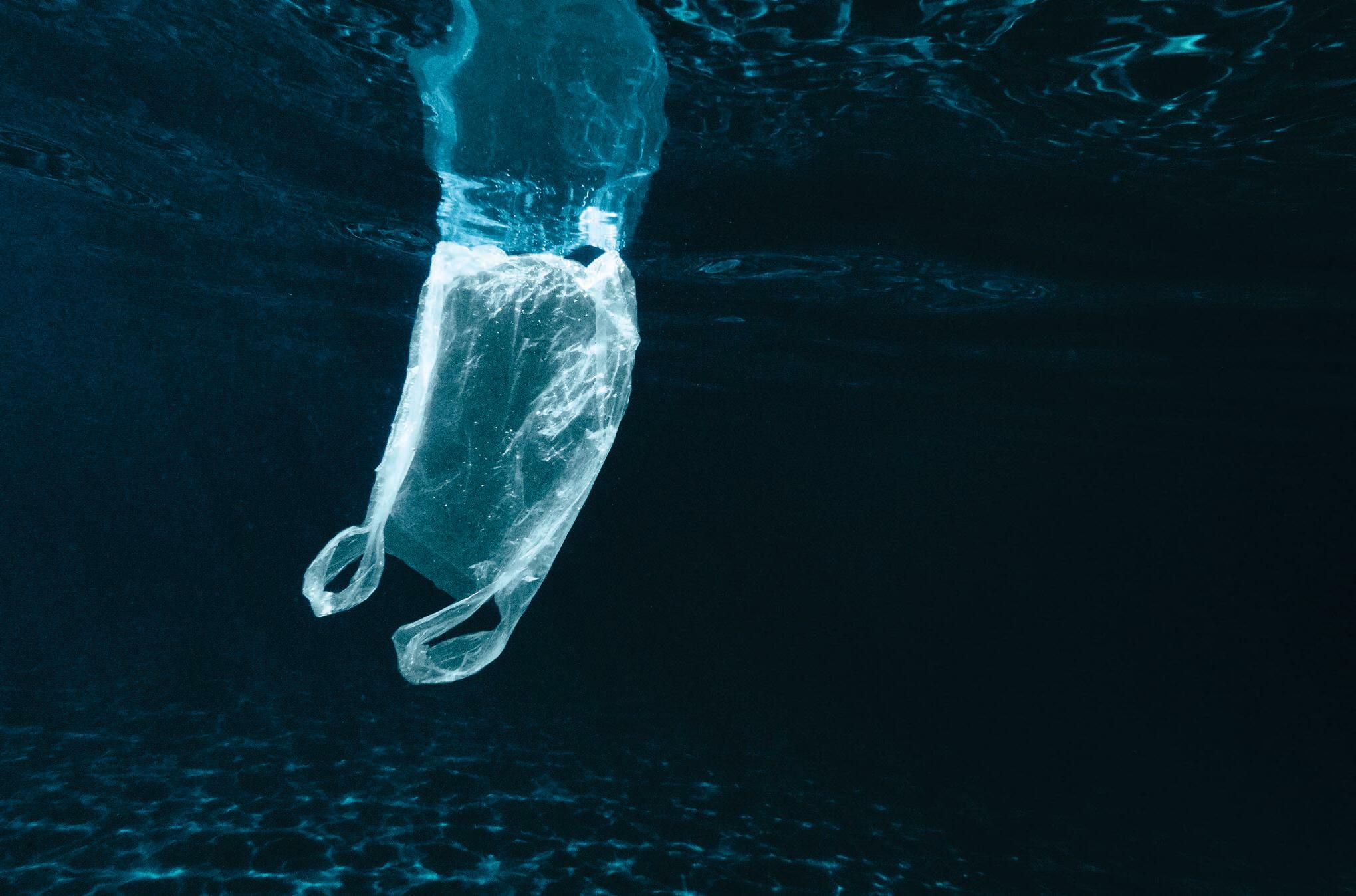
IN 2018, AT A DUBAI RESORT next to the blue-green waters of the Persian Gulf, Amin Nasser, CEO of Saudi Aramco, stood before an audience of hundreds of petrochemical executives to set out his vision for the future of the world's largest oil company. The goals he described weren't primarily about energy. Instead he announced plans to pour $100 billion into expanding production of plastic and other petrochemicals.
Nasser predicted that with a growing global population wielding more purchasing power every year, petrochemicals—compounds derived from petroleum and other fossil fuels and of which plastics and their ingredients constitute as much as 80 percent—would drive nearly half of oil-demand growth by mid-century. About 98 percent of virgin plastics are made from fossil fuels. In sectors that include packaging, cars and construction, he said, “the tremendous growth in chemicals demand provides us with a fantastic window of opportunity.”
In the years since Nasser’s 2018 speech, Saudi Aramco, owned mainly by the government of Saudi Arabia, has acquired a majority stake in the country’s petrochemical conglomerate SABIC. Together the companies have bought into huge Chinese plastic projects and built petrochemical plants from South Korea to the Texas coast. Aramco aims to turn more than a third of its crude into petrochemicals by the 2030s—a near tripling in 15 years.

هذه القصة من طبعة December 2025 من Scientific American.
اشترك في Magzter GOLD للوصول إلى آلاف القصص المتميزة المنسقة، وأكثر من 9000 مجلة وصحيفة.
هل أنت مشترك بالفعل؟ تسجيل الدخول
المزيد من القصص من Scientific American
Scientific American
Probiotic Hope and Hype
Despite their popularity, supplements with billions of \"good\" microbes help only a few illnesses, research shows

3 mins
January 2026

Scientific American
Mondays Really Are More Stressful
The start of the workweek can be a biologically measurable stressor, with consequences for long-term health that can stretch into retirement
4 mins
January 2026

Scientific American
Tiny Display
An e-paper breakthrough brings extremely high-resolution color
2 mins
January 2026
Scientific American
Fine-Feathered Snack
A bat's tracker documents a dramatic midair hunt
2 mins
January 2026

Scientific American
OUR ROBOTIC PICTURE
Will mechanical helpers ever be commonplace at home, at work and beyond?
11 mins
January 2026

Scientific American
"Use Your Words" Can Be Good for Kids' Health
Writing or expressing feelings can help adults mentally and physically. Kids are no different
5 mins
January 2026

Scientific American
Distant Diplomacy
Unrelated species “talk” and understand one another to avoid threats
2 mins
January 2026
Scientific American
Behind the Nobel
A 2025 winner reflects on the mysterious T cells that won him the prize
5 mins
January 2026

Scientific American
A Suite of Killers
Heart ailments, kidney diseases and type 2 diabetes actually may be part of just one condition. It's called CKM syndrome
10 mins
January 2026
Scientific American
Static Launch
Tiny worms leap toward their fruit fly hosts with an electric “tractor beam”
3 mins
January 2026
Listen
Translate
Change font size