يحاول ذهب - حر
A Dose of Prevention
April 2026
|Scientific American
New alert systems and biomarkers are spotting drug- induced kidney damage early, before irreversible harm
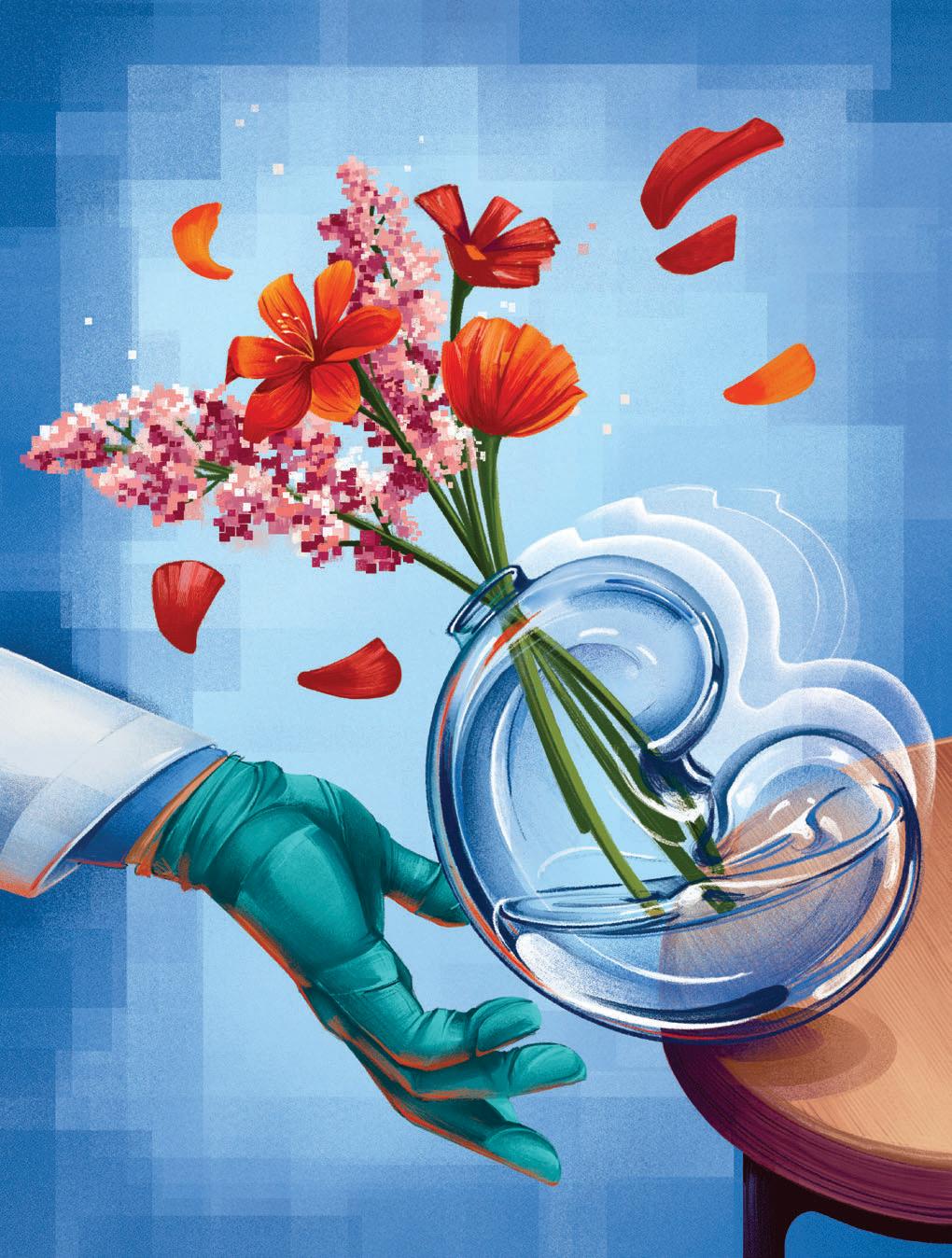
DENNIS MOLEDINA ENCOUNTERED a common problem during his training in nephrology, the specialty dedicated to kidney health. Many of the patients he saw had acute kidney injury that had been caused not directly by a disease but by a prescribed medication. Each encounter sparked a series of questions for Moledina: Should they stop the problem medicine? Was there a drug they could add to the regimen to protect the patient's kidneys? Should they biopsy the organs to determine the cause?
Acute kidney injury (AKI) is a sudden change in the kidneys' ability to filter waste products from the blood, and it affects approximately one in 10 hospitalized patients—a number that jumps to more than five in 10 for those in intensive care. But the condition often causes no pain or discomfort, and clinicians have few warning signs.
Drugs, including common antibiotics and painkillers, may treat ailments such as infections but harm the kidneys and worsen the overall problem. Some of these illnesses impair renal function as well. By the time blood levels of creatinine—a protein the kidneys typically remove—are high enough to grab a clinician's attention, it's often too late. Irreversible kidney damage has already begun. Because of the multitude of possible causes, identifying the real reason for drug-induced AKI in hospitalized people can be incredibly complex, and the condition is still underrecognized.
Historically, researchers and clinicians assumed that the kidneys healed when someone stopped taking medications and recovered from hospitalization. They would monitor patients during treatment—for instance, while they were taking a limited course of antibiotics—but didn't think short-term changes in creatinine resulted in lasting damage, says nephrologist Matthew James of the University of Calgary.

هذه القصة من طبعة April 2026 من Scientific American.
اشترك في Magzter GOLD للوصول إلى آلاف القصص المتميزة المنسقة، وأكثر من 9000 مجلة وصحيفة.
هل أنت مشترك بالفعل؟ تسجيل الدخول
المزيد من القصص من Scientific American

Scientific American
The Business of Space Weather
A company aims to offer better forecasts based on a new solar model

7 mins
April 2026

Scientific American
Mindless Sleep
Even without brains, sea anemones and jellyfish can sleep like humans do
1 min
April 2026

Scientific American
THE KIDS ARE ALL RIGHT
Young people are doing better than you think
12 mins
April 2026

Scientific American
Something in THE WATER
Pristine alpine lakes are being choked by algal blooms. The culprit is in the air
9 mins
April 2026
Scientific American
A Dose of Prevention
New alert systems and biomarkers are spotting drug- induced kidney damage early, before irreversible harm
6 mins
April 2026

Scientific American
Life on the Edge
Kidney damage can progress for years without symptoms. The newly diagnosed cope with everything from restrictive diets to the emotional and logistical toll of dialysis
9 mins
April 2026
Scientific American
Stopping an Autoimmune Attack
IgA nephropathy, a frequent cause of kidney failure, is underdiagnosed. New treatments mean it's more important now to find those who will benefit
8 mins
April 2026

Scientific American
Mindless Sleep
Even without brains, sea anemones and jellyfish can sleep like humans do
4 mins
April 2026

Scientific American
Microbes Afloat
BACTERIA AND THE VIRUSES that infect them are perpetually at war. Their deadly clashes push both kinds of microbes to evolve new traits that meet the challenges of every environment they inhabit, from the human digestive tract to the seafloor’s hydrothermal vents— and even the harsh conditions of space.
2 mins
April 2026

Scientific American
The Strangest Bloom
Research reveals how the corpse flower came by its peculiar traits
9 mins
April 2026
Listen
Translate
Change font size