يحاول ذهب - حر
WHY ANIMALS PLAY
Issue 203
|How It Works UK
From bees playing ball to snowboarding birds, is there reason to animal recreation?
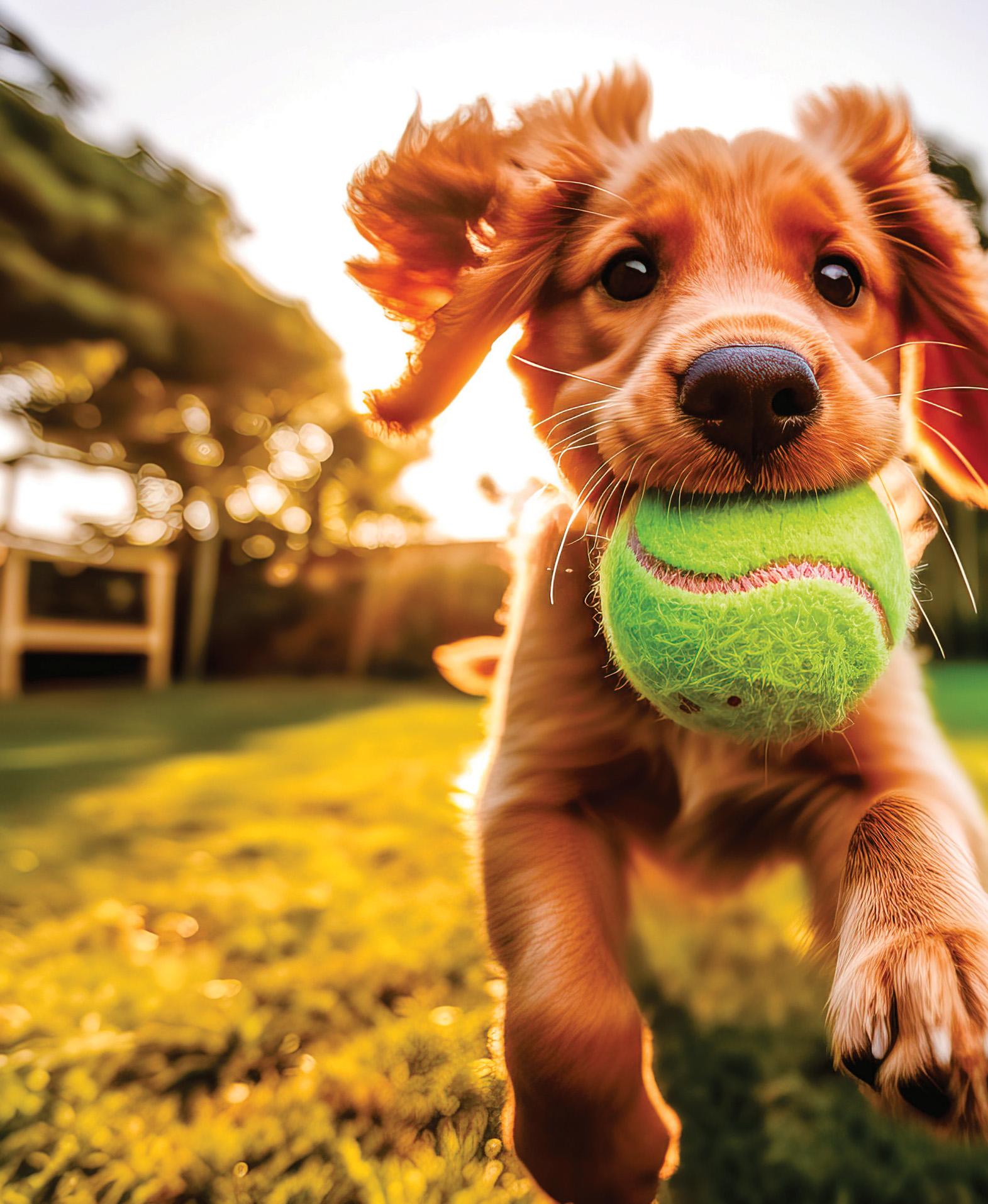
When humans play, it brings people together socially, demonstrates competition and survival skills and enables creativity and exploration. For many animals, games and other playtime interactions provide similar benefits. But humans play differently to many other species of the animal kingdom, so how do we know when a creature is playing and when it's doing something else? There are five criteria that need to be met before researchers can say that an animal is playing: the activity needs to be spontaneous, exaggerated, not fully functional, performed when an animal is healthy and relaxed and have some repetition to show the act was intentional.
Humans have much more time for leisure activities compared to wild animals, who remain survival-oriented and alert to danger. But playing can be a fun and engaging way to introduce young animals to the survival skills they will depend on later in life. A litter of kittens, for example, will bite and fight with each other from an early age. While the unpredictable actions of a sibling won't harm another, the litter will develop quicker reaction times to potential threats and unexpected events early on.
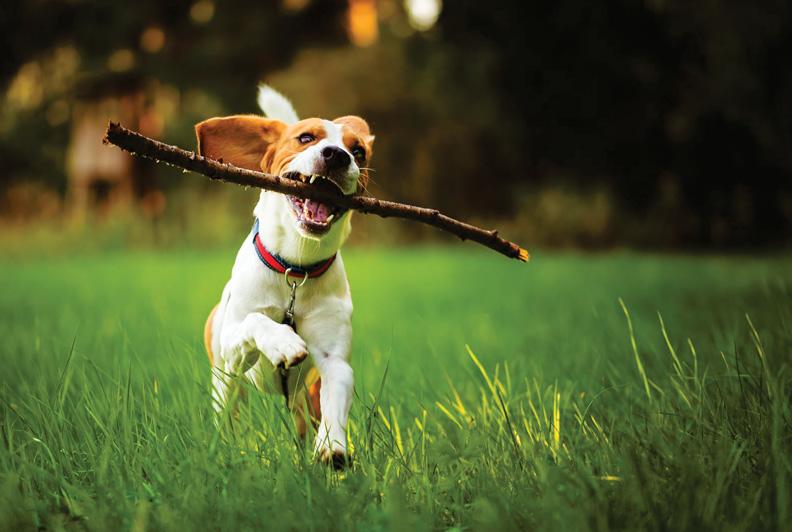 In other instances, play presents itself as a seemingly random act. Scientists don't fully understand the reasoning behind every animal action, but it's possible that animals don't always follow logic. Like humans, some activities are performed purely for pleasure. When many animals play, feel-good chemicals such as dopamine are released, which serve the body by boosting mood and enhancing neural functions such as learning and memory.
 DOLPHIN BUBBLE PLAY

هذه القصة من طبعة Issue 203 من How It Works UK.
اشترك في Magzter GOLD للوصول إلى آلاف القصص المتميزة المنسقة، وأكثر من 9000 مجلة وصحيفة.
هل أنت مشترك بالفعل؟ تسجيل الدخول
المزيد من القصص من How It Works UK

How It Works UK
FORMULA FAST
YOUR ULTIMATE GUIDE TO FORMULA ONE RACING

1 mins
Issue 212
How It Works UK
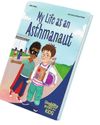
MY LIFE AS AN ASTHMANAUT
A CHILDREN'S BOOK ABOUT ASTHMA
1 min
Issue 212
How It Works UK
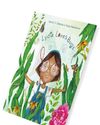
LYDIA LOVES BUGS
A SHORT AND SWEET STORY OF AN ENTHUSIASTIC ENTOMOLOGIST
1 min
Issue 212

How It Works UK
INSIDE A DRONE
Drones aren't just for the military any more. These flying marvels are now taking over our lives
3 mins
Issue 212
How It Works UK
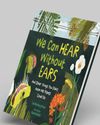
WE CAN HEAR WITHOUT EARS
AND OTHER THINGS YOU DIDN'T KNOW WE PLANTS COULD DO
1 min
Issue 212

How It Works UK
DO GEESE GET GOOSEBUMPS?
Many animals experience a similar reaction when they feel cold or scared
2 mins
Issue 212

How It Works UK
SUBMARINES WITHOUT SAILORS
Dive into the world of autonomous submarines and discover the mission that will see one sail around the world
4 mins
Issue 212
How It Works UK
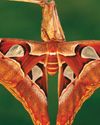
WHAT HAPPENS INSIDE A COCOON?
How certain species of insects transform from crawling caterpillars to flying moths and butterflies
3 mins
Issue 212

How It Works UK
HOW THE ROSE LOST ITS SCENT
From floral to fragranceless, there's a biological reason behind a rose's missing odour today
3 mins
Issue 212
How It Works UK
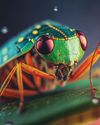
How many insects have been discovered so far?
The total number of named species is around a million.
7 mins
Issue 212
Listen
Translate
Change font size