يحاول ذهب - حر
WHAT GIVES FOOD ITS TEXTURE?
Issue 204
|How It Works UK
From crisp, crunchy fruit to satisfyingly stretchy cheese, explore the chemistry behind each bite
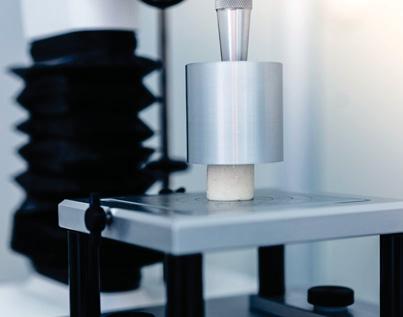
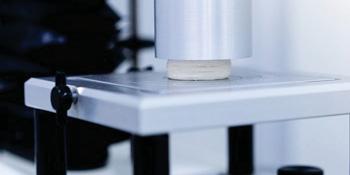
Flavour alone doesn’t determine how highly you rate a food. The feeling of food in the mouth plays a huge part in your enjoyment of a meal. While taste receptors process the flavours in foods, nerve cells help the brain perceive the tactile feeling of the contents of your mouth. In the brain's somatosensory cortex — part of the parietal lobe at the top of the brain — signals from your mouth's interaction with food are incorporated into your perception of the experience.
Aside from the sense of touch, which is the primary texture-detecting response, kinesthetics also play a part in sensing texture. This is the movement and position of food in the mouth, and it's your teeth’s role to test this. As they chew on different foods, the mouth senses how they break apart, bend or stick to the teeth. The sight of food before it even touches the mouth also plays a part in our perception of its texture. You judge a food by how it sits on a plate at rest before you eat it. For example, the thickness of a sauce can be observed by how much it spreads on the plate, as well as its speed of movement. Finally, the sound of food or feel of it moving against your touch prepares your brain for how the food will feel in the mouth.


هذه القصة من طبعة Issue 204 من How It Works UK.
اشترك في Magzter GOLD للوصول إلى آلاف القصص المتميزة المنسقة، وأكثر من 9000 مجلة وصحيفة.
هل أنت مشترك بالفعل؟ تسجيل الدخول
المزيد من القصص من How It Works UK

How It Works UK
FORMULA FAST
YOUR ULTIMATE GUIDE TO FORMULA ONE RACING

1 mins
Issue 212

How It Works UK
MY LIFE AS AN ASTHMANAUT
A CHILDREN'S BOOK ABOUT ASTHMA
1 min
Issue 212
How It Works UK
LYDIA LOVES BUGS
A SHORT AND SWEET STORY OF AN ENTHUSIASTIC ENTOMOLOGIST
1 min
Issue 212

How It Works UK
INSIDE A DRONE
Drones aren't just for the military any more. These flying marvels are now taking over our lives
3 mins
Issue 212
How It Works UK
WE CAN HEAR WITHOUT EARS
AND OTHER THINGS YOU DIDN'T KNOW WE PLANTS COULD DO
1 min
Issue 212

How It Works UK
DO GEESE GET GOOSEBUMPS?
Many animals experience a similar reaction when they feel cold or scared
2 mins
Issue 212

How It Works UK
SUBMARINES WITHOUT SAILORS
Dive into the world of autonomous submarines and discover the mission that will see one sail around the world
4 mins
Issue 212
How It Works UK
WHAT HAPPENS INSIDE A COCOON?
How certain species of insects transform from crawling caterpillars to flying moths and butterflies
3 mins
Issue 212

How It Works UK
HOW THE ROSE LOST ITS SCENT
From floral to fragranceless, there's a biological reason behind a rose's missing odour today
3 mins
Issue 212
How It Works UK
How many insects have been discovered so far?
The total number of named species is around a million.
7 mins
Issue 212
Listen
Translate
Change font size