يحاول ذهب - حر
Understanding MENTAL HEALTH
Issue 190
|How It Works UK
Take a tour of the brain to discover the origins of anxiety and how to tackle it

The term ‘mental health’ is used to encompass a person’s emotional and psychological wellbeing, which is experienced differently from one person to the next and includes a spectrum of mental health conditions. One of the most prevalent mental health concerns today centres around people’s levels of anxiety and depression. In the US alone, 6.8 million adults are affected by generalised anxiety disorder (GAD), which is a feeling of unease and worry to a variety of degrees, from manageable fear to debilitating panic. Common mental health issues such as GAD can also have knock-on effects on our physical health: depression and anxiety can lead to increases in blood pressure, reduce the amount of blood that flows through the heart and increase the release of a stress hormone called cortisol, all of which can contribute to the development of heart disease.
Mental health is often intertwined with a concept known as neurodiversity. This term is used to describe the breadth of ways the human brain operates and how it interprets and processes information. A neurotypical person is someone whose brain functions in a typical way – similar to the majority of their peers. The brain of a neurodivergent person, however, deviates from the typical. For example, someone on the autism spectrum or with attention deficit hyperactivity disorder (ADHD) might consider themselves to be neurodivergent.


هذه القصة من طبعة Issue 190 من How It Works UK.
اشترك في Magzter GOLD للوصول إلى آلاف القصص المتميزة المنسقة، وأكثر من 9000 مجلة وصحيفة.
هل أنت مشترك بالفعل؟ تسجيل الدخول
المزيد من القصص من How It Works UK

How It Works UK
FORMULA FAST
YOUR ULTIMATE GUIDE TO FORMULA ONE RACING

1 mins
Issue 212

How It Works UK
MY LIFE AS AN ASTHMANAUT
A CHILDREN'S BOOK ABOUT ASTHMA
1 min
Issue 212

How It Works UK
LYDIA LOVES BUGS
A SHORT AND SWEET STORY OF AN ENTHUSIASTIC ENTOMOLOGIST
1 min
Issue 212

How It Works UK
INSIDE A DRONE
Drones aren't just for the military any more. These flying marvels are now taking over our lives
3 mins
Issue 212
How It Works UK
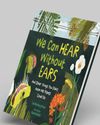
WE CAN HEAR WITHOUT EARS
AND OTHER THINGS YOU DIDN'T KNOW WE PLANTS COULD DO
1 min
Issue 212

How It Works UK
DO GEESE GET GOOSEBUMPS?
Many animals experience a similar reaction when they feel cold or scared
2 mins
Issue 212

How It Works UK
SUBMARINES WITHOUT SAILORS
Dive into the world of autonomous submarines and discover the mission that will see one sail around the world
4 mins
Issue 212
How It Works UK
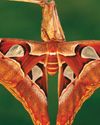
WHAT HAPPENS INSIDE A COCOON?
How certain species of insects transform from crawling caterpillars to flying moths and butterflies
3 mins
Issue 212

How It Works UK
HOW THE ROSE LOST ITS SCENT
From floral to fragranceless, there's a biological reason behind a rose's missing odour today
3 mins
Issue 212
How It Works UK
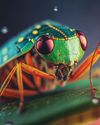
How many insects have been discovered so far?
The total number of named species is around a million.
7 mins
Issue 212
Listen
Translate
Change font size