
استمتع بـUnlimited مع Magzter GOLD
احصل على وصول غير محدود إلى أكثر من 9000 مجلة وصحيفة وقصة مميزة مقابل
يحاول ذهب - حر
TRACKING SEA MONSTERS
Issue 206
|How It Works UK
How a NASA star-mapping tool is being put to a new use - following the largest fish in the sea, whale sharks
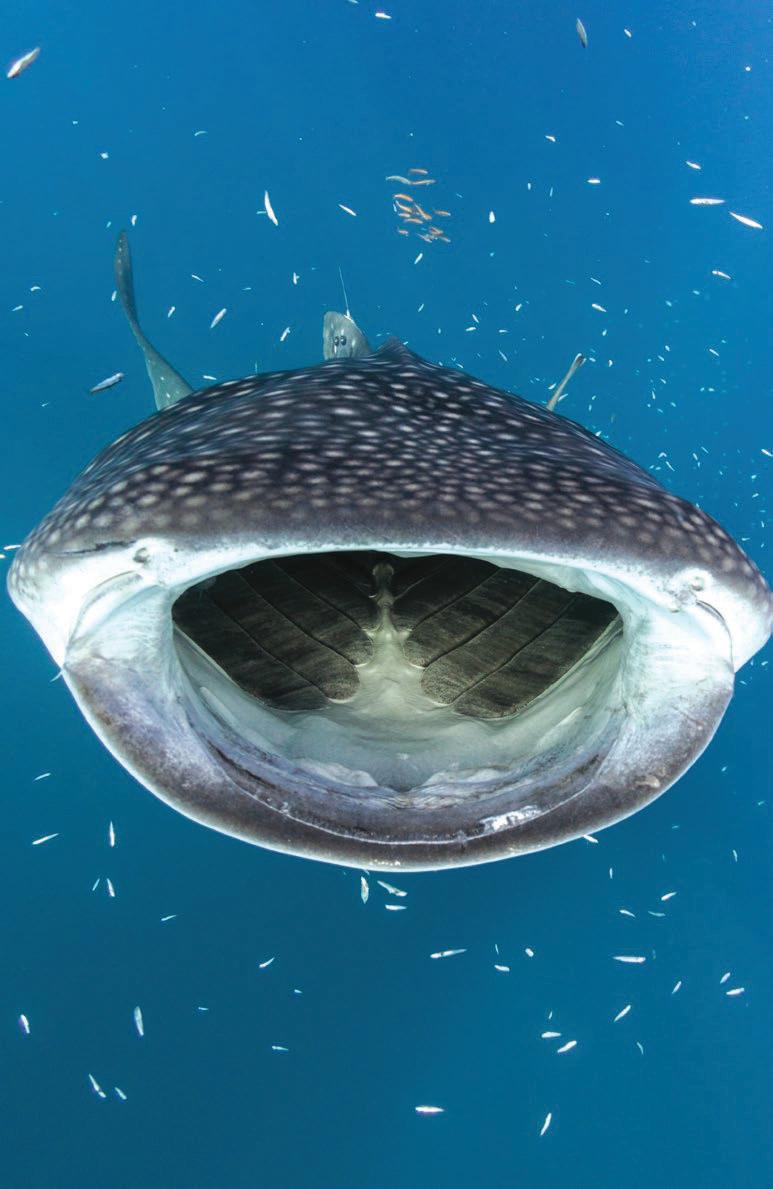
It's often said that we know more about what's up in space than what's hidden in our oceans. Staggering, when you remember that the surface of the Earth consists of a little over 70 per cent water. Take the whale shark, for example - on average, they're around nine metres in length, but the biggest known adult was over 12 metres long and weighed roughly the same as a typical fire engine. Known as 'tofu sharks' for their taste and texture, these are giants of the ocean, yet our knowledge of them is still small. However, new insights into these creatures is coming from a surprising source - a NASA algorithm originally used to identify stars photographed by the Hubble Space Telescope.
Whale sharks spend much of their time at great depths in the ocean, away from human eyes. They are highly migratory, move far away from our coasts and can dive thousands of metres per day. It means that research into these creatures is expensive and difficult. With the exception of the 1980s and 1990s, when whale sharks became a target for their flesh and fins, generally they are of no economic value, so little has been invested into finding out more about them. We don't understand how they mate, or where they give birth. All that is known about these sharks, which have a similar life span to humans, is the information that's gathered when they're shallow enough and close enough to our shores for us to see in order to gather data. In the past, tagging them to learn more about whale shark migration and behaviour had been the answer. But it hasn't been successful. In fact, according to Jason Holmberg, a director of the Wild Me conservation project: "Physical tags had a less than one per cent success rate."

هذه القصة من طبعة Issue 206 من How It Works UK.
اشترك في Magzter GOLD للوصول إلى آلاف القصص المتميزة المنسقة، وأكثر من 9000 مجلة وصحيفة.
هل أنت مشترك بالفعل؟ تسجيل الدخول
المزيد من القصص من How It Works UK

How It Works UK
FORMULA FAST
YOUR ULTIMATE GUIDE TO FORMULA ONE RACING

1 mins
Issue 212

How It Works UK
MY LIFE AS AN ASTHMANAUT
A CHILDREN'S BOOK ABOUT ASTHMA
1 min
Issue 212

How It Works UK
LYDIA LOVES BUGS
A SHORT AND SWEET STORY OF AN ENTHUSIASTIC ENTOMOLOGIST
1 min
Issue 212

How It Works UK
INSIDE A DRONE
Drones aren't just for the military any more. These flying marvels are now taking over our lives
3 mins
Issue 212

How It Works UK
WE CAN HEAR WITHOUT EARS
AND OTHER THINGS YOU DIDN'T KNOW WE PLANTS COULD DO
1 min
Issue 212
How It Works UK
DO GEESE GET GOOSEBUMPS?
Many animals experience a similar reaction when they feel cold or scared
2 mins
Issue 212

How It Works UK
SUBMARINES WITHOUT SAILORS
Dive into the world of autonomous submarines and discover the mission that will see one sail around the world
4 mins
Issue 212
How It Works UK
WHAT HAPPENS INSIDE A COCOON?
How certain species of insects transform from crawling caterpillars to flying moths and butterflies
3 mins
Issue 212

How It Works UK
HOW THE ROSE LOST ITS SCENT
From floral to fragranceless, there's a biological reason behind a rose's missing odour today
3 mins
Issue 212
How It Works UK
How many insects have been discovered so far?
The total number of named species is around a million.
7 mins
Issue 212
Listen
Translate
Change font size