يحاول ذهب - حر
THE WORLD'S WEIRDEST ISLANDS
Issue 200
|How It Works UK
Travel across the globe with us to discover unique and beautiful lands dotted across oceans and waterways
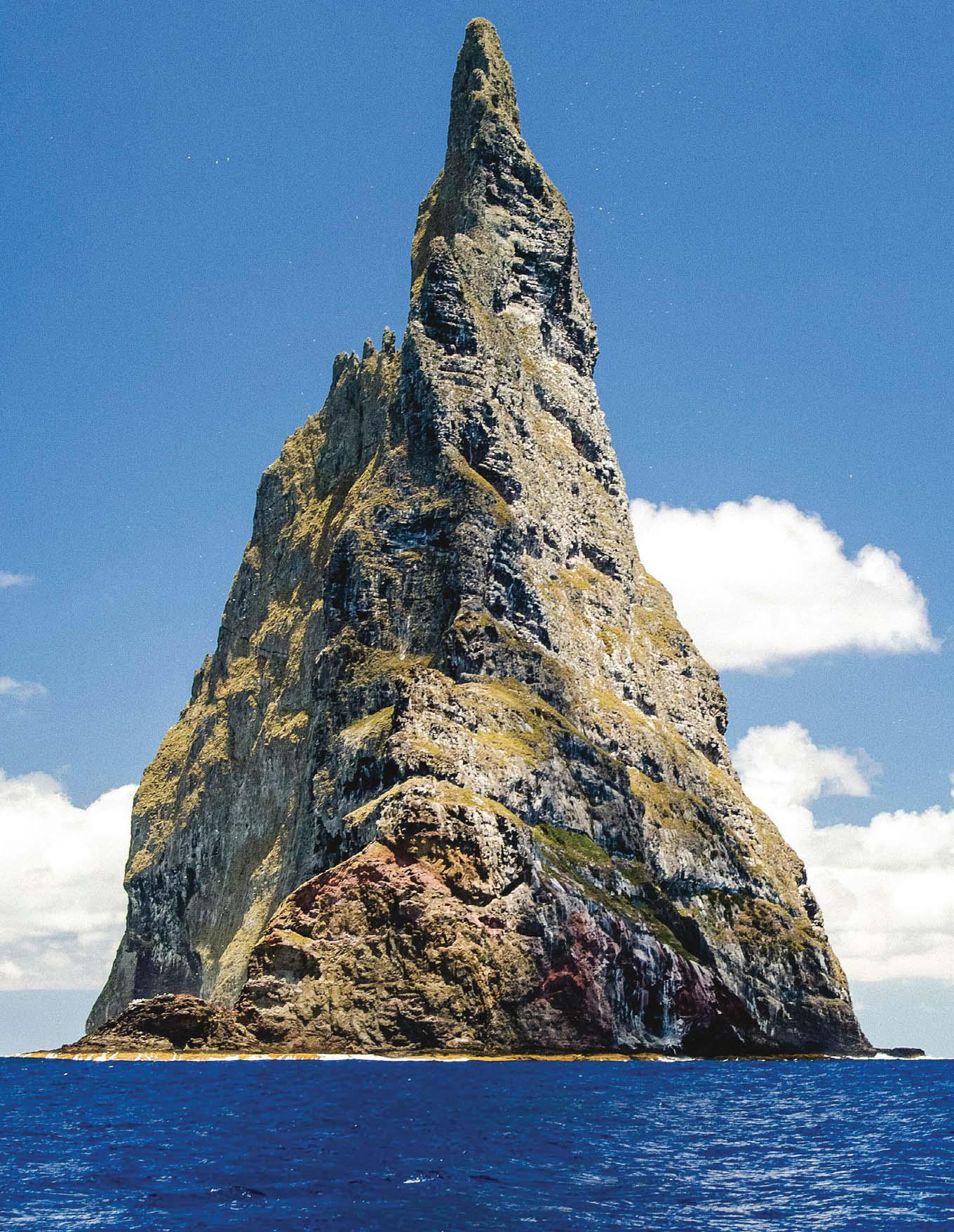
THE SPINNING 'EYE'
Within Argentina's Paraná Delta is a curious floating island called El Ojo, meaning 'the eye'. Around 120 metres in diameter, the circular island seems to float on crystal-clear waters and move independently of its surroundings. The island, which is almost exclusively made of plant matter, appears to spin in a clockwise direction, which scientists have suggested is driven by a current that circles around the body of water it floats on.
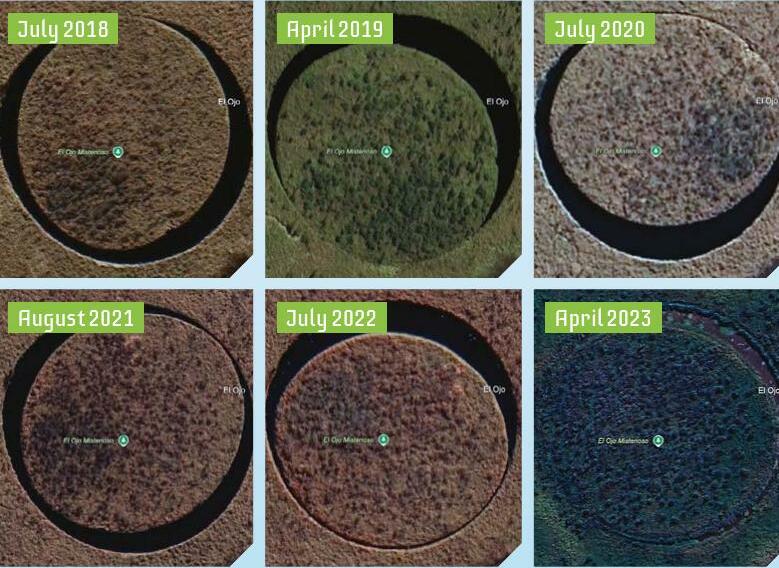 While it continually rotates, the island scrapes along the surrounding banks, eroding them into an almost-perfect circle. The water that encompasses the floating disc is uncharacteristically cold, the cause of which remains a mystery. Satellite imagery of the island shows it has existed for at least 20 years. However, it wasn't discovered until 2016, when famed filmmaker Sergio Neuspiller travelled to the area while doing research for a documentary on the delta.
ENDEMIC SPECIES PARADISE
In the Indian Ocean, around 210 miles from the coast of southwest Yemen, is an archipelago of four islands and two rocky islets which extend the Horn of Africa. The largest of the islands is called Socotra, otherwise known as the 'jewel of Arabia'. Socotra is known for its unique landscapes, spanning across 1,400 square miles, and its endemic wild residents. Mountains occupy most of its interior and include deep valleys, extensive limestone caves and sandy beaches.


هذه القصة من طبعة Issue 200 من How It Works UK.
اشترك في Magzter GOLD للوصول إلى آلاف القصص المتميزة المنسقة، وأكثر من 9000 مجلة وصحيفة.
هل أنت مشترك بالفعل؟ تسجيل الدخول
المزيد من القصص من How It Works UK

How It Works UK
FORMULA FAST
YOUR ULTIMATE GUIDE TO FORMULA ONE RACING

1 mins
Issue 212

How It Works UK
MY LIFE AS AN ASTHMANAUT
A CHILDREN'S BOOK ABOUT ASTHMA
1 min
Issue 212

How It Works UK
LYDIA LOVES BUGS
A SHORT AND SWEET STORY OF AN ENTHUSIASTIC ENTOMOLOGIST
1 min
Issue 212

How It Works UK
INSIDE A DRONE
Drones aren't just for the military any more. These flying marvels are now taking over our lives
3 mins
Issue 212
How It Works UK
WE CAN HEAR WITHOUT EARS
AND OTHER THINGS YOU DIDN'T KNOW WE PLANTS COULD DO
1 min
Issue 212
How It Works UK
DO GEESE GET GOOSEBUMPS?
Many animals experience a similar reaction when they feel cold or scared
2 mins
Issue 212
How It Works UK
SUBMARINES WITHOUT SAILORS
Dive into the world of autonomous submarines and discover the mission that will see one sail around the world
4 mins
Issue 212
How It Works UK
WHAT HAPPENS INSIDE A COCOON?
How certain species of insects transform from crawling caterpillars to flying moths and butterflies
3 mins
Issue 212

How It Works UK
HOW THE ROSE LOST ITS SCENT
From floral to fragranceless, there's a biological reason behind a rose's missing odour today
3 mins
Issue 212
How It Works UK
How many insects have been discovered so far?
The total number of named species is around a million.
7 mins
Issue 212
Listen
Translate
Change font size