
استمتع بـUnlimited مع Magzter GOLD
احصل على وصول غير محدود إلى أكثر من 9000 مجلة وصحيفة وقصة مميزة مقابل
يحاول ذهب - حر
RETURN TO THE MOON
Issue 214
|How It Works UK
Project Artemis is accelerating its push to put humans back on Earth's orbital dancing partner before the end of the decade
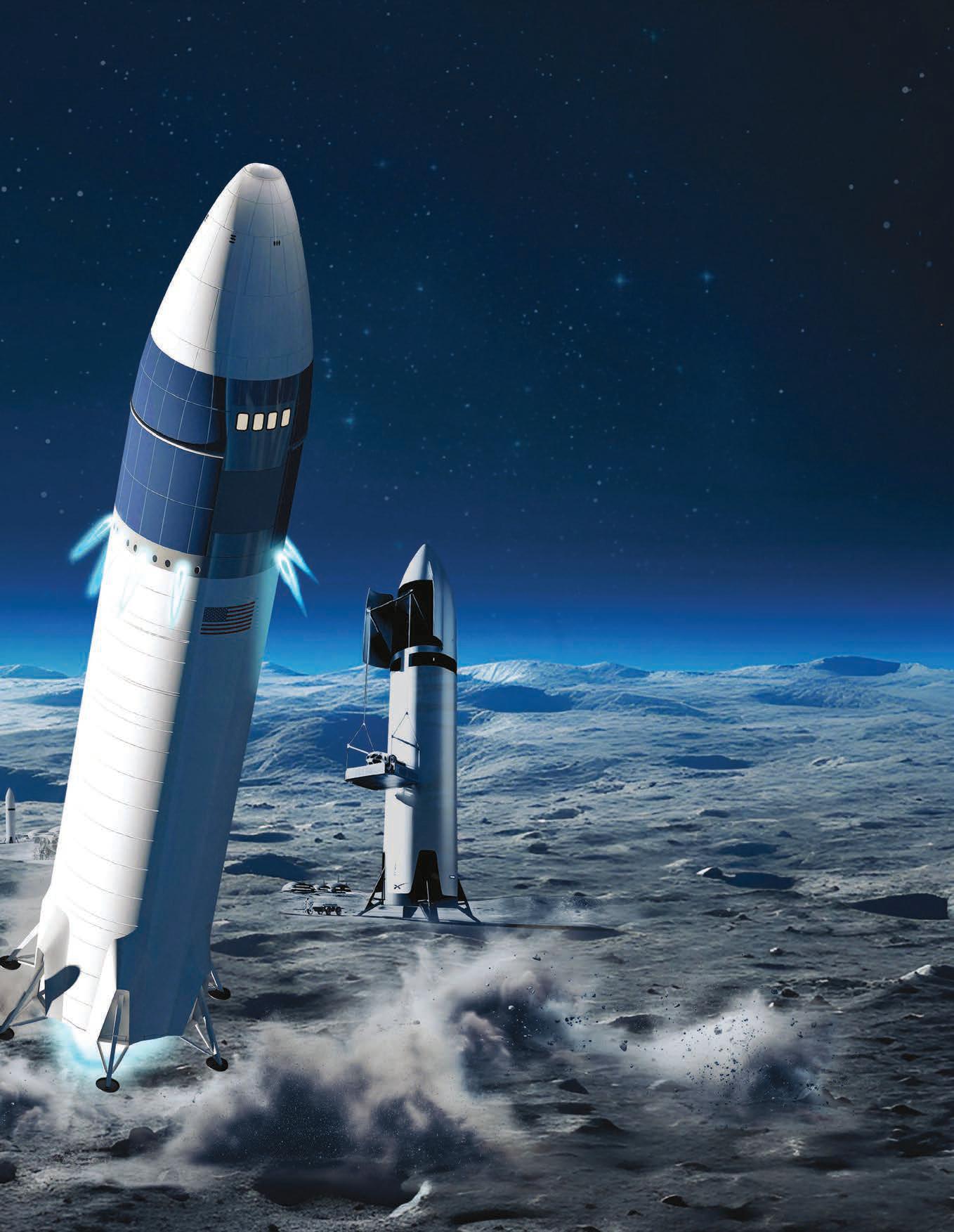
The Moon is the only astronomical body that, when seen with the naked eye from Earth, clearly looks like a rocky world not unlike our own planet.
For this reason, it's always played an important role in the human imagination, from fanciful romanticism to nuts-and-bolts science fiction.
People were speculating about the possibility of flying to the Moon at least as long ago as the 2nd century CE, when Lucian of Samosata wrote his misleadingly titled True History.
However, such flights only became a practical possibility with the advent of space travel in the late 1950s. This coincided with a simmering rivalry, both political and technological, between the United States and the Soviet Union - a superpower of comparable strength made up of Russia and various surrounding countries. Inevitably, the 'Space Race' of the 1960s became a key part of this rivalry. In its early years, the race was dominated by the Soviets, who achieved a whole string of firsts - including the first human to orbit the Earth and the first robotic lander to touch down on the lunar surface.
It wasn’t until December 1968 that America finally took the lead, when it sent a crew of three astronauts all the way to the Moon and back in Apollo 8. Although they didn’t land, this was a momentous achievement, and - having been a young child at the time - it was the event that sparked my lifelong interest in space. I even wrote a fan letter to the astronauts and got a pre-printed card by way of reply!
If Apollo 8 isn’t particularly well remembered today, it’s because seven months later, it was overshadowed by the most famous mission of all: Apollo 11. This saw two astronauts set foot on the Moon. This was followed by five more landings, the last few of which did valuable scientific research in the field of lunar geology. But the fact remains that Apollo - with its huge budget and super-fast timescale - was primarily driven by international politics.
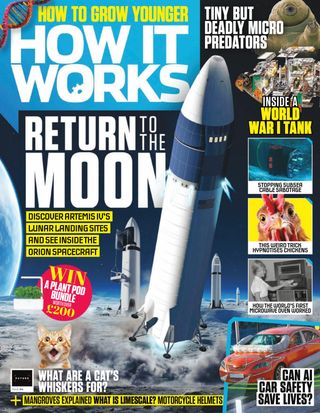

هذه القصة من طبعة Issue 214 من How It Works UK.
اشترك في Magzter GOLD للوصول إلى آلاف القصص المتميزة المنسقة، وأكثر من 9000 مجلة وصحيفة.
هل أنت مشترك بالفعل؟ تسجيل الدخول
المزيد من القصص من How It Works UK
How It Works UK
WHY ANIMALS PLAY DEAD
These species have mastered faking their own deaths for several different reasons

1 min
Issue 214
How It Works UK
THE JAMES WEBB SPACE TELESCOPE MAPS 3D AURORAE ON URANUS
An international team of researchers has uncovered new insights into the upper atmosphere of Uranus, where ions swirling above the ice giant's clouds meet its magnetic field.
1 min
Issue 214
How It Works UK
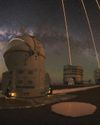
LASERS BEAM 'ARTIFICIAL STARS' INTO CHILE'S SKIES
The European Southern Observatory has released a breathtaking photo of the Milky Way shining over Paranal Observatory in Chile as lasers create artificial 'guide stars' in the dark sky above.
1 min
Issue 214

How It Works UK
WHISKERS AT WORK
How long hairs on a cat's face fine-tune their senses
2 mins
Issue 214

How It Works UK
HOW AI IMPROVES CAR SAFETY
The vehicle technology that saves lives today - and the innovations that will soon make the roads safer for everyone
4 mins
Issue 214

How It Works UK
APOLLO 17: THE LAST CREWED MOON LANDING
It's been over 50 years since the final Apollo mission, so why haven't we put astronauts on the Moon since then?
4 mins
Issue 214

How It Works UK
WHAT IS LIMESCALE?
Why 'hard' water leaves chalky, flaky deposits wherever it settles
2 mins
Issue 214
How It Works UK
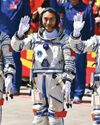
Astronauts describe the moment a crack was discovered on their spacecraft
Chinese astronauts have described what happened when they were nearly stranded in space last year after a suspected piece of space junk struck their return capsule.
2 mins
Issue 214
How It Works UK
The Vera C. Rubin Observatory found 800,000 objects of interest in a single night
The newly commissioned Vera C. Rubin Observatory has issued 800,000 astronomy alerts in just one night, a staggering number of nightly discoveries that's expected to grow nearly tenfold by the end of this year.
2 mins
Issue 214
How It Works UK
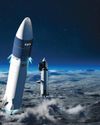
RETURN TO THE MOON
Project Artemis is accelerating its push to put humans back on Earth's orbital dancing partner before the end of the decade
5 mins
Issue 214
Listen
Translate
Change font size