
استمتع بـUnlimited مع Magzter GOLD
احصل على وصول غير محدود إلى أكثر من 9000 مجلة وصحيفة وقصة مميزة مقابل
يحاول ذهب - حر
INCREDIBLE SCIENCE BREAKTHROUGHS FOR 2026
Issue 211
|How It Works UK
Look out for 3D-printed organs, terabit Starlink broadband, DNA-personalised medication and other mega milestones, launches and achievements this year
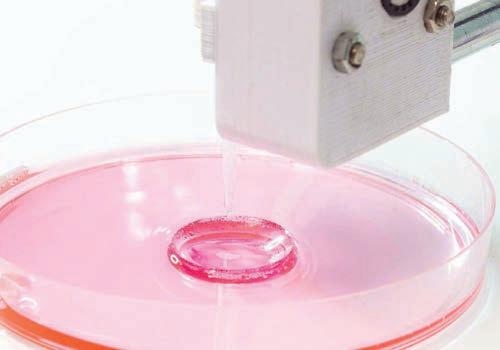
PRINTING NEW ORGANS
In 2026, we could see big strides in bioprinting. The technology uses cell-laden ‘bioink’ to print out living tissue in a similar layer-by-layer way to a typical 3D printer. However, the technology is
still in its infancy, having been invented in the 1980s. One of the biggest challenges of bioprinting is inconsistency and errors in depositing bioink. But there’s hope on the horizon for more accurate printing. In 2025, scientists at the Massachusetts Institute of Technology (MIT) developed a monitoring technique that uses a digital microscope to capture high-resolution images of the tissue during printing, comparing it to the initial design with the help of AI image-analysis software. The method will improve real-time inspection and even automation of tissue printing in the future. Scientists have since been able to print different living tissues, including skin, bladders, windpipes and even blood vessels. One of the most ambitious bioprints was carried out this year, involving printing a corneal implant made from corneal endothelial cells, which form the lining of blood vessels, before it was implanted in human patients as part of a trial study. The results will be revealed in the second half of 2026.
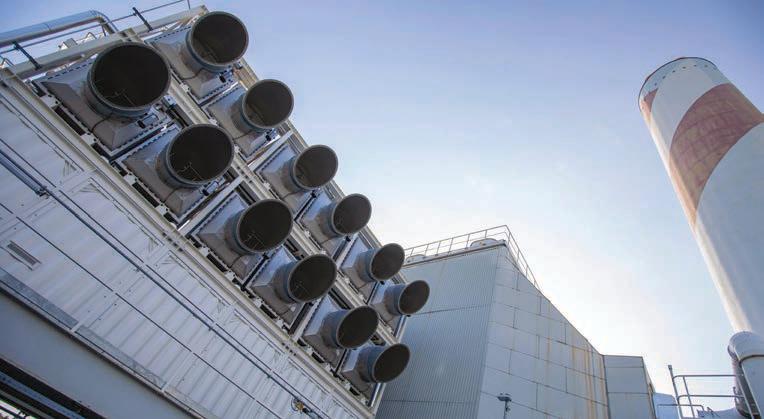 QUANTUM COMPUTING

هذه القصة من طبعة Issue 211 من How It Works UK.
اشترك في Magzter GOLD للوصول إلى آلاف القصص المتميزة المنسقة، وأكثر من 9000 مجلة وصحيفة.
هل أنت مشترك بالفعل؟ تسجيل الدخول
المزيد من القصص من How It Works UK

How It Works UK
FORMULA FAST
YOUR ULTIMATE GUIDE TO FORMULA ONE RACING

1 mins
Issue 212

How It Works UK
MY LIFE AS AN ASTHMANAUT
A CHILDREN'S BOOK ABOUT ASTHMA
1 min
Issue 212

How It Works UK
LYDIA LOVES BUGS
A SHORT AND SWEET STORY OF AN ENTHUSIASTIC ENTOMOLOGIST
1 min
Issue 212
How It Works UK
INSIDE A DRONE
Drones aren't just for the military any more. These flying marvels are now taking over our lives
3 mins
Issue 212
How It Works UK
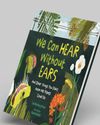
WE CAN HEAR WITHOUT EARS
AND OTHER THINGS YOU DIDN'T KNOW WE PLANTS COULD DO
1 min
Issue 212

How It Works UK
DO GEESE GET GOOSEBUMPS?
Many animals experience a similar reaction when they feel cold or scared
2 mins
Issue 212

How It Works UK
SUBMARINES WITHOUT SAILORS
Dive into the world of autonomous submarines and discover the mission that will see one sail around the world
4 mins
Issue 212
How It Works UK
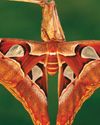
WHAT HAPPENS INSIDE A COCOON?
How certain species of insects transform from crawling caterpillars to flying moths and butterflies
3 mins
Issue 212

How It Works UK
HOW THE ROSE LOST ITS SCENT
From floral to fragranceless, there's a biological reason behind a rose's missing odour today
3 mins
Issue 212
How It Works UK
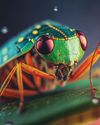
How many insects have been discovered so far?
The total number of named species is around a million.
7 mins
Issue 212
Listen
Translate
Change font size