يحاول ذهب - حر
HOW SUNDIALS TELL TIME
Issue 178
|How It Works UK
These ancient time-keeping devices keep track of Earth's movements around the Sun

Humans have used the Sun to monitor the passing of time for thousands of years. For example, Stonehenge is believed to have been erected around 2,500 BCE, constructed in such a way that each stone aligns with the Sun’s rise during the summer solstice and the sunsets of the winter solstice. However, like so many other technological inventions, the timekeeping sundial seems to have emerged from the minds of ancient Egyptians. The first evidence of a sundial dates back to around 1,500 BCE and was composed in two parts of an L-shaped shadow-casting device to determine the time of day. Over time, different versions of the sundial emerged, such as the ancient Greek hemispherical sundial around 280 BCE and the portable sundials created in Rome around 164 BCE. By the 8th century BCE, more accurate shadow-clocks that you might recognise today were commonly used.
As Earth rotates on its axis, the Sun appears to move across the sky, rising in the east and setting in the west. Along its journey, the Sun’s light beats down over the world and casts shadows in places it can’t reach. Taking advantage of light’s inability to pass through solid objects, sundials use the shadow of a central stick, called a gnomon, to pan across a series of numbers, like a clock face, to indicate what time it is based on the Sun’s position in the sky.

هذه القصة من طبعة Issue 178 من How It Works UK.
اشترك في Magzter GOLD للوصول إلى آلاف القصص المتميزة المنسقة، وأكثر من 9000 مجلة وصحيفة.
هل أنت مشترك بالفعل؟ تسجيل الدخول
المزيد من القصص من How It Works UK

How It Works UK
FORMULA FAST
YOUR ULTIMATE GUIDE TO FORMULA ONE RACING

1 mins
Issue 212

How It Works UK
MY LIFE AS AN ASTHMANAUT
A CHILDREN'S BOOK ABOUT ASTHMA
1 min
Issue 212

How It Works UK
LYDIA LOVES BUGS
A SHORT AND SWEET STORY OF AN ENTHUSIASTIC ENTOMOLOGIST
1 min
Issue 212
How It Works UK
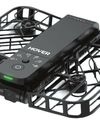
INSIDE A DRONE
Drones aren't just for the military any more. These flying marvels are now taking over our lives
3 mins
Issue 212
How It Works UK
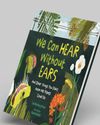
WE CAN HEAR WITHOUT EARS
AND OTHER THINGS YOU DIDN'T KNOW WE PLANTS COULD DO
1 min
Issue 212

How It Works UK
DO GEESE GET GOOSEBUMPS?
Many animals experience a similar reaction when they feel cold or scared
2 mins
Issue 212

How It Works UK
SUBMARINES WITHOUT SAILORS
Dive into the world of autonomous submarines and discover the mission that will see one sail around the world
4 mins
Issue 212
How It Works UK
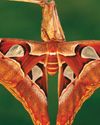
WHAT HAPPENS INSIDE A COCOON?
How certain species of insects transform from crawling caterpillars to flying moths and butterflies
3 mins
Issue 212

How It Works UK
HOW THE ROSE LOST ITS SCENT
From floral to fragranceless, there's a biological reason behind a rose's missing odour today
3 mins
Issue 212
How It Works UK
How many insects have been discovered so far?
The total number of named species is around a million.
7 mins
Issue 212
Translate
Change font size