يحاول ذهب - حر
ICAR's claims exposed by its own data
November 16, 2025
|Down To Earth
Why has ICAR flouted crop testing rules and ignored data red flags to push gene-edited rice strains that will not benefit farmers?
-

AN INSTITUTION'S response to criticism is a good indicator of its ethics and professionalism. In India, we are accustomed to waffling, deflection and outright rejection of any charges of wrongdoing. Political organisations and individuals in power use these tactics to routinely deny accusations of malfeasance. But when a top level scientific organisation does the same it reflects badly on the integrity of Indian science and raises questions about the institution's principles. We are discussing here the unsavoury aftermath of the announcement by ICAR (Indian Council of Agricultural Research) that it had developed two varieties of high-yielding, climate resistant and saline tolerant rice through genome editing or GE. Pointed questions have been raised over these claims based on the institution's own testing data. Instead of responding to these, ICAR has fallen back on the usual ploy of dismissing such criticism as anti-development.
This is a blanket denial and it won't wash. ICAR as a public sector research organisation needs to come up with a point-by-point rebuttal since the interests of millions of our rice farmers and the country's food security are at stake. The gaps in information are pretty large and renders the claims it makes for its two GE rice varieties, Pusa DST-1 and DRR Dhan 100 (Kamala) questionable (see "Centre's claims about gene-edited rice varieties don't match up, analysis of ICAR data shows" published on the Down To Earth website on October 30, 2025).


هذه القصة من طبعة November 16, 2025 من Down To Earth.
اشترك في Magzter GOLD للوصول إلى آلاف القصص المتميزة المنسقة، وأكثر من 9000 مجلة وصحيفة.
هل أنت مشترك بالفعل؟ تسجيل الدخول
المزيد من القصص من Down To Earth
Down To Earth
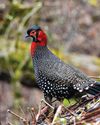
KING OF BIRDS
Revered for centuries, western tragopan now needs protection as its forests shrink, human pressures mount

3 mins
December 16, 2025
Down To Earth
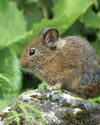
WHISKERS ALL AQUIVER
Climate change threatens creatures that have weathered extreme environments for thousands of years
2 mins
December 16, 2025

Down To Earth
GOLDEN SPIRIT
Survival of the shy primate is closely tied to the health of Western Ghats
3 mins
December 16, 2025

Down To Earth
RINGED EYES IN THE CANOPY
Rapid habitat destruction forces arboreal langur to alter habits
2 mins
December 16, 2025

Down To Earth
HANGING BY THE CLIFF
The Himalaya's rarest wild goat is on the brink of local extinction
2 mins
December 16, 2025

Down To Earth
ANGEL OF THE BEAS
Conservation reserves, citizen science, and habitat protection give the Indus River dolphin a fighting chance in India
2 mins
December 16, 2025
Down To Earth
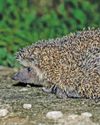
UNDER MOONLIT SCRUB
Survival of this hidden guardian tells us whether our scrublands still breathe
2 mins
December 16, 2025
Down To Earth
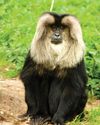
SYMBOL OF SILENT VALLEY
Lion-tailed macaque remains vulnerable despite past victories
2 mins
December 16, 2025

Down To Earth
THE APE IN OUR STORIES
India's only non-human ape species is a cultural icon threatened by forest fragmentation
2 mins
December 16, 2025
Down To Earth
SENTINEL OF THE HIGH COLD DESERT
The bird's evocative call may not continue to roll across the cold desert valley for long
3 mins
December 16, 2025
Listen
Translate
Change font size