يحاول ذهب - حر
Beyond protected areas
February 16, 2023
|Down To Earth
AT THE FEET OF LIVING THINGS JOURNALS EXPERIENCES OF ECOLOGISTS WHO PRACTISE A COLLABORATIVE AND SOCIO-ECOLOGICALLY SENSITIVE APPROACH TO CONSERVATION

TILL THE late 1990s, students of nature mostly worked inside protected areas and seldom interacted with the societies and cultures that existed in the larger landscape. They were guided by the prevailing conservation notions that species would be adequately protected if there were protected areas, and that local people and their practices were a threat to wildlife.
However, only about 5 per cent of India's land is protected, which is not enough to sustain wild animals in the long run. Science reveals that wildlife have always travelled through and/or stayed in human-used spaces. Moreover, the past two decades also witnessed the devastating impacts of neoliberal economic policies on nature.
It soon became clear that to conserve species, one would need to look beyond protected areas and work with different types of stakeholders-local communities, the forest department, development sectors, policymakers, private companies and nature enthusiasts from all walks of life. This presented a challenging proposition to students of nature who were not fully trained to don the hat of a multitasker. They had to learn on the job. At the Feet of Living Things is the accumulated experience of ecologists from Mysuru-based public charitable trust Nature Conservation Foundation (NCF), who have adopted this conservation approach over the past 25 years. The approach sheds its previously conventional, exclusionary, elitist skin and is emerging as collaborative, constructive and socio-ecologically sensitive.

هذه القصة من طبعة February 16, 2023 من Down To Earth.
اشترك في Magzter GOLD للوصول إلى آلاف القصص المتميزة المنسقة، وأكثر من 9000 مجلة وصحيفة.
هل أنت مشترك بالفعل؟ تسجيل الدخول
المزيد من القصص من Down To Earth
Down To Earth
Popular distrust
THE WORLD seems to be going through a period of stasis despite facing an unfathomable polycrisis.

2 mins
February 01, 2026
Down To Earth
CONSERVE OR PERISH
Periyar Tiger Reserve has rewritten Indian conservation by turning poachers into protectors and conflict into coexistence
5 mins
February 01, 2026

Down To Earth
'Rivers need to run free'
From Tibet to West Bengal, the Brahmaputra is the pulse of communities and ecosystems along its course. But what are the risks the river faces through human interventions, particularly dams, discusses journalist, author and filmmaker SANJOY HAZARIKA in his new book, River Traveller.
4 mins
February 01, 2026
Down To Earth
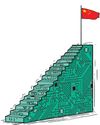
India is facing up to its innovation lag
There are signs now that India is acknowledging the superior strides made by China in a frontier technology like Al
4 mins
February 01, 2026

Down To Earth
Competing concerns
What are the repercussions of the EU-Mercosur pact that have made European farmers protest against the free trade agreement?
4 mins
February 01, 2026

Down To Earth
From fryer to flight
Sustainable fuel made from used cooking oil can play a pivotal role in helping India achieve its aviation emission reduction goals. Measures to collect this oil must be revamped
4 mins
February 01, 2026
Down To Earth
ACCESS OPEN
An amendment to India's nodal forest conservation law opens up forests across India to commercial exploitation by the paper industry
6 mins
February 01, 2026
Down To Earth
DRINK FROM TAP CAN BE A REALITY
As cities across India struggle to supply safe piped water, Odisha offers a success story
2 mins
February 01, 2026

Down To Earth
GREAT DRYING
The Earth is hotter than at any point in the past 100,000 years, with 2023-25 becoming the warmest three-year period on record and also breaching the 1.5°C threshold for the first time. One fallout is dwindling freshwater.
22 mins
February 01, 2026
Down To Earth
Green redemption
Restoration of grasslands of Kerala's Pampadum Shola National Park, once dominated by invasive Australian wattles, see a return of streams and native species
1 mins
February 01, 2026
Translate
Change font size