
استمتع بـUnlimited مع Magzter GOLD
احصل على وصول غير محدود إلى أكثر من 9000 مجلة وصحيفة وقصة مميزة مقابل
يحاول ذهب - حر
Removing microplastics: possible, necessary or just the latest celebrity trend?
Summer 2025
|BBC Science Focus
Services claiming to clear microplastics from people's bodies have begun to crop up. But how effective are they? An expert explains...
-
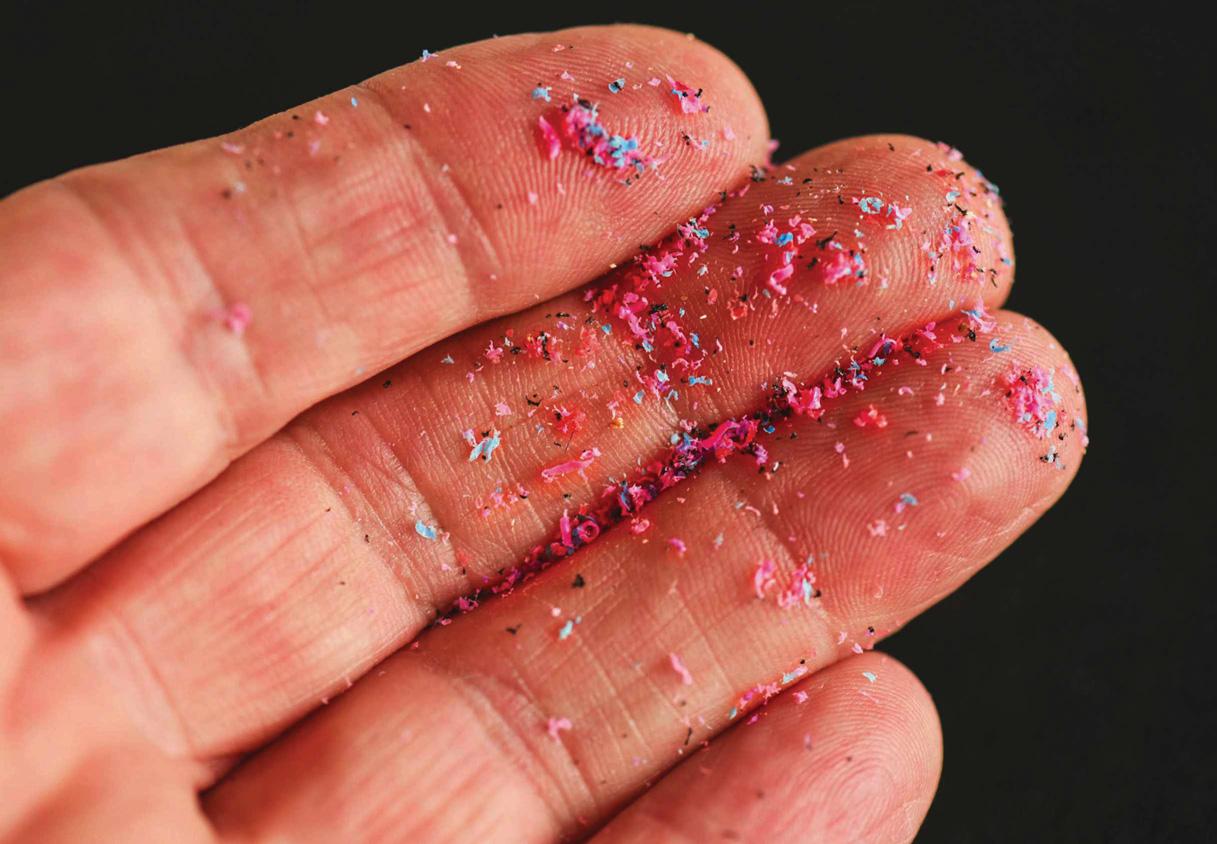
The actor Orlando Bloom recently made headlines when he reportedly paid £10,000 ($13,600) to have his blood removed so that any microplastics in it could be separated and filtered out. His decision to pay for this drastic treatment highlights the growing worry over an unsettling truth: there's simply no avoiding these minuscule particles of plastic.
They're everywhere, from the top of Mount Everest to the inside of our brains, according to some studies. They're also all over the media and, understandably, the perceived danger of having microscopic flakes of plastic floating around inside us has raised public and scientific concern.
Microplastics are often linked to disease, but the testing for them and their effects is still at an early stage and no scientific consensus has been reached. So should we be worried about what they're doing to our bodies? And should we be queuing up to get our blood 'cleaned'?
CONTAMINATED SAMPLES
The term 'microplastic' describes any plastic particle or fibre measuring less than 5mm (0.19in) in size. Typically, these particles are so small that we need a microscope to see them.
Scientists also use the term 'nanoplastic' to describe even smaller particles, which is less than 0.001mm (around 40 microinches). These are challenging to see even with advanced microscopes, but evidence suggests they could be released from plastic materials and into their surrounding environment.
Part of my research group's work has been to measure the levels of plastic and other particles in the air we breathe. In London, we've seen microplastics in the air pollution small enough to travel deep into our lungs.

هذه القصة من طبعة Summer 2025 من BBC Science Focus.
اشترك في Magzter GOLD للوصول إلى آلاف القصص المتميزة المنسقة، وأكثر من 9000 مجلة وصحيفة.
هل أنت مشترك بالفعل؟ تسجيل الدخول
المزيد من القصص من BBC Science Focus
BBC Science Focus
HOW FISH COULD SAVE MILLIONS OF PEOPLE'S SIGHT
There's nowhere near enough donors to meet the demand for corneal transplants. A pioneering treatment that relies on fish scales could change that

3 mins
May 2026
BBC Science Focus
Your Wi-Fi is lying to you
Wi-Fi 7's giant speed claims might look impressive, but the realities of our homes – and the laws of physics – mean that real-world performance will never get close
6 mins
May 2026

BBC Science Focus
WHICH ANIMAL IS MOST LIKELY TO ESCAPE FROM THE ZOO?
Have you heard the one about the monkey and the Yorkshire pudding?
2 mins
May 2026

BBC Science Focus
THE BLACK SERVAL
The black serval (Leptailurus serval) is an unusual, melanistic version of the African serval, a medium-sized wild cat that's native to Africa.
2 mins
May 2026
BBC Science Focus
Cryosleep vs hibernation: What's the difference?
When hibernating animals, such as hedgehogs and dormice, disappear for winter, they don't freeze like the Siberian salamander.
1 mins
May 2026
BBC Science Focus
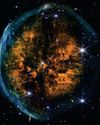
Space brain
The greatest names in science are often said to be 'big-brained', but this cosmic wonder puts them all to shame. Nebula PMR 1 - otherwise known as the 'Exposed Cranium' nebula for its distinctive shape - measures around 3.2 light-years across.
1 min
May 2026
BBC Science Focus
Your most draining relationships are taking years off your life, study suggests
Difficult people don't just zap your energy - they may also accelerate your biological ageing
4 mins
May 2026

BBC Science Focus
DOES EARTH HAVE A HEARTBEAT?
Move over, Ringo Starr.
1 mins
May 2026
BBC Science Focus
WEIGHT-LOSS DRUGS FOR ALL?
The obesity crisis is ruining lives and costing governments trillions. But some healthcare experts think there's now a radical solution: roll out GLP-1 jabs to everyone who needs them for free. Could it work?
9 mins
May 2026
BBC Science Focus
HOW TO SEE VENUS ON APPROACH TO JUPITER
Venus has been slowly moving away from the Sun's glare over the past few weeks, heading into the evening twilight after sunset.
1 mins
May 2026
Listen
Translate
Change font size