يحاول ذهب - حر
EMBRYO RESEARCH: WHY SCIENTISTS WANT MORE THAN 14 DAYS TO STUDY EARLY DEVELOPMENT
December 2023
|BBC Science Focus
An extension to the 14-day limit on research has been proposed and has support. But there are moral and ethical questions to consider

Members of the British public surveyed by the Human Developmental Biology Initiative and UK Research and Innovation Sciencewise largely gave their backing to a controversial proposal recently. Of the 70 participants, most expressed support for extending the 14-day limit on the research of human embryos.
If a change to the law is successful, researchers will be able to grow and study cultured human embryos for longer periods of time. This subject has always raised moral and ethical concerns, but those in favour of the extension argue that it'll afford researchers unprecedented insights into human development, which could lead to significant improvements in fertility and health.
WHAT IS THE 14-DAY RULE?
In UK law, it's illegal to carry out research on laboratory-grown human embryos beyond 14 days of development. This includes 'spare' IVF embryos that have been donated for research purposes and embryos created with donated sperm and eggs.
Similar rules exist in other countries such as the US, Japan, China and the Netherlands - but while some are legally binding, others are just guidelines. There are countries, such as Germany and Russia, which don't currently permit any human embryonic research at all.
WHY IS THE CURRENT LIMIT SET AT 14 DAYS?
At 14 days, the embryo is a small and simple structure, made of two layers of cells. There's no head or heart, brain or spinal cord, nor recognisable organs of any kind. The embryo is made of stem cells that have the potential to form specialised cell types, such as neurons and muscle cells, but this has yet to happen.


هذه القصة من طبعة December 2023 من BBC Science Focus.
اشترك في Magzter GOLD للوصول إلى آلاف القصص المتميزة المنسقة، وأكثر من 9000 مجلة وصحيفة.
هل أنت مشترك بالفعل؟ تسجيل الدخول
المزيد من القصص من BBC Science Focus
BBC Science Focus
HOW FISH COULD SAVE MILLIONS OF PEOPLE'S SIGHT
There's nowhere near enough donors to meet the demand for corneal transplants. A pioneering treatment that relies on fish scales could change that

3 mins
May 2026

BBC Science Focus
Your Wi-Fi is lying to you
Wi-Fi 7's giant speed claims might look impressive, but the realities of our homes – and the laws of physics – mean that real-world performance will never get close
6 mins
May 2026
BBC Science Focus
WHICH ANIMAL IS MOST LIKELY TO ESCAPE FROM THE ZOO?
Have you heard the one about the monkey and the Yorkshire pudding?
2 mins
May 2026
BBC Science Focus
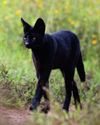
THE BLACK SERVAL
The black serval (Leptailurus serval) is an unusual, melanistic version of the African serval, a medium-sized wild cat that's native to Africa.
2 mins
May 2026
BBC Science Focus
Cryosleep vs hibernation: What's the difference?
When hibernating animals, such as hedgehogs and dormice, disappear for winter, they don't freeze like the Siberian salamander.
1 mins
May 2026
BBC Science Focus
Space brain
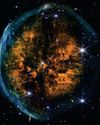
The greatest names in science are often said to be 'big-brained', but this cosmic wonder puts them all to shame. Nebula PMR 1 - otherwise known as the 'Exposed Cranium' nebula for its distinctive shape - measures around 3.2 light-years across.
1 min
May 2026

BBC Science Focus
Your most draining relationships are taking years off your life, study suggests
Difficult people don't just zap your energy - they may also accelerate your biological ageing
4 mins
May 2026

BBC Science Focus
DOES EARTH HAVE A HEARTBEAT?
Move over, Ringo Starr.
1 mins
May 2026
BBC Science Focus
WEIGHT-LOSS DRUGS FOR ALL?
The obesity crisis is ruining lives and costing governments trillions. But some healthcare experts think there's now a radical solution: roll out GLP-1 jabs to everyone who needs them for free. Could it work?
9 mins
May 2026
BBC Science Focus
HOW TO SEE VENUS ON APPROACH TO JUPITER
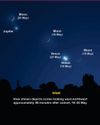
Venus has been slowly moving away from the Sun's glare over the past few weeks, heading into the evening twilight after sunset.
1 mins
May 2026
Translate
Change font size