
استمتع بـUnlimited مع Magzter GOLD
احصل على وصول غير محدود إلى أكثر من 9000 مجلة وصحيفة وقصة مميزة مقابل
يحاول ذهب - حر
Insecurity is the new inequality
February 24, 2025
|Time
DONALD TRUMP'S SECOND PRESIDENTIAL TERM HAS already been accompanied by a cascade of unnerving political and natural events-from the U.S.'s leaving the World Health Organization and the Paris Climate Accords, to the nighttime firings of inspectors general and pardons of the Jan. 6 rioters, to the raids targeting immigrants in a number of cities and the wildfires roaring through swaths of Los Angeles.
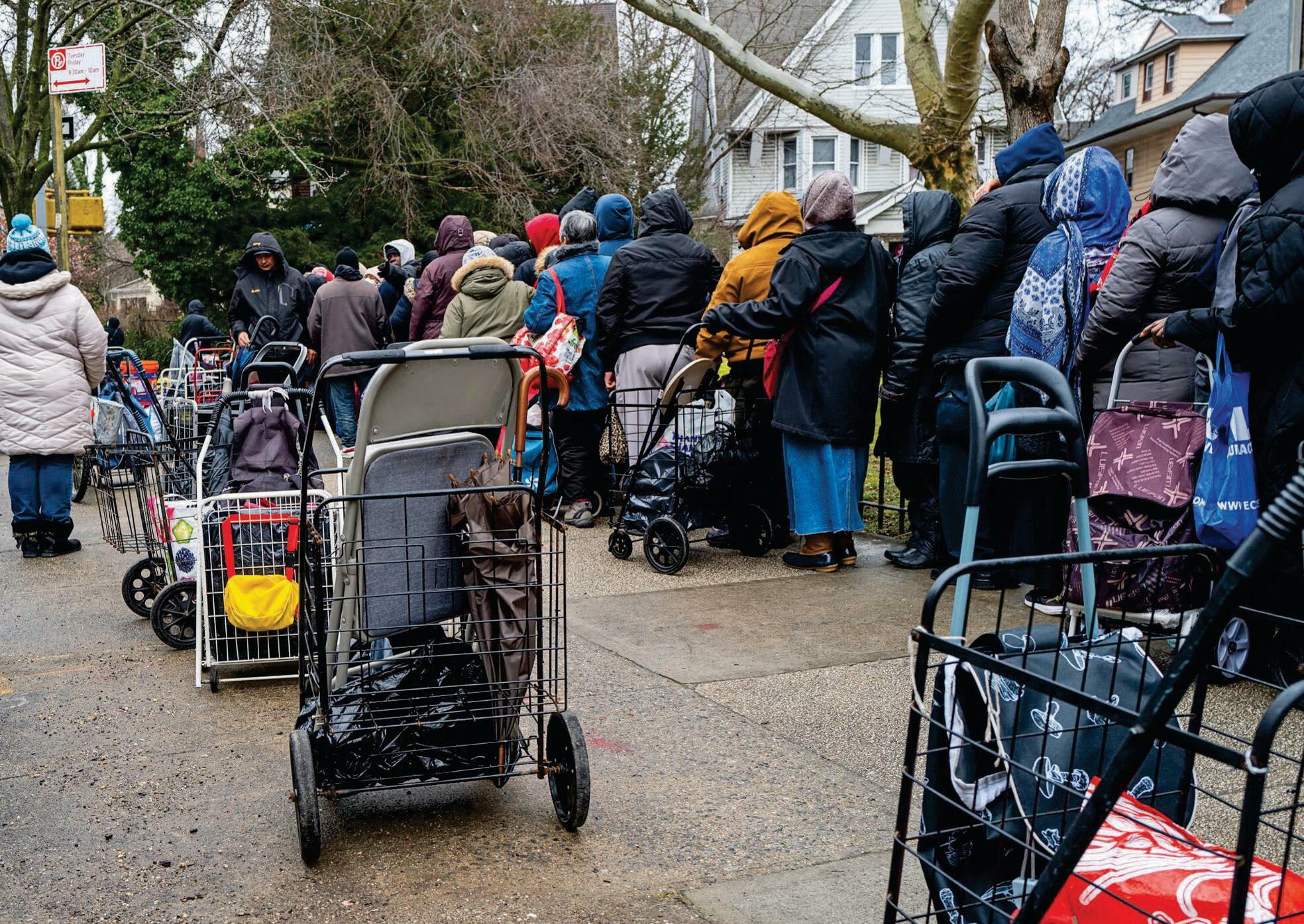
Each new occurrence, in turn, fills many with a greater and greater sense of insecurity.
This is our new normal: uncertainty all the time, at every moment, in all places. I call it "terra infirma," an inversion of terra firma, or solid ground. The ground beneath our feet is perpetually shifting. And it's hard to keep our balance.
This constant uncertainty has an effect, as well, on how I think about my work as the director of the Economic Hardship Reporting Project. I've started to consider insecurity as the new inequality. The problem isn't just the massive gap between haves and have-nots, though that does keep widening. For those who lack the resources to absorb each new blow, the constant instability hits hardest of all-but in truth, this insecurity affects almost everyone except the wealthiest.
Author and activist Astra Taylor's book The Age of Insecurity has shaped and inspired my understanding of how insecurity manifests in the economy and society right now. Taylor argues that a wide variety of crises, from rising inequality to eroding mental health, have insecurity at their root. In the past decade or so, social researchers have identified proliferating categories of uncertainty.
These include not only the political insecurity we are experiencing right now but also more bespoke varieties, like transportation insecurity (the difficulty of reaching destinations because of damaged buses and trains) and informational insecurity (owing to content that has been muddled and sullied by deepfakes, disinformation, and paranoia). There are also the politicians who obsess over tariffs or "illegal immigrants" supposedly taking jobs, ensuring voters feel a certain degree of insecurity.
These politicians then offer themselves up as the voice of common sense, the irony being, of course, that their falsely secure rhetoric just augments our perception of chaos.


هذه القصة من طبعة February 24, 2025 من Time.
اشترك في Magzter GOLD للوصول إلى آلاف القصص المتميزة المنسقة، وأكثر من 9000 مجلة وصحيفة.
هل أنت مشترك بالفعل؟ تسجيل الدخول
المزيد من القصص من Time

Time
T100 ARTISTS
Luke Combs Claire Danes • Benicio Del Toro Jonathan Groff • Jennie • Dakota Johnson Coco Jones • Tayari Jones Noah Kahan Ranbir Kapoor Freida McFadden Anderson .Paak Keke Palmer Jafar Panahi Rhea Seehorn Noah Wyle .

1 min
April 27, 2026
Time
CO2 Leadership Report
IN SOME WAYS, THE ANNUAL summit of the Sustainable Markets Initiative was notable merely for continuing on.
2 mins
April 06, 2026

Time
The Most Disruptive Company in The World
ANTHROPIC WAS POISED TO TRANSFORM THE FUTURE OF WORK. NOW IT'S IN A FIGHT OVER THE FUTURE OF WAR
22 mins
April 06, 2026

Time
A soul-deep friendship, lost in a shallow murder mystery
A COMPETITION TO DETERMINE TV’S MOST generic domestic thriller would have dozens of compelling entrants, but if I had to pick a winner, it would be Imperfect Women.
2 mins
April 06, 2026

Time
How do you respond to parents who think football is too dangerous for their kids?
I wouldn't blame them. But I will also say that fear is a choice. There are a lot of great things that you learn through sports. I wouldn't allow the fear of something negative happening stop me from achieving all of the character-building and life lessons that come with sports.
3 mins
April 06, 2026

Time
Zelensky's drone diplomacy
It was just over a year ago that President Donald Trump told Volodymyr Zelensky that he didn’t “have the cards right now.”
2 mins
April 06, 2026

Time
THE SCIENCE OF SKEPTICISM
Scientists once thought illness was caused by “miasmas,” foul vapors that drifted through the air.
3 mins
April 06, 2026

Time
FINDING THE HEARTBEAT
Michelle Pfeiffer is the emotional core of two layered and wildly different new TV shows
6 mins
April 06, 2026
Time
Housing bill
By an overwhelming bipartisan vote of 89-10, the Senate passed a sweeping piece of legislation on March 12 that seeks to bolster the U.S. housing supply and lower costs for homebuyers.
1 min
April 06, 2026

Time
Health Matters
THERE ARE MORE THAN 170 RHINO-viruses known to science.
3 mins
April 06, 2026
Listen
Translate
Change font size