
استمتع بـUnlimited مع Magzter GOLD
احصل على وصول غير محدود إلى أكثر من 9000 مجلة وصحيفة وقصة مميزة مقابل
يحاول ذهب - حر
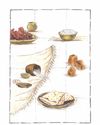
Memories Are Made of This
January 2025
|The Caravan
FOOD IN DALIT AND ADIVASI WRITING
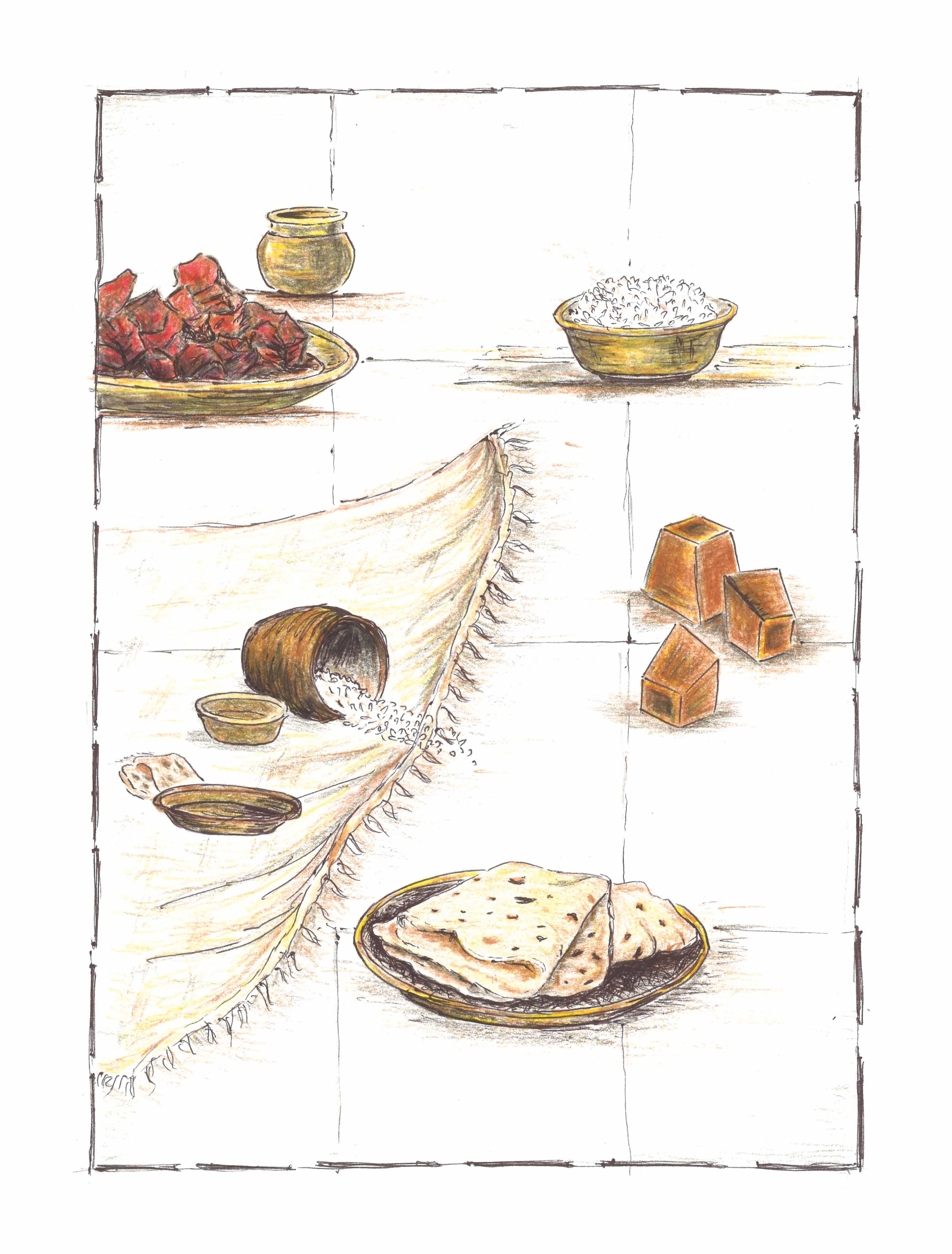
“THE MANGOES were always eaten slowly, reverently, their juice running down our wrists as though time itself had paused to let us taste happiness,” Madhur Jaffrey writes in her memoir, Climbing the Mango Trees.
In much contemporary feminist life writing, food is bound up with nostalgia: mangoes, meals and kitchens are repositories of affection, patience, familial warmth and childhood. In Chitra Banerjee Divakaruni’s writing, particularly The Mistress of Spices, cooking is a medium through which women navigate memory, migration and emotional survival, and recipes travel across geographies, carrying the weight of longing. Jhumpa Lahiri, too, repeatedly returns to food as intimacy—in Interpreter of Maladies and The Namesake, meals mark quiet reckonings with displacement, assimilation and the fragile ways love is sustained through ritual and repetition.
Several memoirs by authors from India’s marginalised communities read starkly against this mode— where food consoles, and nourishment becomes a metaphor. In them, meals appear stripped of flavour and nostalgia. Food arrives spoiled, rationed or forbidden, and the act of eating itself is often a reminder of humiliation rather than a benign symbol of homecoming. Few books show this more directly than Baby Kamble’s The Prisons We Broke. First published in Marathi in 1986, it is one of the earliest full-length memoirs by a Dalit woman. The English translation by Maya Pandit makes clear how blunt Kamble’s sentences are, how deliberately she avoids lyricism. Even moments of ritual abundance—a buffalo sacrifice; baskets of food carried to the goddess—turn quickly into a lesson in hierarchy, as portions are handed out according to caste, gender and age.

هذه القصة من طبعة January 2025 من The Caravan.
اشترك في Magzter GOLD للوصول إلى آلاف القصص المتميزة المنسقة، وأكثر من 9000 مجلة وصحيفة.
هل أنت مشترك بالفعل؟ تسجيل الدخول
المزيد من القصص من The Caravan

The Caravan
Dim Views
Punjab's new media suffers from old problems

22 mins
February 2026

The Caravan
ON FIRM GROUND
The civic struggle against uranium mining in the West Khasi Hills
6 mins
February 2026

The Caravan
DANGEROUS LIAISON
Why India enabled Israel's genocide in Gaza
44 mins
February 2026

The Caravan
Platform for Change
A women-led union gives voice to India's gig workers
6 mins
February 2026

The Caravan
NARAVANE'S Moment of Truth
An army chief's unpublished memoir exposes how the Modi government spun the China border crisis
44 mins
February 2026
The Caravan
A Brief History of the Slap
How Telugu cinema's heroes turn violence against women into romance
9 mins
February 2026
The Caravan
FACE PALM
Why the Congress keeps losing elections
33 mins
January 2025

The Caravan
The Great Transformation
Challenges facing independent news outlets in the digital age/Media
6 mins
January 2025

The Caravan
The Mob Comes for Film Critics
Dhurandhar and the manufacture of a national consensus
11 mins
January 2025
The Caravan
Memories Are Made of This
FOOD IN DALIT AND ADIVASI WRITING
15 mins
January 2025
Listen
Translate
Change font size