يحاول ذهب - حر
The Nuclear Renaissance in India
March 2025
|TerraGreen
Strategy for Clean and Reliable Energy Transition
-
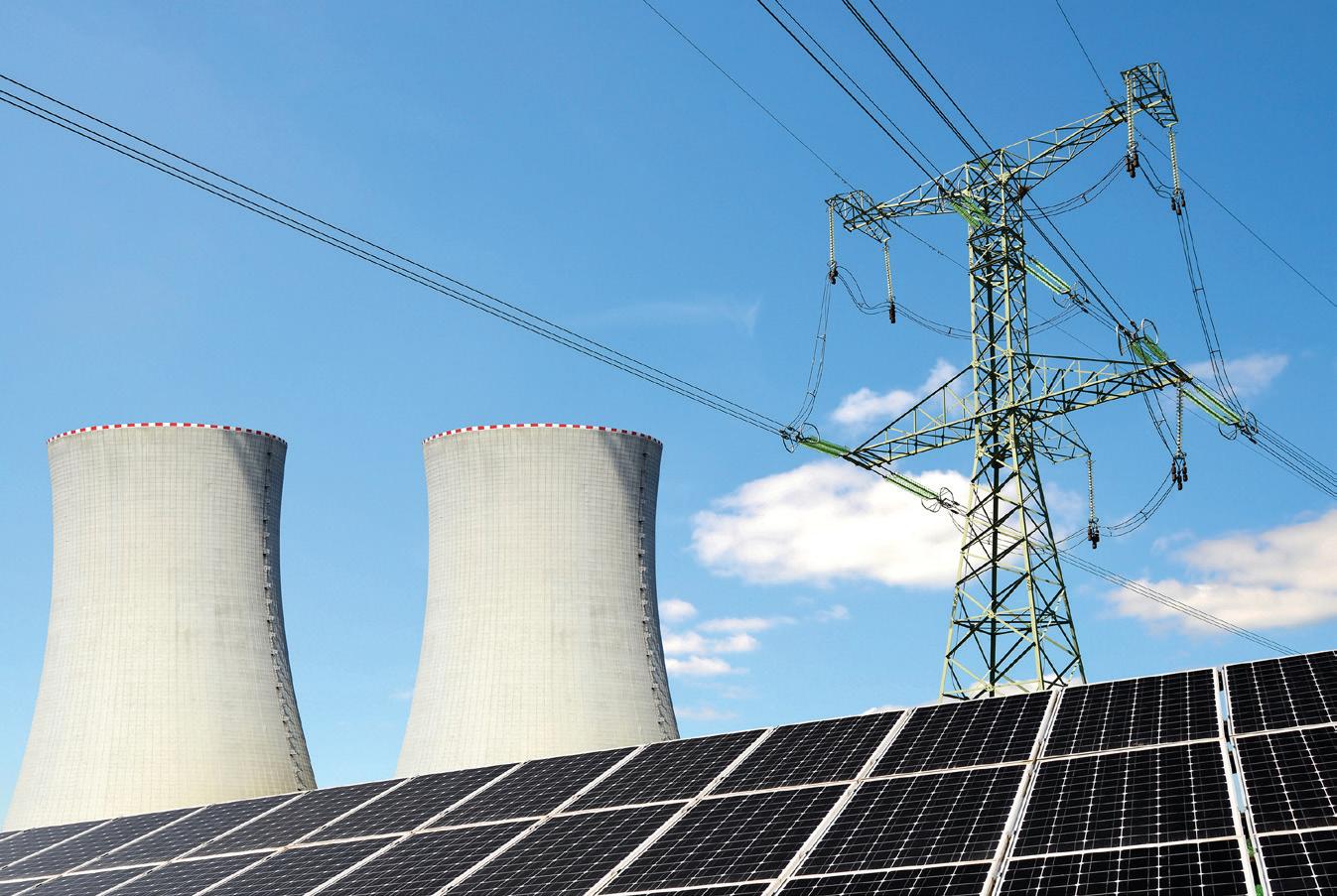
With the role of nuclear-based energy in achieving net-zero energy emissions growing and technological advancements in the clean energy gaining momentum, all roads lead towards sustainable future in the energy sector. K Ramanathan, Venkittu Sundaram and Dr Arunendra Kumar Tiwari pen down their thoughts on why nuclear power is making its way back in India, the factors conducive for it and the big boom which it might see in the coming years.
The role of nuclear energy in achieving net-zero energy emission targets is gaining prominence globally. This is reflected in the resurgence of nuclear-based power in many countries, including India. Technological advancements, policy support, rapidly growing demand, and the associated alarming changes in the climate are driving this transition, besides a conducive international environment. At the COP28, held in Dubai in December 2023, it was officially endorsed that the role of nuclear energy is critical for reducing the effects of climate change and 22 countries were signatories to the 'Declaration to Triple Nuclear Energy by 2050'.1 At the Nuclear Energy Summit held in Brussels in March 2024, India conveyed its ambition to triple nuclear power production by 2030, as a part of its commitment to expand clean energy.2 India already made a head start to the development of nuclear energy and progressed significantly in technology and human resources development. The country has one of the largest deposits of thorium in the world, a potential fuel source for nuclear power, and is poised well to move ahead on the nuclear route. The road is, however, not all rosy; challenges are to be met on many fronts — technological, geopolitical, financial, and policy related.
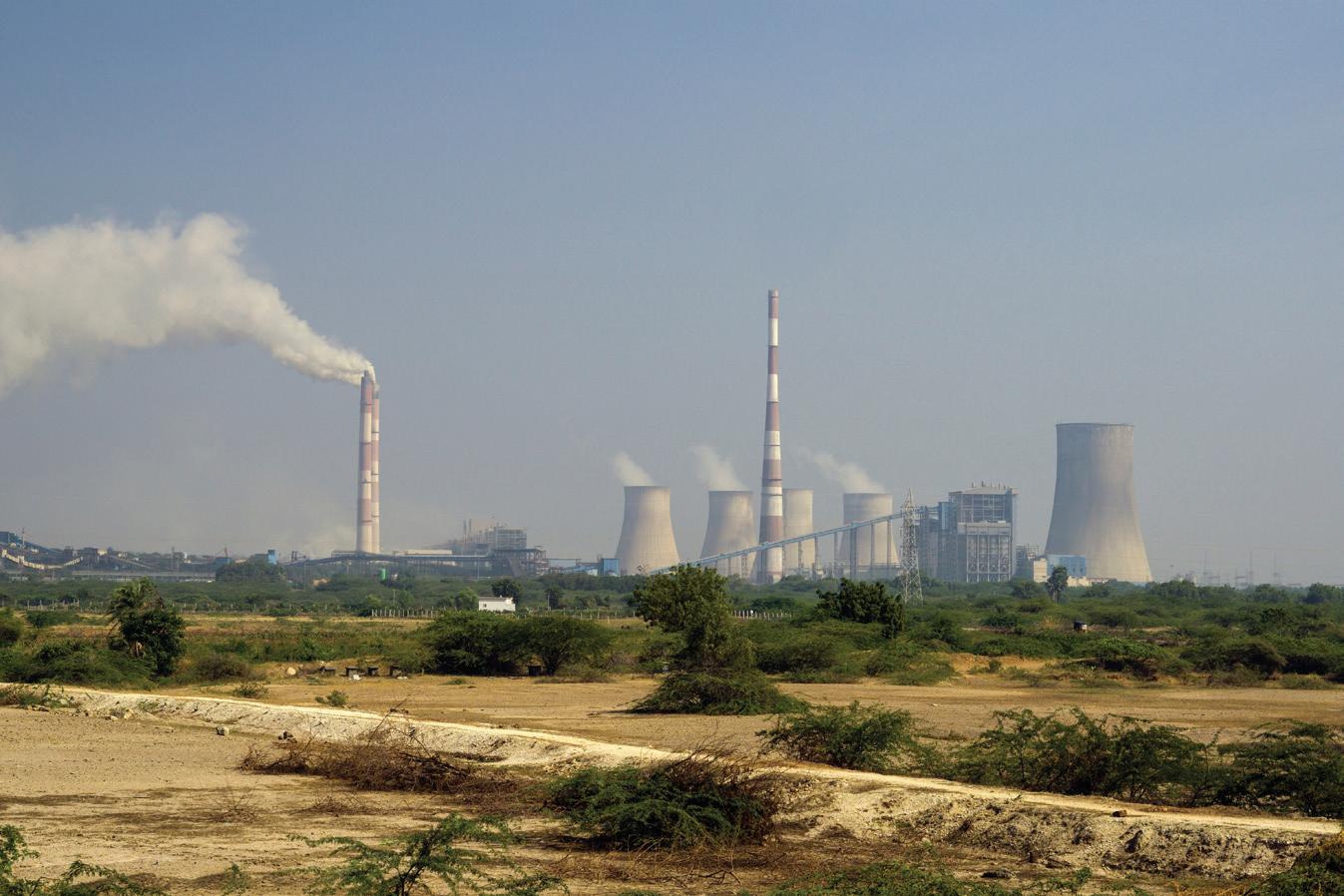 Drivers of Nuclear Power in India

هذه القصة من طبعة March 2025 من TerraGreen.
اشترك في Magzter GOLD للوصول إلى آلاف القصص المتميزة المنسقة، وأكثر من 9000 مجلة وصحيفة.
هل أنت مشترك بالفعل؟ تسجيل الدخول
المزيد من القصص من TerraGreen

TerraGreen
Motor Efficiency
The Silent Catalyst of India's Green Industrial Revolution

4 mins
January 2026

TerraGreen
Beauty That Betrays!
The Quiet Invasion of An Ornamental Plant
3 mins
January 2026

TerraGreen
Farming Innovation Addresses Food Shortages
Also Halves Methane Emissions
4 mins
January 2026

TerraGreen
Aravalli on the Edge
Saving India's Ancient Green Shield from Collapse
3 mins
January 2026

TerraGreen
From Orchard to Table
Apple Picking, Family Time, and Fall Colours
4 mins
January 2026

TerraGreen
Coral Reefs Could Feed Millions
If We Let Them Rebuild
3 mins
January 2026

TerraGreen
Resting on Deodars
How Fallen Trees are Being Reimagined as Urban Assets in Shimla
3 mins
January 2026

TerraGreen
India's Clean-Air Innovation at Risk
Nationwide Assessment by WeNaturalists
2 mins
January 2026

TerraGreen
CNFF-25
Highlights Environmental Concern Amid India's Cultural Heritage
3 mins
January 2026

TerraGreen
Green Farming through Circular Economy
Sustainable Practices for Waste Reduction
8 mins
January 2026
Listen
Translate
Change font size