
استمتع بـUnlimited مع Magzter GOLD
احصل على وصول غير محدود إلى أكثر من 9000 مجلة وصحيفة وقصة مميزة مقابل
It's an uneasy dance with the Taliban
April 06, 2025
|THE WEEK India
When the first Taliban regime fell in 2001, several Afghans, exiled by years of war and conflict, made a trip back home. Among them was Saad Mohseni, son of an Afghan diplomat.
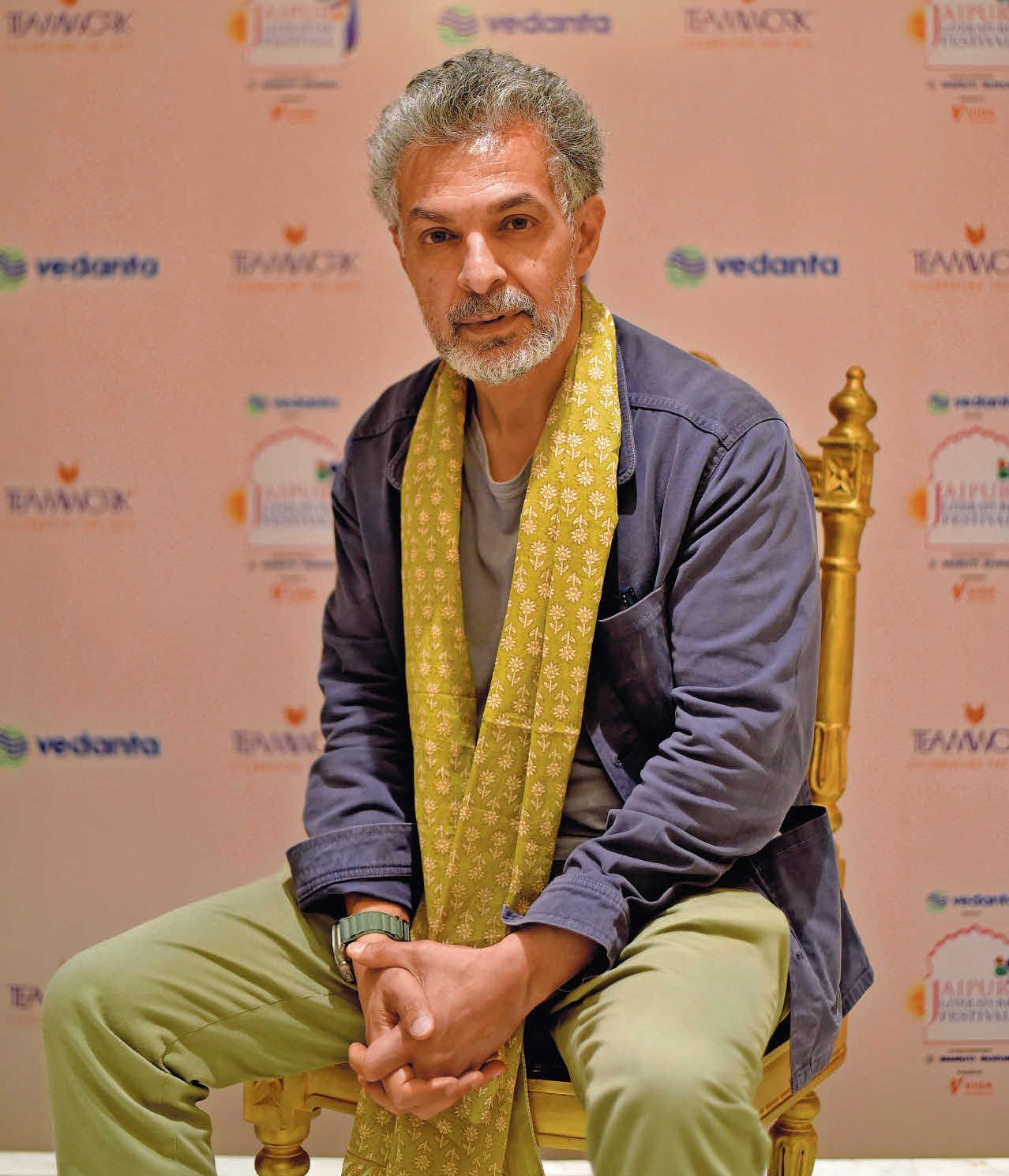
An ex-banker, he was living in Australia. “We talked for hours about the future of a country we had only just arrived in and that we all arrogantly imagined we would shape into anything we wanted,” he writes in Radio Free Afghanistan, a part memoir, which maps how Afghanistan's media landscape transformed through the two decades following the fall of Taliban.
Mohseni’s role in this was crucial. His Moby Group introduced FM, soap operas, reality TV, and talk and game shows in the country. Interestingly, while the Afghans started getting a hang of the newer forms of entertainment, what struck a cord was an Indian soap opera—Kyunki Saas Bhi Kabhi Bahu Thi. Such was the success of the show that there were rumours as dramatic as the drama itself—weddings stopped playing music at 8.30pm so that the guests could watch the show, and a branch of the Kabul Bank was robbed as the guards glued to the show.
The Afghans soon grew a liking for Turkish shows. Mohseni’s TOLO launched Afghan Star, a singing reality show, and a soccer premier league, steering Moby Group to become Afghanistan’s largest media company.
With the Taliban back in power, there are many restrictions on media and entertainment. Music is banned, and so are women appearing on TV dramas. Female news presenters have to wear masks on air. Live broadcasts of political shows are also banned.
So how’s Afghanistan’s biggest media group coping? “People still watch soap operas, they still listen to music. Once it’s out, it’s hard to put the genie back in the bottle,” says Mohseni. “Afghans have been exposed to the new-age entertainment. We have OTT platforms, too. It is the 21st century; good luck trying to stop people from gaining access to entertainment.” Edited excerpts from an interview:
Q/ How is the current Taliban regime different from the previous one?

هذه القصة من طبعة April 06, 2025 من THE WEEK India.
اشترك في Magzter GOLD للوصول إلى آلاف القصص المتميزة المنسقة، وأكثر من 9000 مجلة وصحيفة.
هل أنت مشترك بالفعل؟ تسجيل الدخول
المزيد من القصص من THE WEEK India
THE WEEK India
WHERE THE STORM NEVER REALLY PASSES
Guantánamo Bay, once a symbol of the ‘war on terror’, has emerged as a flashpoint in Donald Trump’s immigration battles, exposing deep tensions between America’s security, legality and moral commitments

10 mins
December 21, 2025

THE WEEK India
Moderation is the key
Most people do not believe me, but I am a moderate man.
3 mins
December 21, 2025
THE WEEK India
OCEAN THERAPY
The Modi-Putin summit unveils a cooperation strategy that will rewire sea trade routes and expand India's maritime connect to the Arctic
3 mins
December 21, 2025

THE WEEK India
Indian Army men fighting for the British against the Japanese were also patriots
Readers in India may be misled by the title of Gautam Hazarika's new book, The Forgotten Indian Prisoners of World War II: Surrender, Loyalty, Betrayal and Hell. It is not about the INA prisoners who were put on trial in the Red Fort by the British. This book is about those Indian soldiers who fought the Japanese in Singapore, Malaya and Burma alongside the British, and who had to surrender, were taken prisoner, put to torture and hard labour by the Japanese, refused to join the INA, and faced death or managed to escape. While recounting their stories, Hazarika also gives an insight into the INA movement. Edited excerpts from an interview with the author:
4 mins
December 21, 2025

THE WEEK India
CHAT WITH NEHRU, QUERY KALAM...
The Prime Ministers' Museum & Library showcases the life and contributions of prime ministers and nation-builders
3 mins
December 21, 2025

THE WEEK India
The art of shifting gears in investing
“Hope is not a strategy,” Hayes growls in one memorable scene, dismissing a teammate’s starry-eyed optimism.
3 mins
December 21, 2025
THE WEEK India
Trouble on the tarmac
It is not IndiGo but Indian aviation that has become too big to fail
4 mins
December 21, 2025

THE WEEK India
SHUX AND BLUE MARBLE
THE 18 DAYS IN SPACE MIGHT HAVE MADE HIM A HOUSEHOLD NAME, BUT GROUP CAPTAIN SHUBHANSHU SHUKLA IS AS GROUNDED AS EVER. AND BEFORE HE SUITS UP FOR HIS NEXT MISSION, THE WEEK'S MAN OF THE YEAR SHARES STORIES FROM HIS LIFE AND SPACE, INCLUDING HOW HE BECAME A 'WATER BENDER'
9 mins
December 21, 2025

THE WEEK India
The parietal lobe
If the frontal lobe is where we decide what to do, the parietal lobe is where we understand where we are. It is the brain's internal GPS, the quiet navigator that lets you put your hand exactly where your teacup is, find the edge of a staircase without staring at it, or scratch the correct side of your head when it itches. When it works well, we move through life gracefully. When it falters, life becomes slapstick comedy.
2 mins
December 21, 2025

THE WEEK India
Area of the globe? Pie is cubed
Floating in his private pool, China's helmsman Mao Zedong shared his strategic vision with visiting Soviet strongman Nikita Khrushchev in 1958: \"You look after Europe, and leave Asia to us.\" Obviously, he expected the US to withdraw into its prewar Monroe world of the Americas, thus making the world tripolar.
2 mins
December 21, 2025
Listen
Translate
Change font size