
استمتع بـUnlimited مع Magzter GOLD
احصل على وصول غير محدود إلى أكثر من 9000 مجلة وصحيفة وقصة مميزة مقابل
يحاول ذهب - حر
DIVERSITY IN UNITY
May 19, 2024
|THE WEEK India
THE SOUTH ASIAN COMMUNITY IN THE US HAS SEVERAL THINGS IN COMMON, BUT WHEN IT COMES TO THE UPCOMING ELECTIONS, THERE ARE WIDELY DIFFERING OPINIONS AND FEELINGS
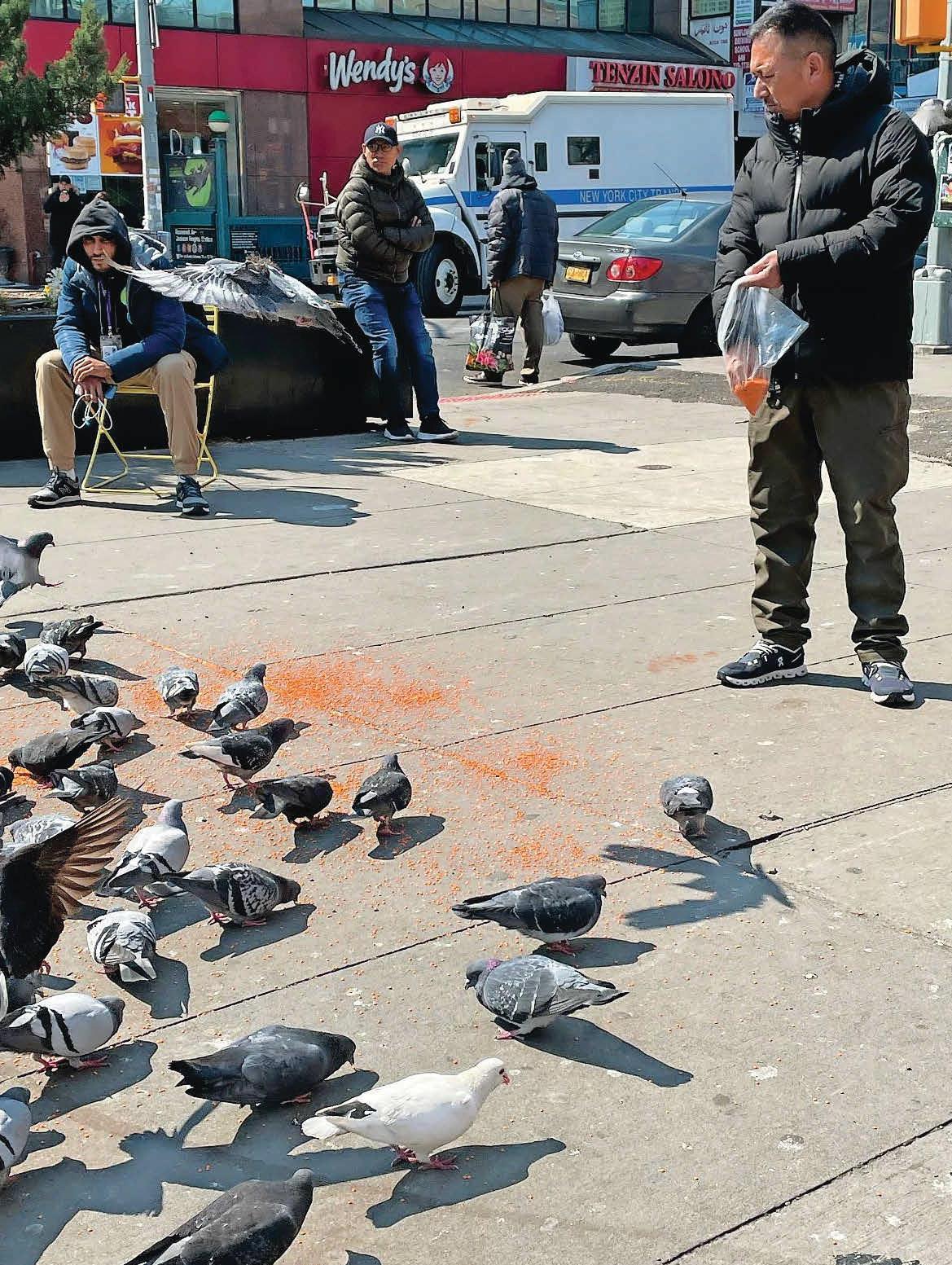
How can one understand what motivates South Asian Americans to vote, or not to vote? I tracked the species in their natural habitat—the temples, storefronts, and the chai and dosa eateries of Queens, in New York City.
Jackson Heights, called Jaikishan Heights affectionately by desis, is the mother of all South Asian neighbourhoods, a melting pot of many different cultures. They may be cultures which often bicker in Asia, but on these streets, you find signposts which tout Indian, Pakistani and Bangladeshi groceries all in one store; you have Bangladeshi, Chinese and Thai cuisine, all in one restaurant. Another ambitious eatery promotes Nepali, Bangla and Indo-Chinese food on its signboard.
The worshipers who stream into the Satyanarayan Hindu Temple on Woodside Avenue are from many diverse towns and communities in India, Nepal, Bhutan and the Caribbean islands. They share the same gods and gather together on the temple’s carpeted floor to chant the holy bhajans. They also share many of the same foods—the spicy samosa and the sugary sweet gulab jamun are loved by all these communities.
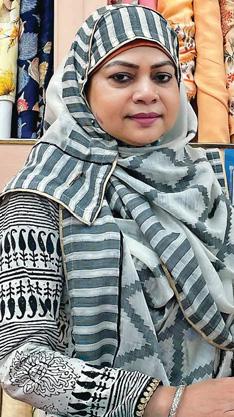
Yet, when it comes to politics and the upcoming elections, they have widely differing opinions and feelings. Having come from countries where politics is often regarded as a dirty game, many are indifferent to it or just plain apathetic, believing their participation will have no real impact on the outcome. Others, who have lived here longer, know that there is strength in numbers and their vote can make a difference.

هذه القصة من طبعة May 19, 2024 من THE WEEK India.
اشترك في Magzter GOLD للوصول إلى آلاف القصص المتميزة المنسقة، وأكثر من 9000 مجلة وصحيفة.
هل أنت مشترك بالفعل؟ تسجيل الدخول
المزيد من القصص من THE WEEK India

THE WEEK India
Redefining care through robotics
For a patient preparing for surgery, the central concern is rarely the sophistication of technology in the operating room.

2 mins
May 03, 2026

THE WEEK India
MOTHER LODE
Why Mother Mary is having a moment in pop culture
4 mins
May 03, 2026

THE WEEK India
LECTURES OVER LAGER
What happens when a professor walks into a bar?
4 mins
May 03, 2026

THE WEEK India
Violence has almost disappeared; ideology hasn't vanished
INTERVIEW - B. Shivadhar Reddy director general of police, Telangana
2 mins
May 03, 2026

THE WEEK India
Reserved, yet deferred
The constitutional amendment bill might have given the BJP an immediate campaign issue, but the government will be under pressure. The opposition has tasted blood
5 mins
May 03, 2026

THE WEEK India
PoSH, a question
Serious concerns over corporate India's workplace harassment framework
4 mins
May 03, 2026
THE WEEK India
Her seat at the table
To understand why the women's reservation bill took so long-and why its passage, even in this form, carries genuine weight-one has to begin in 1975
7 mins
May 03, 2026
THE WEEK India
Ladies' seats? Why not from 543?
Sigmund Freud died without answering it.
2 mins
May 03, 2026

THE WEEK India
Healing beyond medicine
At THE WEEK's Ayush conclave, conversations brought about a layered understanding of the opportunities and challenges in integrating traditional knowledge with modern science
10 mins
May 03, 2026
THE WEEK India
Tehran to Delhi—echoes of defiance
Ironic—should I say Iranic—that a country whose language is so sophisticated that it does not even bother with gendered pronouns, referring to everyone (and everything) with the same universal “oo” has become the site of an invasion ostensibly to “save” its women from oppression by the boorish and bumbling west.
2 mins
May 03, 2026
Listen
Translate
Change font size