
استمتع بـUnlimited مع Magzter GOLD
احصل على وصول غير محدود إلى أكثر من 9000 مجلة وصحيفة وقصة مميزة مقابل
يحاول ذهب - حر
The Lesser Halves
October 21, 2025
|Outlook
At Rashtra Sevika Samiti shakhas, women are offered empowerment—but only to a certain extent. Their roles remain largely defined: mothers, cultural custodians and loyal citizens
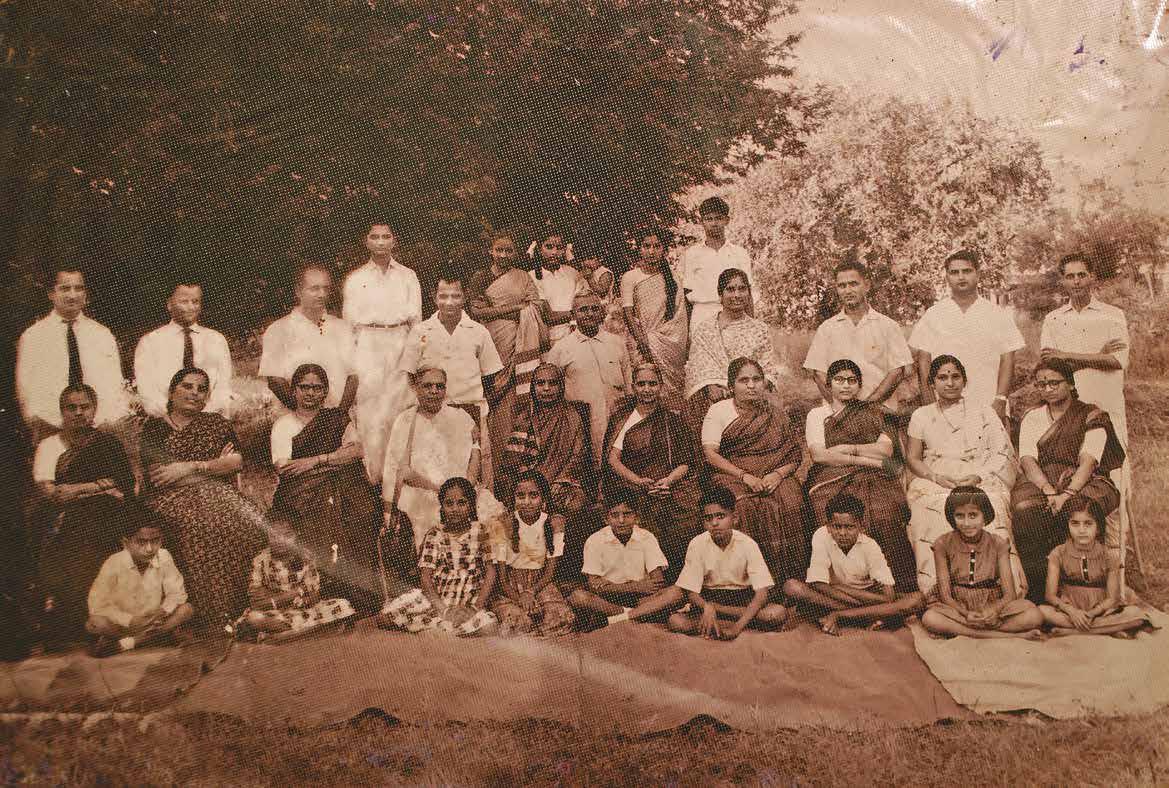
SUVARNA tightened the pleats of her saree, her movements precise and efficient.
There was no time for idle chatter, her eyes fixed on the task at hand. Around her, vessels clattered as she garnished food, preparing offerings for the ancestors.
The calendar nailed to the wall was not Gregorian but a Hindu panchang (almanac), marking the last day of pitra paksha, a fortnight dedicated to remembering one's forefathers. She had been taught that during this period, the veil separating the living and the departed thins out, and in that brief interlude, ancestors watch over their families, awaiting offerings.
It was a Sunday, a reprieve from her responsibilities as director at Wardha Nagrik Bank. And yet, in Wardha, Suvarna is better known as the pramukh (head) of the Rashtra Sevika Samiti, a role that intertwines her personal life with the organisation's mission of nurturing Hindu women as pillars of the nation.
Nothing detracts Suvarna from the duties entrusted by the Samiti. On Monday, with Navratri sthapan arriving early, she walks nearly a kilometre to the Ashtabhuja Mandir, a temple said to have been sculpted under the guidance of Laxmibai Kelkar, who founded the Samiti on October 25, 1936, amid the growing tide of nationalism. This founding moment was no accident; it emerged from Kelkar's determination to create a space for women within the broader Hindutva ecosystem, inspired by Keshav Baliram Hedgewar's Rashtriya Swayamsevak Sangh (RSS), established in 1925. Kelkar, widowed at 27 with eight children, had approached Hedgewar seeking involvement for women in the RSS, but he advised her to form a parallel organisation. Thus, on Vijayadashami in Wardha, the Samiti was born, emphasising women's roles in cultural preservation and national service, distinct yet complementary to the all-male RSS.

هذه القصة من طبعة October 21, 2025 من Outlook.
اشترك في Magzter GOLD للوصول إلى آلاف القصص المتميزة المنسقة، وأكثر من 9000 مجلة وصحيفة.
هل أنت مشترك بالفعل؟ تسجيل الدخول
المزيد من القصص من Outlook
Outlook
'Why GDP Growth Doesn't Always Translate Into Votes'
The recent election results have once again shown that economic growth alone does not guarantee electoral victory.

3 mins
June 06, 2026
Outlook
Lights, Camera, Othering
The establishment of Israel has been accompanied by a national cinema devoted to negating and erasing the Palestinian Other
5 mins
June 06, 2026

Outlook
Goodbye to All That
Booker-winning British author Julian Barnes' Departure(s) is a unique hybrid work: playful, philosophical, whimsical
4 mins
June 06, 2026
Outlook
Collapse of Trust
As the NEET-UG 2026 paper leak forced the cancellation of India’s biggest medical entrance exam, more than 22 lakh aspirants find themselves trapped in uncertainty
11 mins
June 06, 2026
Outlook
NO LONGER A TWELFTH MAN
Bihar cricket, which has languished in the shadows for long, is all set to improve its strike rate, thanks to Vaibhav Sooryavanshi, the new Bihari kid on the block
5 mins
June 06, 2026
Outlook
BLAZE OF GLORY
The challenges of being a celebrity cricketer at a young age can be tough to handle
5 mins
June 06, 2026
Outlook
THE SWASHBUCKLERS
A new generation of fearless stars is emerging and finding its feet at the very top of an extremely competitive cricketing environment
5 mins
June 06, 2026

Outlook
THE TEEN TORNAD
At the age of 15, Vaibhav Sooryavanshi is already a cricketing legend
10 mins
June 06, 2026
Outlook
A Journey to Remember
The prerecorded message crackled over the din in the compartment: ‘Welcome to the Shatabdi Express.
4 mins
June 06, 2026

Outlook
Crossing Borders
Ruth Martin is the translator of German-Iranian author Shida Bazyar’s novel The Nights are Quiet in Tehran (originally written in German), which has been shortlisted for the 2026 International Booker Prize.
4 mins
June 06, 2026
Listen
Translate
Change font size