
استمتع بـUnlimited مع Magzter GOLD
احصل على وصول غير محدود إلى أكثر من 9000 مجلة وصحيفة وقصة مميزة مقابل
يحاول ذهب - حر
HISTORY: Ancient Rome's Pollution Problem
February 14, 2025
|Newsweek US
Lead exposure might sound like a 21st century issue, but people were subjected to significant levels during antiquity too, which affected cognitive development
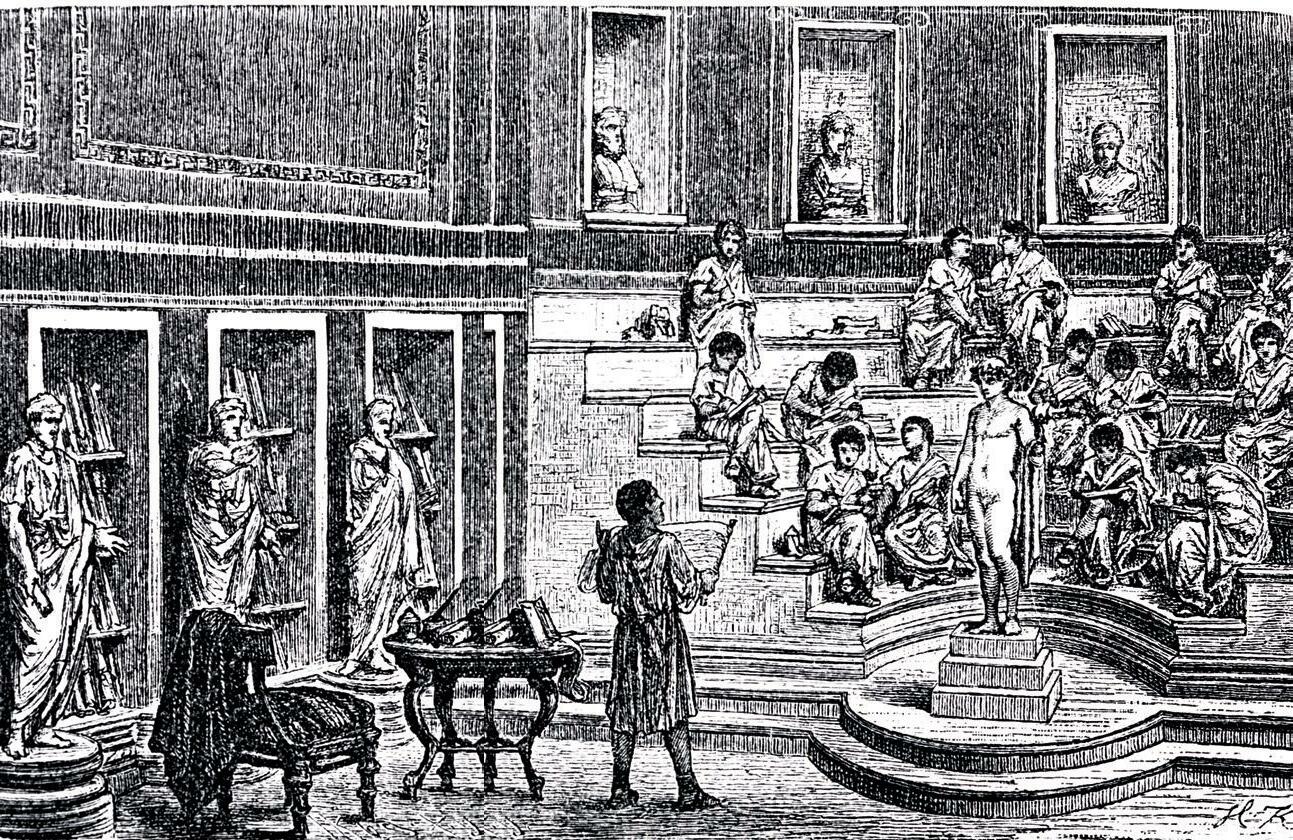
LEAD POLLUTION LIKELY LED to widespread declines in IQ during the ancient Roman era, a study has found.
The negative health effects of lead exposure in modernity have been widely recognized. Over the past 150 years or so, atmospheric lead pollution has largely resulted from burning fossil fuels, particularly the ubiquitous use of leaded gasoline starting in the 1920s-a practice that has now been phased out.
While this might seem like a distinctly modern problem, historical and archaeological evidence-such as ancient texts and skeletal remains indicate that people living across Roman territory thousands of years by a significant part of the ancient Roman economy.
"The Roman period, both the republic and the empire, was among the most important in the history of Western civilization," study lead author Joseph McConnell, with the Desert Research Institute in Reno, Nevada, told Newsweek. "Lead pollution from Roman-era silver mining and smelting arguably is the earliest unambiguous example of large-scale (continental to hemispheric) human impacts on the environment." ago were subjected to significant levels of atmospheric lead exposure that potentially impacted human health.
Although there were a number of exposure routes in antiquity, including the use of glazed tableware, paints, cosmetics and intentional ingestion, the most significant source for the non-elite, rural majority of the population may have been through background air pollution arising from the mining and smelting of silver and lead ores.


هذه القصة من طبعة February 14, 2025 من Newsweek US.
اشترك في Magzter GOLD للوصول إلى آلاف القصص المتميزة المنسقة، وأكثر من 9000 مجلة وصحيفة.
هل أنت مشترك بالفعل؟ تسجيل الدخول
المزيد من القصص من Newsweek US

Newsweek US
JACK WHITEHALL
COMEDIAN JACK WHITEHALL IS TRADING PUNCHLINES FOR THE “GOOD TYPE OF NERVES” in the new series 'The Burbs. In this latest role, the British comedian navigates the “uncomfortable territories” of neighborhood life, a setting he finds surprisingly familiar.

1 mins
February 27 - March 6, 2026

Newsweek US
Out of This World
Elon Musk has made orbital computing—operating data centers in space—central to the future of artificial intelligence, arguing that the next phase of AI will move large amounts of computing infrastructure off Earth.
1 min
February 27 - March 6, 2026

Newsweek US
A WAR OF INCHES
The conflict between Kyiv and Moscow has become one of attrition, analysts say, with both sides paying a high price for small gains
7 mins
February 27 - March 6, 2026

Newsweek US
NEXT-DOOR ENABLER
How Beijing's carefully calibrated support has helped sustain Moscow as it fights Ukraine—without crossing key red lines
4 mins
February 27 - March 6, 2026

Newsweek US
Can Ken Martin Save the Democrats From Themselves?
The party may be winning special elections and polling strongly, yet members remain anxious. A year into his reign, the DNC chair is betting on organizing and infrastructure—not insiders—to turn momentum into power
16 mins
February 27 - March 6, 2026

Newsweek US
WHO WILL STRIKE GOLD AT THE ACADEMY AWARDS?
If you're looking to win your friends' pool, here are our favorites to take home the trophies
3 mins
February 27 - March 6, 2026

Newsweek US
ONE OPINION AFTER ANOTHER
Two-time Oscar winner Sean Penn has always worn his politics on his sleeve. After gaining a sixth Academy Award nomination for One Battle After Another, the actor tells Newsweek about giving his statuette to Volodymyr Zelensky, how Nicolás Maduro should be in prison and why Donald Trump won in 2024
12 mins
February 27 - March 6, 2026

Newsweek US
Out of This World
Elon Musk has made orbital computing—operating data centers in space—central to the future of artificial intelligence, arguing that the next phase of AI will move large amounts of computing infrastructure off Earth. That logic underpinned the merger of SpaceX and xAI in a $1.25 trillion deal, aligning rocket launch capacity with the future needs of AI computing.
1 min
February 27 - March 6, 2026

Newsweek US
OSCARS EMBRACE THE DARK SIDE
With record-breaking nods for Sinners, 2026 marks a shift toward horror. The Academy Awards may have finally gotten over its fear of the macabre
4 mins
February 27 - March 6, 2026

Newsweek US
LOVE IN THE LINE OF FIRE
In Ukraine's front-line city of Kramatorsk, couples separated by war risk brief reunions as Russian forces close in
8 mins
February 27 - March 6, 2026
Listen
Translate
Change font size