
استمتع بـUnlimited مع Magzter GOLD
احصل على وصول غير محدود إلى أكثر من 9000 مجلة وصحيفة وقصة مميزة مقابل
Fern fever
October 2025
|The Field
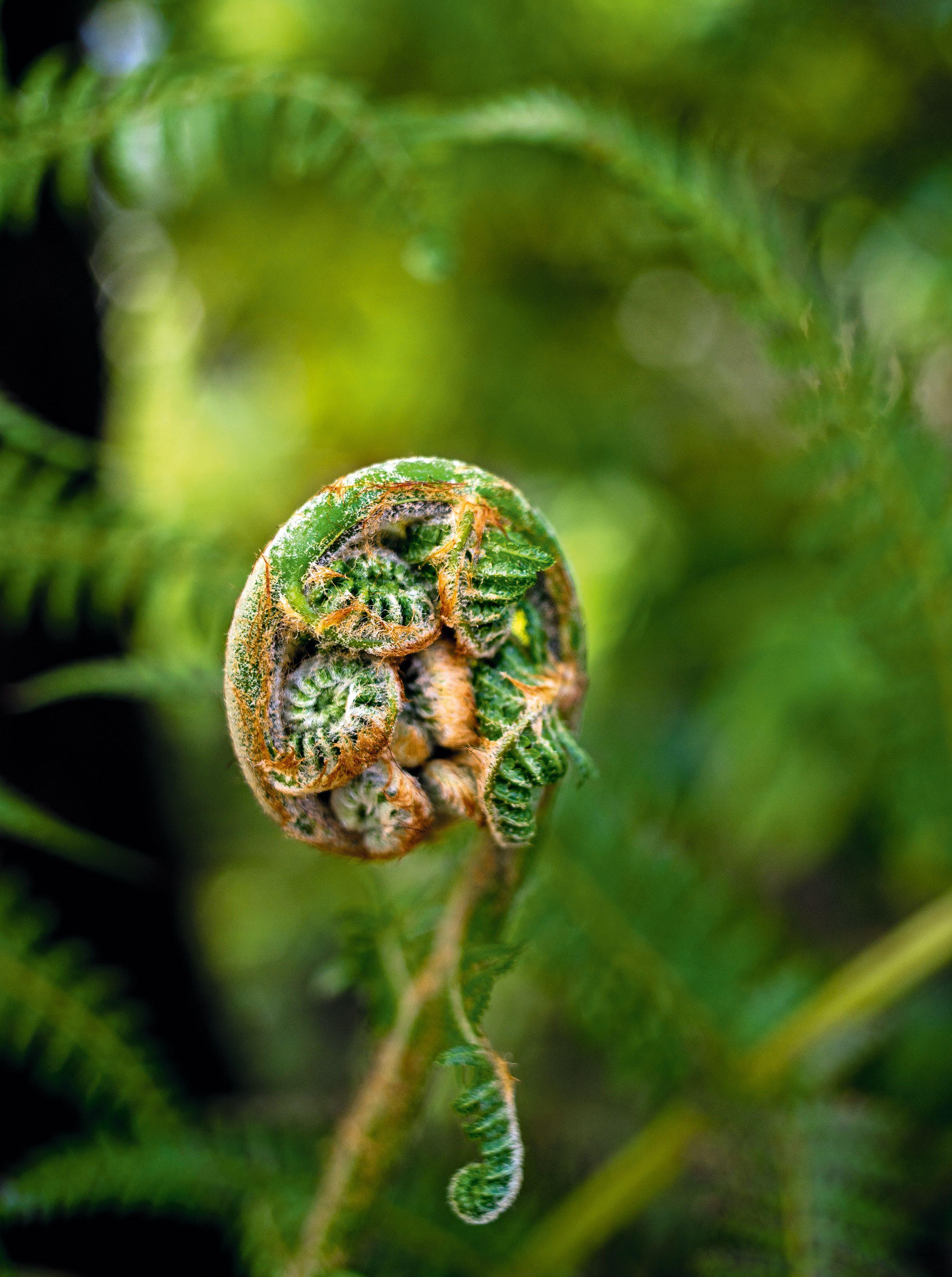
Known as Pteridomania, the mid-19th-century craze for ferns had an impact that stretched far beyond the botanical
ONE OF the strangest events that occurs in the lives of the human species is the eruption of fads.
I chose the verb carefully because fads are a bit like volcanic eruptions - unpredictable and dramatic. In an article written in 2003, Dr Jaap van Ginneken of the University of Amsterdam says 'mainstream psychosocial explanations of mass behaviour fail to understand the sudden and unpredicted speed with which fads tend to come up and fade away'. In short, they defy the understanding of academics. They are a mystery that I find fascinating.
 One botanical fad that many readers will have heard about was what came to be called 'tulipomania'. In 1634, for no known reason, Dutch society, poor and rich, became fanatical about exotic tulips. In a matter of months prices for tulip bulbs rocketed. At its peak in 1636 the price of one bulb was 10 times the yearly pay of a skilled artisan. Then in February 1637 prices suddenly collapsed. Nobody knows why. The tulip bubble had burst. People lost fortunes.
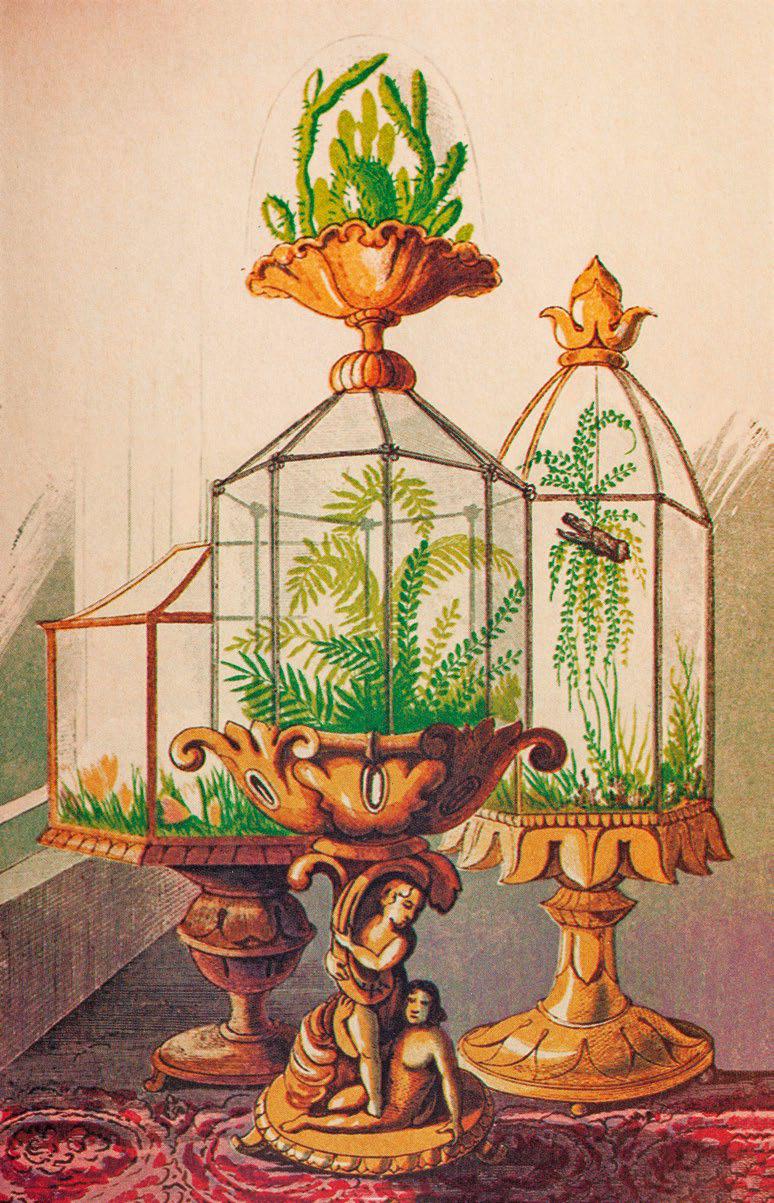
Tulipomania lasted for just three years but another plant fad endured for around eight decades: this time for ferns. It started in Britain, again inexplicably, in the 1830s and was at its height during the second half of the 19th century before petering out in the early 1900s. During that time the craze for collecting and keeping ferns crossed the Atlantic to North America and went as far south as Australia. In his book Glaucus (1855), Charles Kingsley gave it the name 'Pteridomania' (from pterido, the neo-Latin for fern) - 'fern fever'. Support for the craze was eloquently endorsed at the time by


هذه القصة من طبعة October 2025 من The Field.
اشترك في Magzter GOLD للوصول إلى آلاف القصص المتميزة المنسقة، وأكثر من 9000 مجلة وصحيفة.
هل أنت مشترك بالفعل؟ تسجيل الدخول
المزيد من القصص من The Field

The Field
The Holland & Holland Edition by Overfinch
This exquisitely detailed bespoke Range Rover is built for the field and showcases the best in fine British craftsmanship

3 mins
January 2026

The Field
Digging into terrier breeds
From the Jack Russell to the Australian to the Czesky, every one of the 27 recognised terrier types is either native British or has British ancestry
3 mins
January 2026
The Field
100 O years of The Browning B25 Superposed
Often imitated but rarely bettered, Browning's B25 Superposed is among the most influential and enduring shotgun designs in gunmaking history
8 mins
January 2026
The Field
A princely pair
Probably built for the Prince of Lobkowicz and dating to 1727, these handsome flintlocks boast both Spanish and Austrian influence
3 mins
January 2026
The Field
Adventure in a bottle
From lively, zingy Sauvignon Blanc to cassis-laden Cabernet Sauvignon, Chilean wine opens the door to a world of incredible value and diversity
3 mins
January 2026

The Field
Patrick Grant
The Great British Sewing Bee judge, former Savile Row tailor and founder of Community Clothing talks to Amanda Morison about nature, scything and sustainable fashion
4 mins
January 2026

The Field
The ultimate winter warmer
An exhilarating day following the Ross Harriers across picture-perfect Herefordshire countryside proves an ideal way to banish the January blues
7 mins
January 2026
The Field
An impact that can only grow
As a landmark report reveals the impressive environmental, social, economic and health benefits of gardening, Ursula Buchan hopes policymakers are taking note
3 mins
January 2026

The Field
'Karamojo Bell'
The last of his kind, elephant hunter Captain Walter Dalrymple Maitland Bell left an indelible mark on African hunting history, says Sir Johnny Scott
4 mins
January 2026
The Field
Deer manager shortage fears
Plans to make deerstalking training mandatory in Scotland risk leaving the country short of deer managers, rural groups have warned.
1 min
January 2026
Listen
Translate
Change font size