
استمتع بـUnlimited مع Magzter GOLD
احصل على وصول غير محدود إلى أكثر من 9000 مجلة وصحيفة وقصة مميزة مقابل
يحاول ذهب - حر
Datasheet: Linux-Based SBCs
March 2026
|Circuit Cellar
SBCs Running Linux Bring Enterprise Power to the Network's Edge
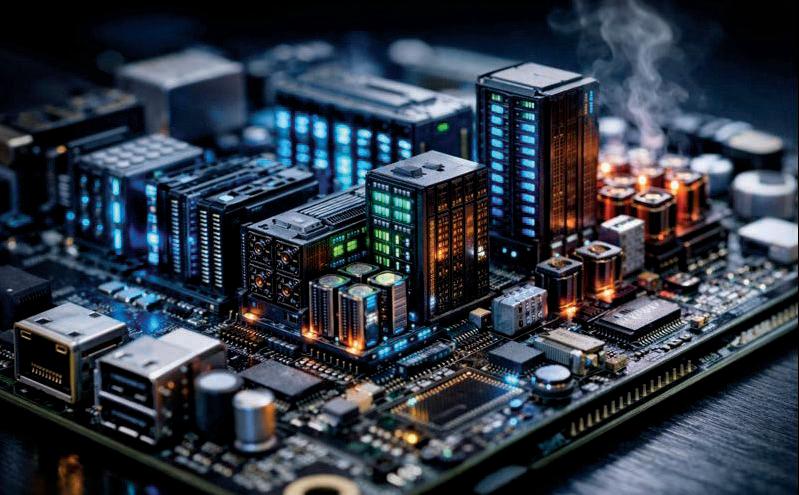
A new generation of single-board computers (SBCs) is putting Linux control and analytics within reach for embedded system engineers working across many different application categories and hardware platforms.
Single-board computers (SBCs) have evolved from niche educational tools into a diverse ecosystem powering everything from home labs to autonomous robots. What began with early hobbyist boards has matured into a sophisticated category of compact, power-efficient systems capable of running full Linux distributions. Today's SBC landscape spans multiple architectures, performance tiers, and application domains, reflecting the growing need for small, reliable, and flexible compute platforms at the edge.
At the center of this ecosystem is the Raspberry Pi 5, a board that continues to define the mainstream SBC experience. Yet the Pi 5 is no longer the only game in town. A new generation of high-performance ARM boards—such as the Orange Pi 5 and Khadas VIM series—has emerged to serve developers who need more CPU power, AI acceleration, or richer multimedia capabilities.
The rise of AI and machine learning has reshaped the SBC category more dramatically than any other trend. NVIDIA's Jetson Orin Nano brings datacenter-class inference performance to palm-sized boards, enabling real-time perception in drones, robots, and industrial inspection systems. These platforms integrate with CUDA, TensorRT, and robotics frameworks, making them a go-to choice for engineers. Meanwhile, boards like the Particle Tachyon blend edge AI with robust connectivity and cloud-native device management, signaling a shift toward integrated, fleet-scale IoT deployments.
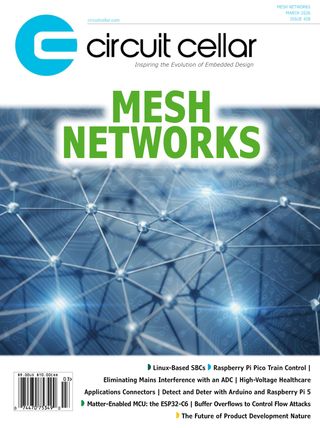

هذه القصة من طبعة March 2026 من Circuit Cellar.
اشترك في Magzter GOLD للوصول إلى آلاف القصص المتميزة المنسقة، وأكثر من 9000 مجلة وصحيفة.
هل أنت مشترك بالفعل؟ تسجيل الدخول
المزيد من القصص من Circuit Cellar
Circuit Cellar
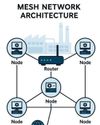
Mesh for Embedded Control
Mesh Networks Are Rewiring Embedded Systems

11 mins
March 2026

Circuit Cellar
A System That Detects, Tracks, and Deters Deer
Using Computer Vision, an Arduino, and a Raspberry Pi 5
14 mins
March 2026

Circuit Cellar
Analog Meets Digital
Part 4: Eliminating Mains Interference with an ADC
19 mins
March 2026

Circuit Cellar
Datasheet: Linux-Based SBCs
SBCs Running Linux Bring Enterprise Power to the Network's Edge
8 mins
March 2026
Circuit Cellar
Running Model Trains Without Human Input
A Raspberry Pi Pico Controls Two Trains
9 mins
March 2026

Circuit Cellar
Inside the Tech: E-Bikes Explained
The Future of Product Developement Nature
5 mins
March 2026

Circuit Cellar
Connector Requirements for High-Voltage Healthcare Applications
Simplifying Safety and Security
9 mins
March 2026
Circuit Cellar
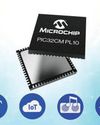
PIC32CM PL10 MCUs Expand Microchip's ARM Cortex-MO+ Portfolio
Building on decades of experience, Microchip Technology has added PIC32CM PL10 MCUs to its PIC32C family of ARM Cortex-M0+ core devices. PL10 MCUs feature a rich set of Core Independent Peripherals (CIPs), 5V operation, touch capabilities, integrated toolsets and safety compliance.
1 mins
March 2026

Circuit Cellar
From Buffer Overflows to Control Flow Attacks
This article extends the January 2026 article by showing a buffer overflow attack that changes a return value. I also discuss the use of the GCC stack protection feature, and demonstrate that it's not always a bulletproof protection method, even if it is better than doing nothing.
7 mins
March 2026
Circuit Cellar
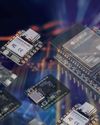
Another Matter-Enabled MCU: the ESP32-C6
The list of MCUs that support the Matter protocol continues to get longer. In this column, Brian goes in-depth on one of the newer Matter-enabled MCUs and shows just how it compares to some of the alternatives now on the market.
21 mins
March 2026
Listen
Translate
Change font size