
استمتع بـUnlimited مع Magzter GOLD
احصل على وصول غير محدود إلى أكثر من 9000 مجلة وصحيفة وقصة مميزة مقابل
يحاول ذهب - حر
Who says what and why they say it
June 2025
|BBC History UK
DAVID RUNCIMAN is impressed by an exploration of how arguments over free speech are often rooted in a desire to close down dialogue
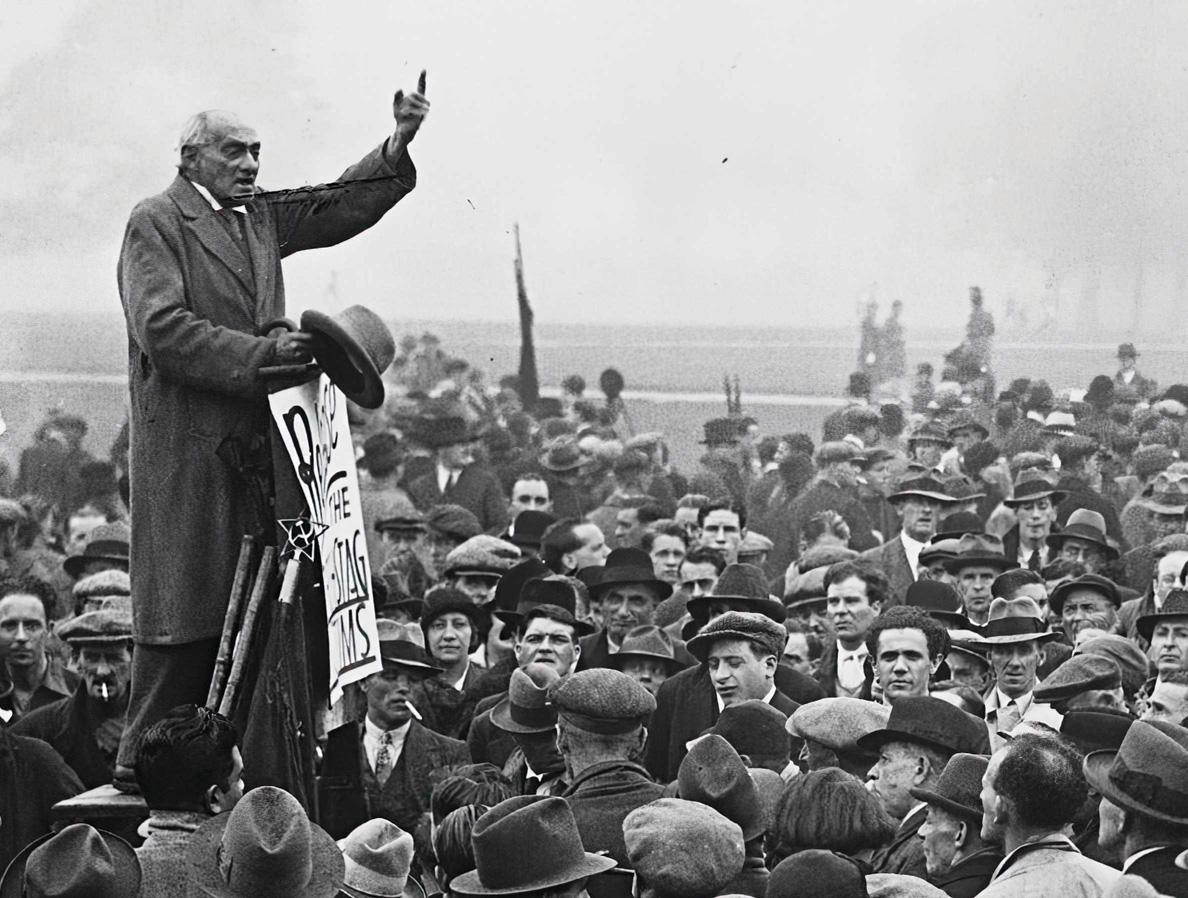
On 27 February, the day before he lectured the Ukrainian president in the Oval Office on the virtues of gratitude, the US vice president, JD Vance, lectured the British prime minister in the same place on the virtues of free speech. Sitting with President Trump, Vance told Keir Starmer that he and his boss were concerned about British censorship of free expression, especially online. “We know that there have been infringements on free speech that actually affect not just the British,” he complained to his visitor, “but also affect technology companies and, by extension, American citizens.” Starmer was not to be cowed. He responded that he had nothing to apologise for. “In relation to free speech in the UK,” he said, “I'm very proud of our history there.”
In fact, it could be argued that both men were being profoundly disingenuous, as is so often the case when high principles of free speech are invoked. Fara Dabhoiwala’s excellent, revisionist history What Is Free Speech? makes clear that free speech absolutists such as Vance are invariably anything but. Dig a little deeper and their uncompromising stance is hedged around with caveats. Usually what they mean is that they believe in free speech for the people they think merit it. Meanwhile, no British leader should get on his high horse about British traditions of liberty of expression. That proud history of which Starmer boasted is deeply compromised by episodes of corruption and repression.

هذه القصة من طبعة June 2025 من BBC History UK.
اشترك في Magzter GOLD للوصول إلى آلاف القصص المتميزة المنسقة، وأكثر من 9000 مجلة وصحيفة.
هل أنت مشترك بالفعل؟ تسجيل الدخول
المزيد من القصص من BBC History UK
History Extra
Drawn to the past
JAMES OSBORNE offers the definitive word on a game that casts players in the role of illustrators creating fantastical images for medieval manuscripts

1 mins
July 2026
History Extra
Young (and old) guns
Well into the 16th century, guns were considered unmanly - the armament of cowards and ne'er-do-wells.
1 mins
July 2026

History Extra
The president and the comedian
Details were sketchy as HistoryExtra went to press, but the latest series from Higher Ground, the production company founded by Barack and Michelle Obama, looks like it could be a hoot.
1 min
July 2026

History Extra
Meet the Boleyns
The cultured charmer, the moneybags lord mayor, the powerful heiress, the scheming uncle. Anne's colourful family shaped the mind and character of the future queen of England, as Tracy Borman reveals
9 mins
July 2026

History Extra
Kyoto in five places
Japan’s imperial capital for 11 centuries remains its most enchanting city. LESLEY DOWNER suggests the most enticing and historic temples, gardens and palaces to visit
3 mins
July 2026
History Extra
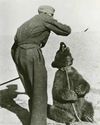
Did a bear once serve in the Polish army?
In 1942, Polish troops making their way through Iran to join the Allied effort in Europe came across a young boy carrying a Syrian brown bear cub, whose mother had been shot by hunters.
1 min
July 2026
History Extra
Voices from the past
What did those who lived through the American Revolutionary War 250 years ago make of the conflict as it unfolded?
1 min
July 2026
History Extra
Is it true that Arthur Conan Doyle helped to solve real-life crime cases?
Inevitably, as the creator of Sherlock Holmes, Conan Doyle was inundated with requests to solve mysteries, often of a criminal nature.
1 mins
July 2026
History Extra
Fight the patriarchy!
The work of modernist novelist Virginia Woolf isn't renowned for delivering laughs.
1 min
July 2026
History Extra
National hero
In 1828, following a distinguished career in European politics and diplomacy, Ioannis Kapodistrias (1776–1831) became the first governor of Greece.
1 min
July 2026
Listen
Translate
Change font size