
استمتع بـUnlimited مع Magzter GOLD
احصل على وصول غير محدود إلى أكثر من 9000 مجلة وصحيفة وقصة مميزة مقابل
يحاول ذهب - حر
"The pope doesn't have to be a great theologian - but he has to be in tune with the zeitgeist"
July 2025
|BBC History UK
In May, the new Pope Leo XIV was chosen by the conclave, a secretive gathering of cardinals with a history stretching back many centuries. Matt Elton spoke to REBECCA RIST about the politics, controversies and far-reaching impacts of past papal elections
-
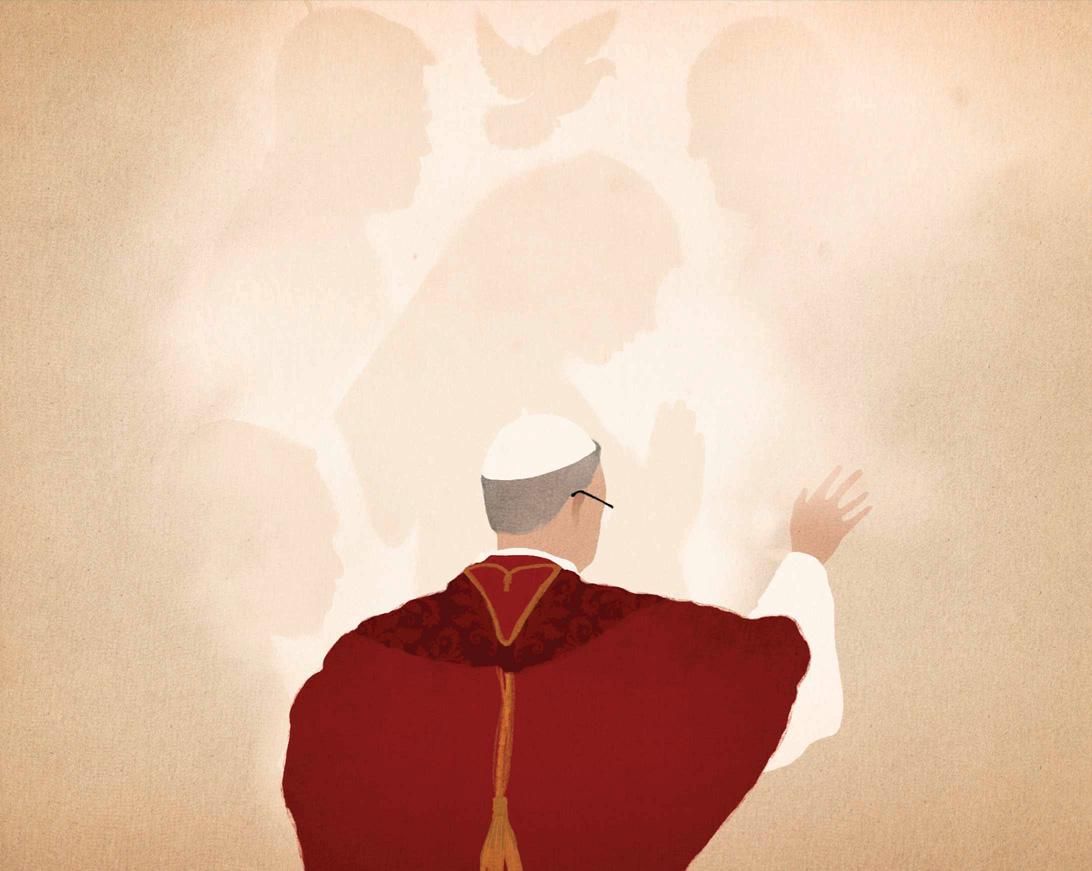
Matt Elton Can you briefly explain the papal conclave, and who's involved?
Rebecca Rist It’s based on the system instituted by Pope Gregory X in the 13th century. After the death of a pontiff, members of the College of Cardinals — a select group of Catholic senior prelates appointed by the pope and aged under 80 - gather from all over the world to elect a replacement. These senior clergy, on whom the choice of the next pope hinges, are sequestered - locked in the Sistine Chapel [‘conclave’ derives from cum clave, ‘with a key’] - until they reach a two-thirds majority vote.
White smoke is then sent up to announce to Rome that the new pope has been selected, and he’s presented on the Vatican balcony with the words “Habemus Papam” [“We have a pope”].
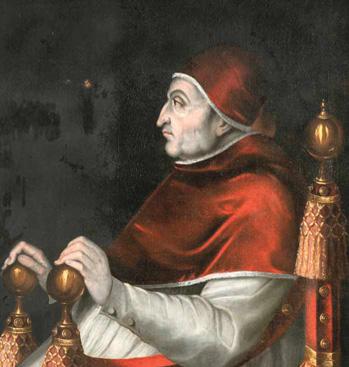 How were popes selected before conclaves were introduced?
From the early Middle Ages, German kings and emperors had a hand in this - particularly Holy Roman Emperors after Charlemagne. Sometimes popes were acclaimed, put in by the Roman populace and the Roman clergy. And sometimes the Roman aristocracy was most influential: important families such as the Orsini, from whom five popes were appointed between the eighth and 18th centuries, as well as dozens of cardinals.

هذه القصة من طبعة July 2025 من BBC History UK.
اشترك في Magzter GOLD للوصول إلى آلاف القصص المتميزة المنسقة، وأكثر من 9000 مجلة وصحيفة.
هل أنت مشترك بالفعل؟ تسجيل الدخول
المزيد من القصص من BBC History UK

History Extra
Drawn to the past
JAMES OSBORNE offers the definitive word on a game that casts players in the role of illustrators creating fantastical images for medieval manuscripts

1 mins
July 2026
History Extra
Young (and old) guns
Well into the 16th century, guns were considered unmanly - the armament of cowards and ne'er-do-wells.
1 mins
July 2026

History Extra
The president and the comedian
Details were sketchy as HistoryExtra went to press, but the latest series from Higher Ground, the production company founded by Barack and Michelle Obama, looks like it could be a hoot.
1 min
July 2026

History Extra
Meet the Boleyns
The cultured charmer, the moneybags lord mayor, the powerful heiress, the scheming uncle. Anne's colourful family shaped the mind and character of the future queen of England, as Tracy Borman reveals
9 mins
July 2026

History Extra
Kyoto in five places
Japan’s imperial capital for 11 centuries remains its most enchanting city. LESLEY DOWNER suggests the most enticing and historic temples, gardens and palaces to visit
3 mins
July 2026
History Extra
Did a bear once serve in the Polish army?
In 1942, Polish troops making their way through Iran to join the Allied effort in Europe came across a young boy carrying a Syrian brown bear cub, whose mother had been shot by hunters.
1 min
July 2026
History Extra
Voices from the past
What did those who lived through the American Revolutionary War 250 years ago make of the conflict as it unfolded?
1 min
July 2026
History Extra
Is it true that Arthur Conan Doyle helped to solve real-life crime cases?
Inevitably, as the creator of Sherlock Holmes, Conan Doyle was inundated with requests to solve mysteries, often of a criminal nature.
1 mins
July 2026

History Extra
Fight the patriarchy!
The work of modernist novelist Virginia Woolf isn't renowned for delivering laughs.
1 min
July 2026

History Extra
National hero
In 1828, following a distinguished career in European politics and diplomacy, Ioannis Kapodistrias (1776–1831) became the first governor of Greece.
1 min
July 2026
Listen
Translate
Change font size