
استمتع بـUnlimited مع Magzter GOLD
احصل على وصول غير محدود إلى أكثر من 9000 مجلة وصحيفة وقصة مميزة مقابل
يحاول ذهب - حر
The Grand Tourer
September 2025
|Best of British
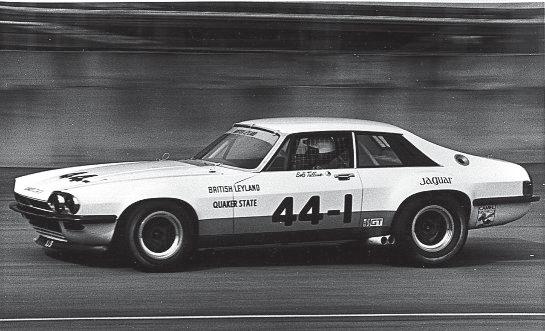
François Prins pays tribute on the 50th anniversary of the highly sought-after Jaguar XJ-S
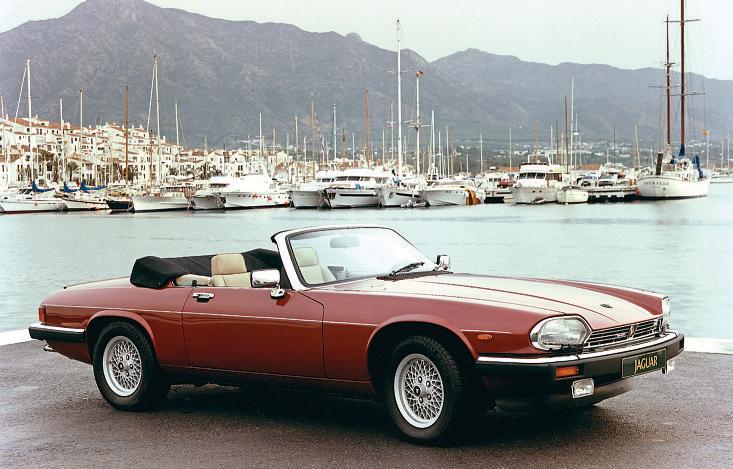
Jaguar Cars unveiled the E-Type in Geneva in 1961. It was an immediate success, and the factory had to work hard to keep up with the demand. Sales may have been excellent but, in the fast-moving automotive industry, a follow-on was required. As early as May 1967, Jaguar was working on the next generation of models and a programme was in place.
Engineer Malcolm Sayer, who had designed the original E-Type, was tasked with modifying the design for the future and for a replacement based around the forthcoming Jaguar XJ saloon platform. Dictating the new programme was the newly proposed US safety regulations which, at the time, looked like outlawing open-top cars. Consequently, the new car was being styled as a closed coupe with no soft-top option being considered. In the event, the US proposal was dismissed in 1974 but work on the new Jaguar was well advanced by that time.
Sayer submitted his design brief to Jaguar Cars managing director Sir William Lyons on 9 September 1968 for a two-plus-two sports car based on a shortened XJ saloon platform. The two men worked on the design as they both wanted the new Jaguar to surpass all other contenders and to be as eye-catching as possible.
Sir William later commented: “We decided from the very first that aerodynamics were the prime concern, and I exerted my influence in a consultative capacity with Malcolm Sayer. Occasionally, I saw a feature that I did not agree with and we would discuss it. I took my influence as far as I could without interfering with his basic aerodynamic requirements. He and I worked on the first styling models together. We originally considered a lower bonnet line, but the international regulations on crush control and lighting made us change and we started afresh.”

هذه القصة من طبعة September 2025 من Best of British.
اشترك في Magzter GOLD للوصول إلى آلاف القصص المتميزة المنسقة، وأكثر من 9000 مجلة وصحيفة.
هل أنت مشترك بالفعل؟ تسجيل الدخول
المزيد من القصص من Best of British
Best of British
The Medway Queen Club
Richard Halton recalls a little ship of Dunkirk's time as a nightclub

6 mins
May 2026

Best of British
Red Giant
Chris Hallam pays tribute to a co-creator of Red Dwarf
5 mins
May 2026
Best of British
Freddie in the Overworld
Philip and David Williams investigate Freddie Garrity's life beyond the Dreamers
5 mins
May 2026
Best of British
Looking Back (in Anger)
Colin Mayo celebrates the 70th anniversary of John Osborne's groundbreaking play
5 mins
May 2026
Best of British
BACK INSIDE THE TARDIS
Oliver Crocker travels back in time to explore the 1996 Doctor Who TV movie
12 mins
May 2026
Best of British
Spymaster
Chris Hallam pays tribute to spy writer and cookery expert Len Deighton
5 mins
May 2026
Best of British
BACK IN TIME WITH COLIN BAKER
BoB's very own Time Lord recalls corpsing in front of an audience of one, and how his return to Doctor Who on TV was a heartening experience
2 mins
May 2026

Best of British
RAINING CHAMPIONS
The nearest I get to watching the Eurovision Song Contest these days is pointing the remote control at the screen to change channels the moment I hear the opening notes of Te Deum.
1 mins
May 2026
Best of British
Better Than the Captain's Table
Simon Stabler visits a pair of Brighton dining favourites
2 mins
May 2026
Best of British
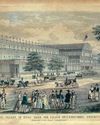
The Great Exhibition
Michael Montagu celebrates the beginning of the Crystal Palace and draws on his family's accounts of its destruction
9 mins
May 2026
Listen
Translate
Change font size