
استمتع بـUnlimited مع Magzter GOLD
احصل على وصول غير محدود إلى أكثر من 9000 مجلة وصحيفة وقصة مميزة مقابل
يحاول ذهب - حر
MUKDEN 1905
Issue 159
|All About History UK
MUKDEN, MANCHURIA, CHINA 23 FEBRUARY - 10 MARCH 1905
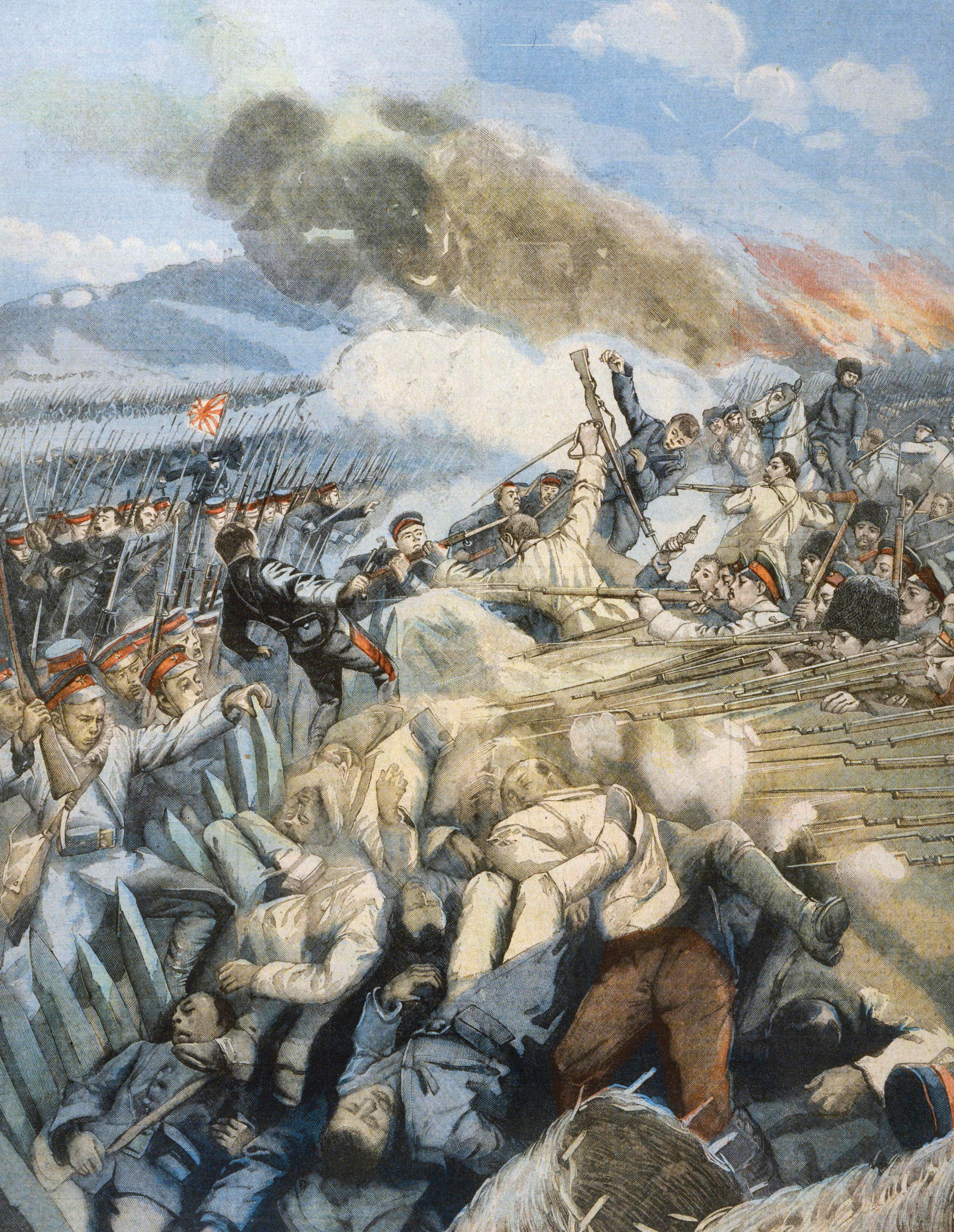
In 1904, the long-simmering tensions between the Russian and Japanese Empires over control of the Chinese region of Manchuria finally boiled over into a full-blown conflict.
Following Japan's victory in the Sino-Japanese War of 1895, the European powers, led by Russia, had pressured the victorious Japanese into relinquishing their territorial gains in the region. This included giving up control of the Liaodong Peninsula and the strategic naval base of Port Arthur, which the Russians coveted as an ice-free alternative to their main Pacific base at Vladivostok.
For resource-poor Japan, control over the bustling markets and vast raw materials of Manchuria was both a matter of national pride and a strategic imperative. In 1899, US Secretary of State John Hay proposed an 'Open Door' trade policy in China that seemed to offer a diplomatic solution. However, Russia largely ignored the policy and used the Boxer Rebellion of 1900 as an opportunity to strengthen its economic and military presence in Manchuria, much to the anger of the Japanese.
In February 1904, after a long series of failed negotiations and worsening relations, Japan launched a surprise attack on the Russian fleet in Port Arthur. They quickly secured control of the Yellow Sea and began landing troops. Port Arthur was placed under siege, and from their bases in Korea, Japanese forces moved to cut off the entire Liaodong Peninsula, preventing Russian forces from relieving the town.
Although the Russians were caught off-guard by Japan's bold attack, they saw it as a temporary setback in what would ultimately be a crushing victory. Some in St Petersburg even welcomed the outbreak of hostilities, believing that a short, victorious war would restore faith in the tsarist regime. Most foreign observers shared this perspective, reasoning that a poor Asian nation stood little chance against the limitless resources of the world's largest country.

هذه القصة من طبعة Issue 159 من All About History UK.
اشترك في Magzter GOLD للوصول إلى آلاف القصص المتميزة المنسقة، وأكثر من 9000 مجلة وصحيفة.
هل أنت مشترك بالفعل؟ تسجيل الدخول
المزيد من القصص من All About History UK
All About History UK
LOOS
PAS DE CALAIS, FRANCE 25 SEPTEMBER - 13 OCTOBER 1915

13 mins
Issue 170

All About History UK
VIKING BATTLE FOR SCOTLAND
How Orkney and Shetland became the centre of the Viking world and their last outpost
5 mins
Issue 170
All About History UK
FINDING THE LOST COLONY
Professor Mark Horton explains how the ‘mystery’ of the lost colony at Roanoke was solved
4 mins
Issue 170

All About History UK
THE CORINTHIANS: WE WERE THE CHAMPIONS
A remarkable tale from the wilderness of women's football in England
2 mins
Issue 170
All About History UK
PREDICTING THE FUTURE
A new book explores the global history of prophecies, omens and fortune telling
2 mins
Issue 170

All About History UK
BATTLE FOR AMERICA
Discover how the burning flame of liberty spread through the colonies to defeat an empire
13 mins
Issue 170

All About History UK
NATIVES AND SETTLERS
Meet ten of the most important and influential people who helped shape the American colonies
4 mins
Issue 170

All About History UK
THE WOMEN WHO FOUGHT DRAGONS AND WON
Historian and author Jasmine Elmer discusses the history and mythology of female dragon slayers
10 mins
Issue 170
All About History UK
ROBINSON HALF CHEST
On the night of the Boston Tea Party, 340 tea chests were thrown into the harbour - now only two survive
1 mins
Issue 170

All About History UK
REGENCY Style
Unravel the real-life fashions of the era
8 mins
Issue 170
Listen
Translate
Change font size