يحاول ذهب - حر
THE BANKING SECTOR IS IN A TRANSFORMATIONAL PHASE. LEADING THIS IS THE STATE BANK OF INDIA, WHICH WAS NAMED THE WORLD'S BEST CONSUMER BANK 2025 BY GLOBAL FINANCE, AND ACCOUNTS FOR 20% OF INDIA'S GDP. CHAIRMAN C.S. SETTY SPEAKS ON HOW SBI IS ALTERING ITS DNA TO KEEP UP WITH THE TIMES.
November 2025
|Fortune India
We are in the midst of geopolitical turbulence. As a banker and chairman of the country's largest bank, how do you see India's economy weathering the storm?
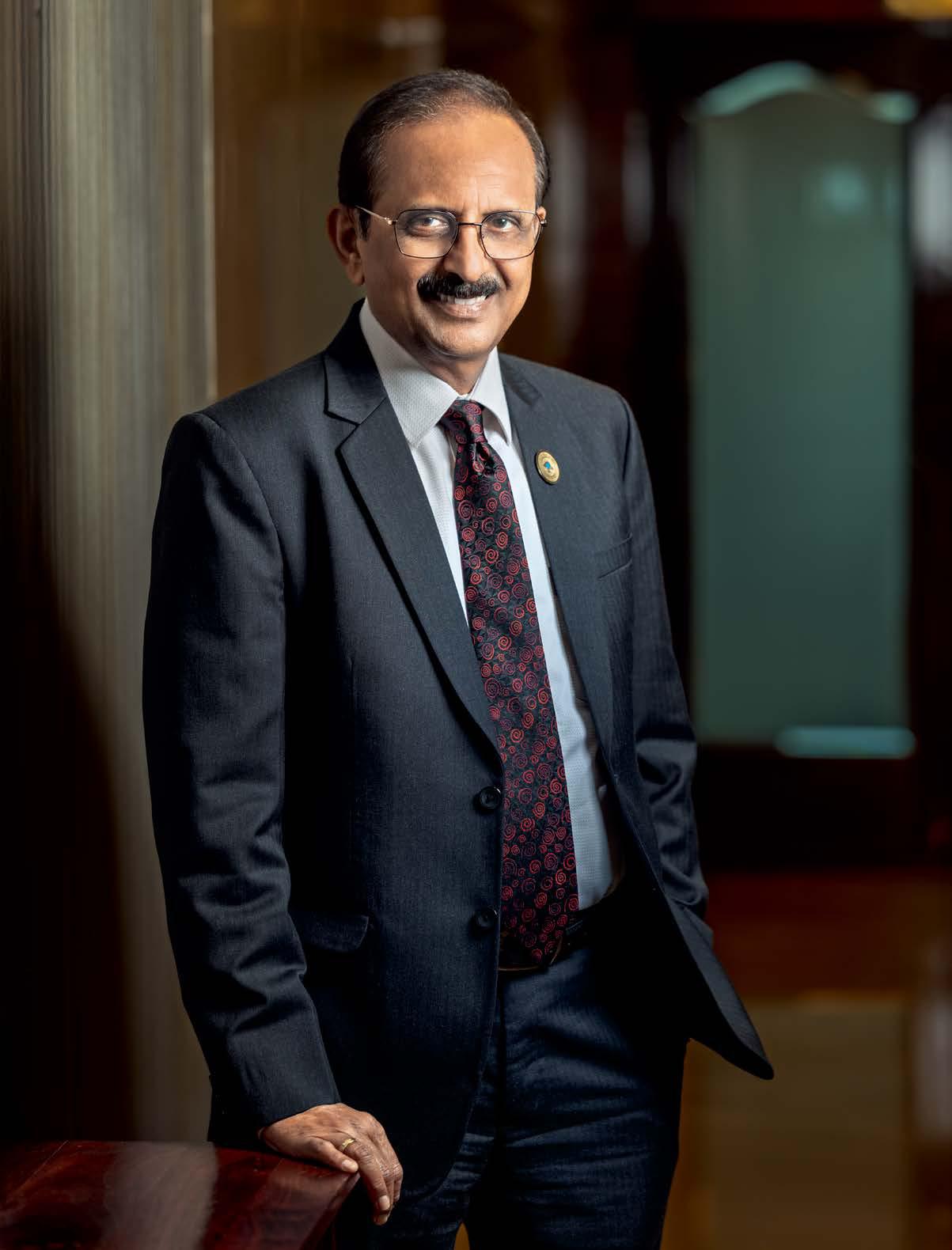
Over the past five years, we have had Covid, global uncertainty in terms of disruptions, supply-chain issues, and trade shifts happening because of tariff barriers. But all through this, the Indian economy has stayed resilient. We have weathered uncertainties much better than many other countries globally. Though India is not decoupled from global disruptions, our economy is primarily driven by domestic consumption, not exports. While there will be some impact of the tariffs, I'm sure policymakers, regulators, and banks will work together to ensure that the sectors impacted are protected from any potential damage if the tariff issue is not resolved. But I'm confident that government-level intervention will result in some kind of resolution on the tariffs.
The government is now pushing capex, but India Inc. is taking its time to get back its animal spirits. How are you coping with this?
I believe the twin-balance-sheet problem has become a twin-balance-sheet advantage now. In fact, some people say it's a triple-balance-sheet advantage because the government balance sheet is also cleaner now, and fiscal management is stronger. This means the economy is primed for capital investment. Another interesting feature is that most of the core sector is working at about 75% capacity utilisation, which means it's the right time for expansion.
So, what's holding them up?
Obviously, we've had a series of disruptions. It's not that private capex isn't happening. It is happening in renewables, roads, data centres, and quite a few others. But the core sector used to consume very large credit, and they are holding up for some time. Two reasons: they want to see sustained consumption demand coming back, and most of these companies, with automation and technology, can operate at higher capacity utilisation without worrying about disruptions. Tech is helping them delay capital expenditure.
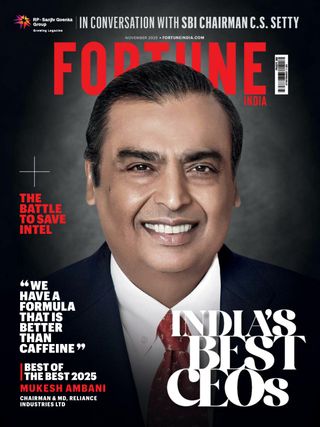

هذه القصة من طبعة November 2025 من Fortune India.
اشترك في Magzter GOLD للوصول إلى آلاف القصص المتميزة المنسقة، وأكثر من 9000 مجلة وصحيفة.
هل أنت مشترك بالفعل؟ تسجيل الدخول
Listen
Translate
Change font size