يحاول ذهب - حر
The hidden cost of poor health management
July 3-10, 2026
|Farmer's Weekly
The most damaging livestock losses are often the ones farmers do not immediately see. Veterinarian Dr Dave Midgley explained to Glenneis Kriel how good health management protects productivity, fertility, and long-term farm performance. Prevention, planning and veterinary partnerships go a long way towards safeguarding production and profit.
-
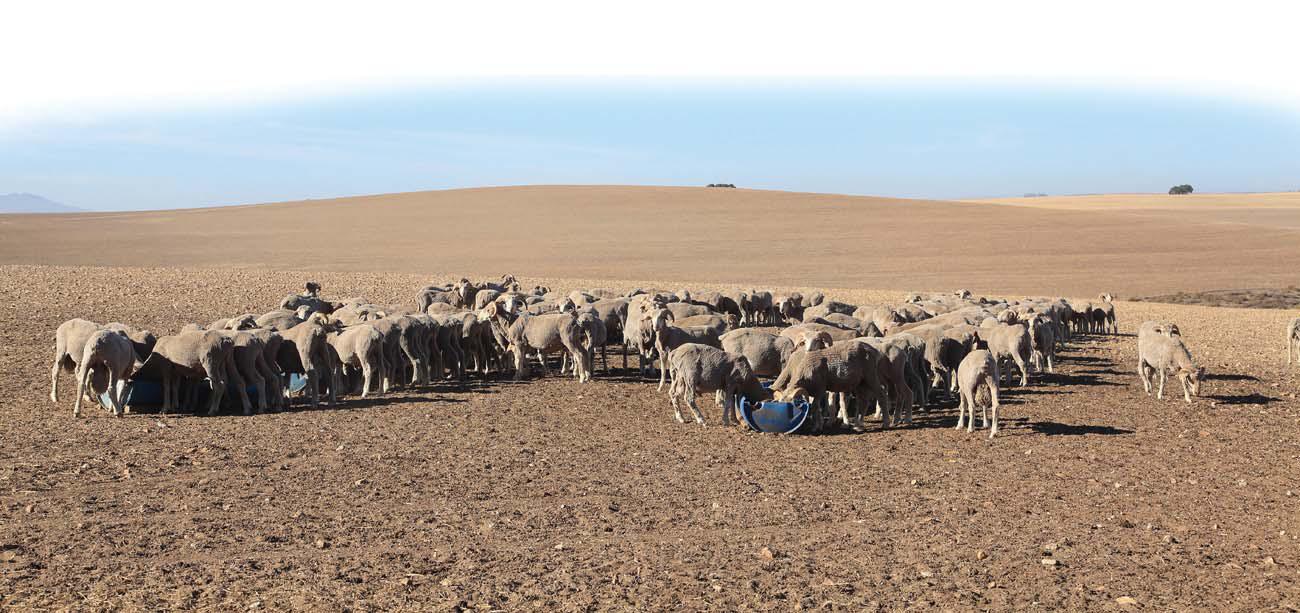
On a livestock farm, the biggest losses rarely arrive with drama. They creep in quietly — a ewe that eats less, a calf that lags, a ram that never quite fires. These small signs are often dismissed as part of farming, yet Dr Dave Midgley, CEO of the Ruminant Veterinary Association of South Africa, warns that they mark the start of real costs.
“Healthy animals are supposed to stay healthy. If they’re getting sick, the system has already failed,” he says.
It is not said as criticism, but as diagnosis of the system, not the farmer. And it sets the tone for how he sees livestock production; not as a series of individual treatments, but as a continuous effort to prevent breakdown.
“I don’t see my role as a veterinarian as being to doctor sick animals, but to keep healthy animals healthy because healthy animals produce and reproduce much better than sick animals.”
THE ANIMAL THAT LOOKS FINE
An animal that dies on the farm is a clear and costly loss. But animals that are subclinically ill, or only partially recover, can be just as damaging by quietly eroding profitability over time. The impact is often seen first in production.
According to Midgley, disease and the stress associated with it can reduce both the quantity and quality of output.
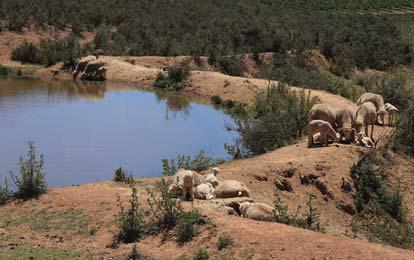 In wool sheep, illness can result in lower wool yields and increased wool break. In meat-producing animals, it can slow growth rates, increase finishing times, and reduce carcass weight and meat quality. Dairy cows and reproductive females (ewes and beef cows) may produce less, and lower-quality milk.
The longer-term effects are often less visible. Midgley explains that a cow may appear healthy after recovering from a reproductive infection, yet fail to conceive consistently thereafter.

هذه القصة من طبعة July 3-10, 2026 من Farmer's Weekly.
اشترك في Magzter GOLD للوصول إلى آلاف القصص المتميزة المنسقة، وأكثر من 9000 مجلة وصحيفة.
هل أنت مشترك بالفعل؟ تسجيل الدخول
المزيد من القصص من Farmer's Weekly

Farmer's Weekly
Baked coconut pudding with passion fruit sauce
A custardy twist on traditional lemon delicious, this pudding can even be made on the braai.

1 mins
July 3-10, 2026
Farmer's Weekly
More than space: designing pig housing systems for the future
As South Africa's pig industry prepares for the transition away from gestation crates, producers will need to rethink far more than floor space. Research shows that the success of group housing depends on how housing design, feeding systems, ventilation, stocking density and day-to-day management work together to support both welfare and productivity.
7 mins
July 3-10, 2026
Farmer's Weekly
Managing herbicide resistance
Herbicide-resistant weeds are becoming a serious challenge for farmers and the agriculture sector globally. Magda du Toit asked industry experts how farmers can manage this problem.
5 mins
July 3-10, 2026
Farmer's Weekly
Ageing orchards and soaring costs pose challenge for guava growers
Guava orchard establishment costs have reached over R199 000/ha. This surge puts pressure on growers, as over half of South Africa’s orchards surpass 40 years in age.
2 mins
July 3-10, 2026
Farmer's Weekly
Integrated pest management reduces risk without lowering productivity
Controlling insects is becoming a science on its own, and with mounting pressure from environmentalists and consumers, farmers need to look at softer and more environmentally friendly methods to combat insect pests. Magda du Toit investigates.
4 mins
July 3-10, 2026

Farmer's Weekly
The Great American bison slaughter
From 1850 to 1890, the population of bison roaming North America were reduced from an estimated 30 million to 60 million to fewer than a thousand. Mike Burgess uncovers the reasons why and how a species was hunted to the brink of extinction.
3 mins
July 3-10, 2026

Farmer's Weekly
Unlocking inclusive agricultural growth
Partnerships between financial institutions, commodity associations, agricultural trusts, and government could help unlock opportunities for emerging farmers, says Dr Sifiso Ntombela.
2 mins
July 3-10, 2026

Farmer's Weekly
A collection of comforting winter warmers
Whether your house is bursting with children on holiday, you're taking a break yourself, or you just need to reward yourself with a good book, Patricia McCracken has selected these titles to warm your winter days.
3 mins
July 3-10, 2026

Farmer's Weekly
New agri careers in science and technology
Agriculture's future lies in interdisciplinary STEM (science, technology, engineering and mathematics) careers. Petri de Beer explores the growing range of science- and technology-driven opportunities across the sector.
3 mins
July 3-10, 2026

Farmer's Weekly
Pig nutrition: the right diet for every stage of production
Understanding the nutritional needs of pigs at different stages of production is essential for maintaining animal health, improving growth rates and ensuring profitable production
2 mins
July 3-10, 2026
Listen
Translate
Change font size