يحاول ذهب - حر
Renewable Reckoning
EP_23_02 (Energy & Power Vol 23 Issue 02 July 1, 2025)
|Energy & Power
Despite impressive strides in boosting power generation, Bangladesh has fallen behind in its transition to clean energy. Fossil fuels still dominate, making up 98% of electricity output, while renewables barely register. The new Renewable Energy Policy 2025 sets ambitious goals, 20% by 2030 and 30% by 2040, but familiar problems persist: weak institutions, patchy policies, shaken investor confidence, and sluggish follow-through. The sudden cancellation of 37 solar projects hasn't helped. Experts say this is a make-or-break moment—act now, empower SREDA, fix what's broken, or miss the clean energy train again.
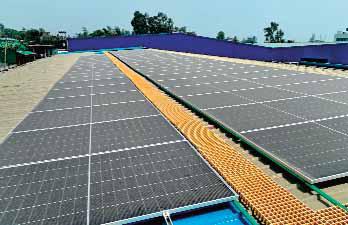
Over the past three decades, Bangladesh's power and energy sector has undergone a remarkable transformation, backed by massive investments and driven by a national ambition to modernize. The installed electricity generation capacity surged from just 3,301 megawatts in 1996 to an impressive 27,424 megawatts by June 2025. Yet, amid this progress, renewable energy, a vital pillar of sustainable growth, has not received the focused attention it deserves. Despite years of policy discussions and lofty ambitions, the failure to follow through with practical implementation has caused the share of renewables in total electricity generation to slip. Back in 1996, the country's lone hydropower plant contributed 230 megawatts, about 7% of installed capacity. That share has now declined to 5.6%, despite the passage of time and technological advancement.
When it comes to actual energy generation, fossil fuels continue to dominate. Last year, they accounted for a staggering 98% of all electricity produced, while renewables contributed a mere 2%. The Sustainable and Renewable Energy Development Authority (SREDA) reports that Bangladesh's current renewable electricity generation capacity stands at 1,572 megawatts, including the same 230 megawatts from hydropower that has remained unchanged since 1996. Solar accounts for the lion's share at 81.3%, followed by hydropower at 14.6% and wind at 4%. Of this total, 380.24 megawatts comes from non-grid sources, mostly small-scale solar, and 1,196.86 megawatts from grid-connected projects. While this brings the installed renewable capacity to around 8%, the real story on the ground tells a more sobering tale. The once-celebrated spread of 6.0 million solar home systems has faded, with the majority now nonfunctional. As a result, the International Renewable Energy Agency (IRENA) estimates the true operational share to be only 5.6%.

هذه القصة من طبعة EP_23_02 (Energy & Power Vol 23 Issue 02 July 1, 2025) من Energy & Power.
اشترك في Magzter GOLD للوصول إلى آلاف القصص المتميزة المنسقة، وأكثر من 9000 مجلة وصحيفة.
هل أنت مشترك بالفعل؟ تسجيل الدخول
المزيد من القصص من Energy & Power

Energy & Power
Centara Advances Climate Action Initiatives in Maldives
Centara Hotels & Resorts reported measurable environmental and community impacts at The Atollia in the Maldives, highlighting progress in renewable energy, waste reduction, and ecosystem protection.

1 min
EP_23_16 (Energy & Power Vol 23 Issue 16 Feb 1, 2026)
Energy & Power
Afghanistan Seeks Azerbaijan's Support for COP31 Participation
Afghanistan is seeking Azerbaijan’s support to help secure its offi cial participation in the upcoming United Nations COP31 global climate change conference, scheduled to be held in Türkiye, as Kabul looks to strengthen its engagement on climate diplomacy and technical cooperation.
1 min
EP_23_16 (Energy & Power Vol 23 Issue 16 Feb 1, 2026)
Energy & Power
Long-Term Energy Strategy Prepared to Ensure Fuel Security: Salehuddin
Finance Adviser Dr Salehuddin Ahmed recently said the government has a long-term prepared energy strategy recognizing fuel security as one of Bangladesh's challenges.
1 min
EP_23_16 (Energy & Power Vol 23 Issue 16 Feb 1, 2026)
Energy & Power
Power Division Seeks Tk 24.48b in Urgent Subsidy
The Division Power has urgently sought Tk 24.48 billion in subsidies against tariff deficit as letter of credit (LC) complexities are disrupting coal and fuel imports, say sources.
1 min
EP_23_16 (Energy & Power Vol 23 Issue 16 Feb 1, 2026)
Energy & Power
68% of Global Oil Production Concentrated in Countries Exposed to US Pressure
A new analysis by 350.org and Zero Carbon Analytics finds that 68% of global oil production is impacted by US aspirations to dominate the world's oil and gas markets.
1 min
EP_23_16 (Energy & Power Vol 23 Issue 16 Feb 1, 2026)
Energy & Power
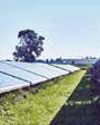
Norway Adds 117 MW of Solar in 2025
Norway installed 117 MW of solar in 2025, according to figures published by the Norwegian Water Resources and Energy Directorate (NVE).
1 min
EP_23_16 (Energy & Power Vol 23 Issue 16 Feb 1, 2026)
Energy & Power
Efforts Underway to Meet Addl Power Demand During Coming Irrigation Season
The government has started taking measures to ensure uninterrupted power supply for the coming irrigation season as the power consumption during the boro cultivation jumps up to additional 5,000MW.
1 min
EP_23_16 (Energy & Power Vol 23 Issue 16 Feb 1, 2026)

Energy & Power
Empowering Communities Sustainable Progress Innovation
Summit Power International is transforming Bangladesh's infrastructure with innovative solutions across sectors. Backed by global partnerships and foreign investments, we set new standards in development. At Summit, we empower communities and build a stronger, more prosperous future.
16 mins
EP_23_16 (Energy & Power Vol 23 Issue 16 Feb 1, 2026)
Energy & Power
As Japan Declares Snap Elections, 350.org Calls for Progress on Climate Measures
Japanese Prime Minister Sanae Takaichi recently dissolved the House of Representatives and announced that snap elections will be held on February 8.
1 min
EP_23_16 (Energy & Power Vol 23 Issue 16 Feb 1, 2026)
Energy & Power
Heavy Dependence on Imported Fossil Fuels Driving Economic Risks: Study
Bangladesh's heavy dependence on imported fossil fuels is driving significant economic risks, including reduced GDP and heightened inflation, while disproportionately impacting the country's poorest households, according to a year-long research study.
1 min
EP_23_16 (Energy & Power Vol 23 Issue 16 Feb 1, 2026)
Listen
Translate
Change font size