
استمتع بـUnlimited مع Magzter GOLD
احصل على وصول غير محدود إلى أكثر من 9000 مجلة وصحيفة وقصة مميزة مقابل
Preventing Afterswarms
August 2025
|The Country Smallholder
Claire Waring describes steps to stop casting if you have lost the prime swarm
-
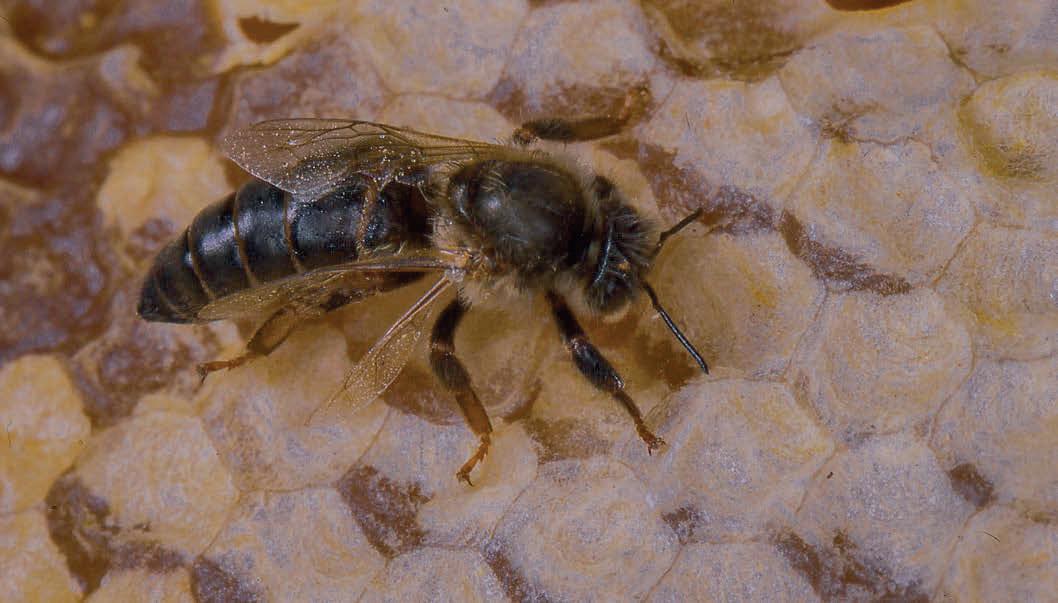
We have considered how to control swarms and what is involved in catching and hiving a swarm. Of course, we all know that swarms have always come from someone else’s bees but, inevitably, it will happen in one of your colonies. The important thing then is to make sure that you don’t lose any more bees in an afterswarm or cast.
THE SITUATION IN THE HIVE
When the colony has swarmed, what remains is queenless but it contains a potential replacement in the form of queen cells.
Option 1 is to do nothing. The first virgin queen to hatch will leave the hive with about half of the remaining bees in an afterswarm. This will be repeated as subsequent virgins emerge until the colony ‘decides’ that to lose any more bees will deplete it to a point where it will struggle to survive. At this point, the next virgin that hatches will visit the other queen cells and sting the occupants to death through the cell wall. She and/or the workers will then tear down the cells.
The colony is then in a position where its survival depends on this queen mating successfully, returning to the hive and starting to lay. This seems a rather risky way of going about things as all the colony’s eggs are in one basket so to speak, but that’s the way things are!
The prime (first) swarm leaves round about the time the first queen cell is sealed. That means the first virgin will hatch seven days later. Consider an egg laid just before the old queen departs. When the first virgin hatches, that larva will be four days old, too old to be raised as a queen. Hence, if the virgin is lost or fails to mate properly, the colony is hopelessly queenless and, without intervention from the beekeeper, is doomed. Don’t panic! The majority of virgin queens mate successfully. However, it is worth understanding the sequence and being prepared for the one that doesn’t.
PREVENTING AFTERSWARMS

هذه القصة من طبعة August 2025 من The Country Smallholder.
اشترك في Magzter GOLD للوصول إلى آلاف القصص المتميزة المنسقة، وأكثر من 9000 مجلة وصحيفة.
هل أنت مشترك بالفعل؟ تسجيل الدخول
المزيد من القصص من The Country Smallholder
The Country Smallholder
How hand tools shaped the countryside
Farming and smallholding practices have altered over the past century or so. Some have been subtle, others less so and many brought about by technology and legislation. In the penultimate of his series, Jeremy Hobson continues to outline just a few of them.

2 mins
January 2026
The Country Smallholder
The National Honey Show receives The King's Award for Voluntary Service
The National Honey Show, the world's largest honey show and beekeeping convention but run entirely by volunteers in Surrey, has been awarded The King's Award for Voluntary Service for 2025.
1 mins
January 2026
The Country Smallholder
New Year's Resolutions are never kept - don't make any
So says gardener Andrew Oldham and he tells us why he holds this unconventional view – see if you agree
5 mins
January 2026

The Country Smallholder
Want to Gather Your Own Firewood?
Why Owning a Woodland Might Be the Answer
2 mins
January 2026
The Country Smallholder
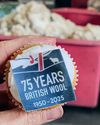
Finding out about what happens to fleeces when they leave the farm
Josephine Laing takes up the offer of a visit to a British Wood depot and finds there is much to be learnt for the flock owner
5 mins
January 2026
The Country Smallholder
Dealing with bullying behaviours in chickens
We love the idyllic idea of flocks of free ranging chickens, who live peacefully amongst each other and with us. What happens when this is not possible due to legal housing restrictions for poultry or practical reasons due to predators? Your chickens might start to bully each other. Fiona and Hugh Osborne look at the options to deal with bullying.
8 mins
January 2026
The Country Smallholder
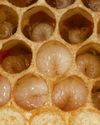
Healthy Bees are Happy Bees - looking after the youngsters in 2026
Claire Waring takes a look at diseases affecting honey bee brood
6 mins
January 2026
The Country Smallholder
The importance of power tools on the smallholding
Agricultural journalist and smallholder Jane Brooks joins us for her regular look at the world
4 mins
January 2026
The Country Smallholder
Making new year resolutions for your flock
Paul Donovan kicks off 2026 with a wish list that provides positive experiences for your poultry
8 mins
January 2026
The Country Smallholder
How to Protect Your Flock as Bird Flu Housing Order Kicks In
Clare Taylor looks at practical biosecurity that can be part of your routine care
2 mins
January 2026
Listen
Translate
Change font size