
استمتع بـUnlimited مع Magzter GOLD
احصل على وصول غير محدود إلى أكثر من 9000 مجلة وصحيفة وقصة مميزة مقابل
يحاول ذهب - حر
How to reduce the risk of new arrivals
May 2025
|The Country Smallholder
Vet Catriona Benson looks at what you can do to make sure introducing new livestock does not bring health issues to existing animals or birds
-
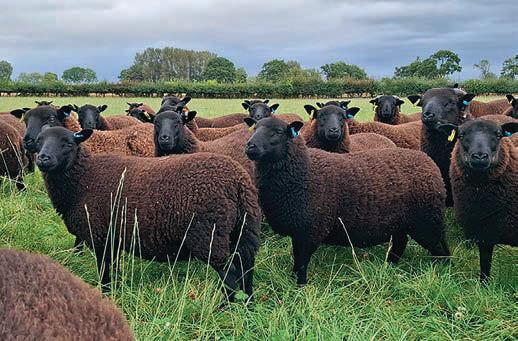
Adding to your collection of livestock is exciting! New arrivals can offer numerous benefits. Whether it’s the perfect ram to sire next year’s lambs, fresh genetics for your pig herd, or diversifying into a new breed - there are lots of reasons why you may want to go animal shopping!
However, be aware that your new acquisitions may bring with them more than you bargained for. Bringing new animals onto your smallholding is one of the easiest ways to introduce new diseases, too.
HIDDEN DISEASES AND CARRIER ANIMALS
We're all smart enough to avoid bringing home an animal that’s obviously ill. If your prospective purchase is limping, coughing or skinny, it’s clear that this is not a good investment!
The hidden danger comes from ‘carrier’ animals. Many infectious diseases can be silently harboured by animals that show no outward signs of illness. These carriers may continuously shed pathogens, putting your entire herd or flock at risk.
Common examples include CAE in goats, mycoplasma infections in pigs and chickens, and Johne’s disease in cows, sheep, and goats. These are all serious conditions that you'll want to keep far away from your livestock.
We also need to bear in mind that all diseases have an incubation period. This is the delay between an animal becoming infected, and the time when it actually starts to show symptoms. During the incubation period, you usually cannot tell whether an animal is infected just by examining it. Incubation periods are very variable: two weeks for footrot in sheep, two years for Johne's disease!
What this means in practice is that we cannot be sure that any animal is disease free just from examining it. It may be either incubating an infection, or be a silent carrier. Either of these can introduce new diseases to your existing livestock.
CLOSED FLOCKS

هذه القصة من طبعة May 2025 من The Country Smallholder.
اشترك في Magzter GOLD للوصول إلى آلاف القصص المتميزة المنسقة، وأكثر من 9000 مجلة وصحيفة.
هل أنت مشترك بالفعل؟ تسجيل الدخول
المزيد من القصص من The Country Smallholder
The Country Smallholder
Geese for your garden or orchard
There are many reasons for wanting to keep geese - but there are geese for all reasons. Find out which is the one for you!

3 mins
February 2026

The Country Smallholder
Farming thoughts as the smallholding carries on
Agricultural journalist, and machinery writer Jane Brooks, joins us for her regular look at the world.
4 mins
February 2026
The Country Smallholder
Dutch beauty - the Welsummer, famous for plumage colour and terracotta coloured eggs
Victoria Roberts BVSC MRCVS looks at a breed that has been kept by royalty and finds a suitably regal bird with a fascinating history
3 mins
February 2026
The Country Smallholder
How and why eggs vary in size
Paul Donovan investigates the factors influencing the size of a chicken's egg and finds some surprising influences that cause variations
8 mins
February 2026

The Country Smallholder
Newark hosts 10,000 vintage tractor and heritage machinery enthusiasts
Around 10,000 people turned out to celebrate the history of farm machinery and implements through the ages at this year's Newark Vintage Tractor and Heritage Show, held under bright skies at Newark Showground. The two-day event once again proved why it remains one of the highlights of the vintage calendar, with visitors travelling from across the UK - some from more than 400 miles away - to share in a weekend that mixed nostalgia, engineering excellence and community spirit. Exhibits spanned everything from pre-First World War tractors and classic combines to potato handling equipment, steam engines and restored diggers, with every era of British farming represented. One of the standout attractions was the spectacular Caterpillar display, where 89 exhibits ranging from the smallest crawlers to the largest dozers filled the showground. There was incredible history on the stand, including a Holt 75 manufactured during the First World War and presented in pristine condition. The biggest of all, a mighty D10, towered above the crowd and drew constant attention from visitors.
2 mins
February 2026
The Country Smallholder
Then, Now... and Into the Future
Farming and smallholding practices have altered over the past century or so. Some have been subtle, others less so and many brought about by technology and legislation. In the last of the series, Jeremy Hobson continues to outline just a few of them.
2 mins
February 2026
The Country Smallholder
In the forest garden
Adrian Thomas visits a garden in Somerset that's an inspiring mix of food growing, sustainability and wildlife
4 mins
February 2026

The Country Smallholder
Tis the season for Seville oranges time to make marmalade
Henrietta Balcon looks forward to spring with the breakfast favourite
2 mins
February 2026
The Country Smallholder
Track and Trace
John Sones looks at changes concerning livestock welfare measures and available funding
3 mins
February 2026
The Country Smallholder
Massive win for animal welfare as new vet-backed law set to clamp down on puppy smuggling
After a long and sustained campaign by British Veterinary Association, the Animal Welfare (Import of Dogs, Cats and Ferrets) Bill has received Royal Assent to become law.
2 mins
February 2026
Listen
Translate
Change font size