TRUE COLOURS
October 2023
|BBC Wildlife
Summer may have gone but the trees are about to dazzle with an uplifting display
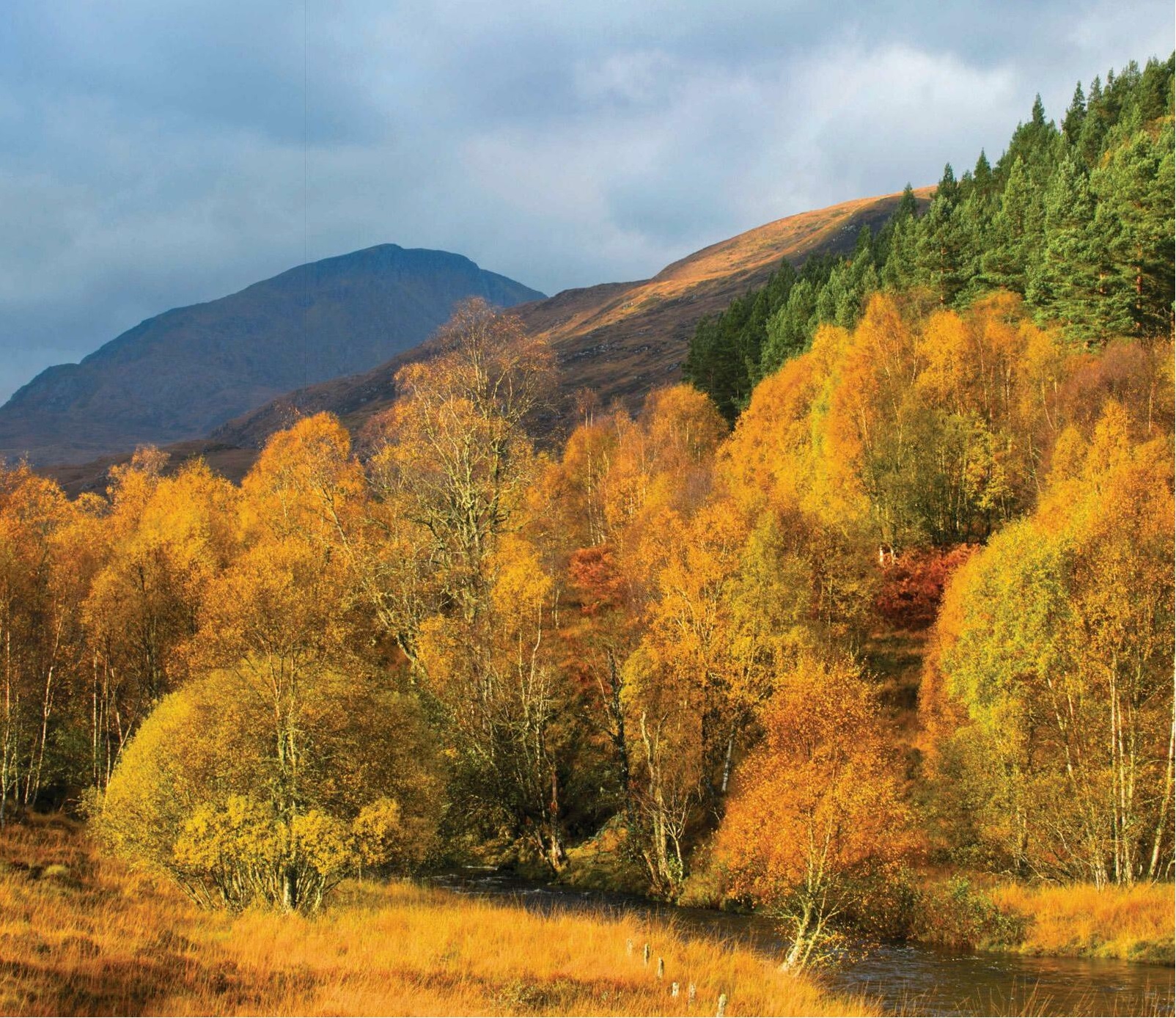
OF ALL BRITAIN'S WILDLIFE spectacles, surely the hardest to miss is the fanfare of autumn colour marking both the end of summer and the long descent to winter. Providing the most fabulous fillip on any woodland walk, the precise reasons why so many of our trees undergo such a radical transformation at this time of year are still shrouded in mystery.
The woody parts of Britain's deciduous trees are more than able to survive the winter. But with light levels becoming too low to enable photosynthesis and trees needing to conserve water when the ground may be frozen, the leaves suddenly become an accessory that trees are simply unable to keep.
Photosynthesis is the process by which plants use the sun's rays to power the conversion of carbon dioxide and water into sugars. This reaction occurs due to the presence of the pigment chlorophyll, quite possibly the world's most important compound. Chlorophyll absorbs the red and blue parts of the spectrum while reflecting green, which explains why green is the dominant colour from April to October.
Although chlorophyll is able to perform the magic trick of harnessing the sun's energy, its unstable nature means it is easily broken down, so in order to maintain a constant supply of sugars through the spring and summer months, the trees' production line of chlorophyll must be running 24 hours a day.

هذه القصة من طبعة October 2023 من BBC Wildlife.
اشترك في Magzter GOLD للوصول إلى آلاف القصص المتميزة المنسقة، وأكثر من 9000 مجلة وصحيفة.
هل أنت مشترك بالفعل؟ تسجيل الدخول
المزيد من القصص من BBC Wildlife
BBC Wildlife
"I was terrified the elephant would ram us"
African elephant in Kenya

2 mins
January 2026
BBC Wildlife
ALL YOU EVER NEEDED TO KNOW ABOUT THE Fennec fox
THE FENNEC FOX IS THE SMALLEST fox in the world, with a body length that can be as little as 24cm.
3 mins
January 2026
BBC Wildlife
INTO THE PLASTISPHERE
A unique synthetic ecosystem is evolving in our oceans – welcome to the plastisphere
7 mins
January 2026
BBC Wildlife
“More than half of all animal life exists in a parasitic relationship, and all life lives in symbiosis”
Our survival depends on species evolving to live together - but some relationships take dark turns
7 mins
January 2026
BBC Wildlife
Are animals able to dream?
SLEEP IS A MYSTERIOUS THING. FOR A long time, we weren't sure why we do it.
1 mins
January 2026
BBC Wildlife
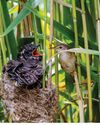
Does a cuckoo know it's a cuckoo?
ABSURD LITTLE BIRDS ACROSS THE world lay their eggs in the nests of other species, leaving the hapless parents to raise a changeling at the expense of their own offspring.
2 mins
January 2026
BBC Wildlife
Orcas killing young sharks
Juvenile great whites are easy prey for orca pod
1 mins
January 2026
BBC Wildlife
Ocean goes on tour
Acclaimed film touring the UK, backed by live orchestra and choir
1 min
January 2026
BBC Wildlife
Feisty bats hunt like lions
Winged mammals use a 'hang and wait' strategy to take down large prey
1 mins
January 2026
BBC Wildlife
SNAP-CHAT
Richard Birchett on magical merlins, wily coyotes and charging deer
2 mins
January 2026
Translate
Change font size