يحاول ذهب - حر
Can No Mow May cause more harm than good?
July 2023
|BBC Wildlife
FORGIVE ME, BUT I'M REALLY SURPRISED that your wildlife magazine continues to encourage people to partake in Plantlife's No Mow May campaign each year due to the harm it can cause.
-

Every garden will have wildlife that lives amongst the plants and in the nooks and crannies of various structures. When people leave their lawns uncut, it is not just the flying pollinators that will be attracted to the new habitat when various flowers appear, but many of the garden's resident creatures will move into the long grass, too.
It is these creatures that are then destroyed when the mowing resumes once May has passed. You only have to look at the life-cycle of grasshoppers to realise why No Mow May can be such a destructive scheme for wildlife.
If new habitats are to be created in gardens, then they need to be long term and not just for a month or two. In fact, there are many really good things that people could do in their garden to help our declining biodiversity rather than unwittingly risk harming it.
Now that I have retired from my job as head of entomology at the John Innes Centre in Norwich, I spend a lot of time talking to gardening clubs where I can explain the importance of balanced ecosystems. It would be great if you highlighted the pitfalls of creating temporary habitats (eg No Mow May) and what people could be doing instead. Ian Bedford, entomologist and show speaker, via email
PLANTLIFE REPLIES:
The campaign isn't and never has been about creating temporary habitats, but rather encouraging a change in mindset and behaviours as part of a new approach to lawns and green spaces.
Plantlife promotes a mixed mowing regime, with multiple different grass lengths, which has the greatest benefit to wildlife. Short lawns are best for bird's-foot trefoil, for instance, and mini meadow areas mown two to three times a year outside of peak summer months are often home to taller flowers such as musk mallow or oxeye daisies.

هذه القصة من طبعة July 2023 من BBC Wildlife.
اشترك في Magzter GOLD للوصول إلى آلاف القصص المتميزة المنسقة، وأكثر من 9000 مجلة وصحيفة.
هل أنت مشترك بالفعل؟ تسجيل الدخول
المزيد من القصص من BBC Wildlife

BBC Wildlife
SNAP-CHAT
Isaac Szabo talks hellbenders, chub nests and bears on the roof

3 mins
December 2025

BBC Wildlife
Why are the tropics so diverse?
AS YOU MOVE FROM THE POLES towards the equator, species richness increases.
1 mins
December 2025
BBC Wildlife
Magnificent frigatebird
ONE MIGHT BE FORGIVEN FOR thinking that pterodactyls had been de-extincted upon first sighting the silhouette of a magnificent frigatebird.
3 mins
December 2025
BBC Wildlife
YEAR OF THE CAT
Once a phantom of Chile's windswept peaks, this plucky feline is making a comeback
3 mins
December 2025
BBC Wildlife
KATE BRADBURY
“I feel I am part bird at this point at the year's end: I'm ready for spring”
2 mins
December 2025

BBC Wildlife
SNOW DAYS
High in the boreal forests of Colorado, the snowshoe hare lives a secretive life. But one photographer has gained a unique window into its world
3 mins
December 2025
BBC Wildlife
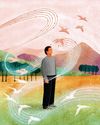
A journey into sound
Progressive hearing loss prompted a memorable quest to absorb nature's calls and choruses
7 mins
December 2025
BBC Wildlife
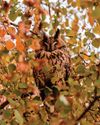
WILD IN THE CITY
A huge parliament of long-eared owls has made an unlikely home in a Serbian town square
2 mins
December 2025
BBC Wildlife
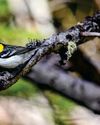
Birds follow the flames
In the Sierra Nevada of California, fire gives some birds a boost
1 mins
December 2025

BBC Wildlife
Remembering Jane
The ethologist, conservationist and humanitarian Dr Jane Goodall died in October. We reflect on the woman who gave the world hope
5 mins
December 2025
Translate
Change font size