
استمتع بـUnlimited مع Magzter GOLD
احصل على وصول غير محدود إلى أكثر من 9000 مجلة وصحيفة وقصة مميزة مقابل
A MATERIAL DIFFERENCE
October 2020
|Airgun World
Replacing old leather piston seals with modern synthetic alternatives? Jim gives it a shot

Before the advent of synthetic piston washers and ‘O’ rings, piston seals were made from leather and in some ways, it’s not a bad choice of material; it’s readily available,fairly cheap, and flexible enough to form a good air seal without excessive friction, but it does have one major drawback, which is that it dries out and becomes inflexible after repeated shot cycles in the high temperature environment of the springer cylinder.
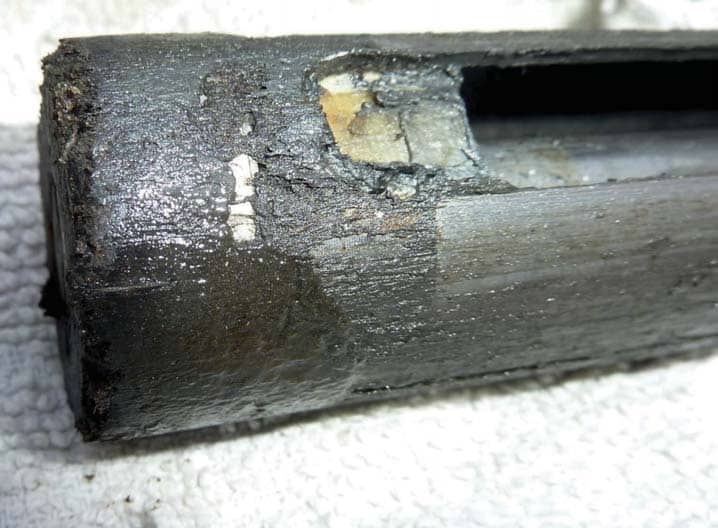
In order to extend the life of leather seals, some means of keeping them soft and supple was needed, and the traditional solution was a fat extracted from the shin bones of cattle and called ‘neatsfoot oil’ – ‘neat’ being an old word for ‘cattle’. Unlike other animal fats, neatsfoot oil remained a liquid at room temperature, which allowed it to soak into the leather, and this greatly extended the useful working life of seals, but in time, and especially in the high temperature environment of the springer cylinder, it oxidises and becomes brittle.
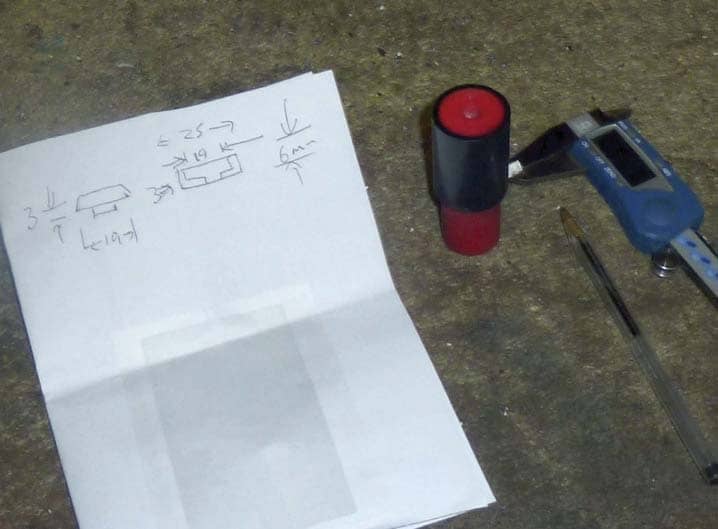
In order to extend the useful working life of leather seals, airgun manufacturers used to recommend periodically – after every so many hundred shots – putting a couple of drops of lubricant (usually their own brand) down the transfer port.


هذه القصة من طبعة October 2020 من Airgun World.
اشترك في Magzter GOLD للوصول إلى آلاف القصص المتميزة المنسقة، وأكثر من 9000 مجلة وصحيفة.
هل أنت مشترك بالفعل؟ تسجيل الدخول
المزيد من القصص من Airgun World

Airgun World
The ‘One Rifle' Philosophy
Philip Siddell discusses the benefits that adapting to a changing financial situation can bring to your shooting

5 mins
November 2020

Airgun World
Get Ready For Winter
Dave Barham reveals his tips and tricks for hunting rabbits during the colder months
4 mins
November 2020
Airgun World
Let's All Try The PC Approach!
The Editor recommends the limitless delights of ‘PC’ shooting - and offers some suggestions
4 mins
November 2020
Airgun World
Feeling A Little Grey?
Kevin Cudmore has the answer with the Umarex HK VP9
4 mins
November 2020

Airgun World
FUTURE SET IN STONE!
One of the UK’s leading air rifle centres gets a brand-new store!
1 mins
November 2020

Airgun World
THE EYES HAVE IT!
Via Blackpool Air Rifles and Kalibrgun, the editor examines the remarkable Argus 60
9 mins
November 2020

Airgun World
THE FUTURE IS HERE!
Russ Douglas introduces the next generation night-vision imager, relatively affordable and perfectly compact
9 mins
November 2020

Airgun World
CHALLENGE ACCEPTED!
Six top shooters face 10 tests of their talent – as Ian Harford reports from America’s shooting reality tv show… on the American Airgunner Challenge
9 mins
November 2020

Airgun World
EAST MEETS WEST
John Milewski takes a peek at air rifle shooting behind the Iron Curtain
4 mins
November 2020

Airgun World
A BREAK WITH TRADITION!
Tim Finley breaks his Kral Arms duck to review the Champion springer
4 mins
November 2020
Translate
Change font size