يحاول ذهب - حر
How and Why Microplastics Invade Our Everyday Lives
May - June 2022
|Popular Mechanics
Organizations like the Ocean Cleanup use nets (above) to capture large pieces of trash, but microplastics often slip through. Data from a 2016 study (left) found that fibers made up as much as 71 percent of microplastics that flow into the Great Lakes.

The abundance of single-use plastic items such as water bottles, grocery bags, and packaging materials has soared since the 1950s. These objects break down into microplastics, or tiny bits of plastic less than 5 millimeters long (less than half the width of your pinky fingernail), which are now ubiquitous.
No one knows exactly how much microplastic has made it into the environment, but in 2021, an international team of multidisciplinary scientists estimated that there were 24.4 trillion pieces of microplastics in the world's upper oceans alone, or the equivalent of roughly 30 billion plastic water bottles.
Because of their minute size, microplastics aren't easy to track. For many years, researchers assumed these tiny bits of trash entered rivers, where they were carried downstream to the ocean in a relatively short amount of time. But that's not actually the case. According to a new study published in Science Advances, it's estimated that microplastics may remain in rivers for more than 300 years before entering the ocean. This means the microplastics in rivers have much greater potential to cause harm to humans and the environment than scientists previously thought.


هذه القصة من طبعة May - June 2022 من Popular Mechanics.
اشترك في Magzter GOLD للوصول إلى آلاف القصص المتميزة المنسقة، وأكثر من 9000 مجلة وصحيفة.
هل أنت مشترك بالفعل؟ تسجيل الدخول
المزيد من القصص من Popular Mechanics

Popular Mechanics US
HOW TO UNCLOG A SINK
IF YOUR SINK IS CLOGGED AND PLUNGING fails to clear the blockage, look to your P-trap (or simply, “trap”) before calling a plumber.

1 mins
January / February 2026

Popular Mechanics US
A WEIRD (AND FREE!) SOUND SYSTEM HACK
THERE ARE SO MANY VARIABLES TO how a room's dimensions, a building's construction, the placement of furniture, and the materials of that furniture affect the sound of speakers and subwoofers that there's no way to offer a one-size-fits-all, \"put it here\" maxim for the absolute best subwoofer sound quality.
1 mins
January / February 2026
Popular Mechanics US
The Fringes of Life
AT FIRST GLANCE, CREATING A DEFINItion of \"life\" seems simple.
2 mins
January / February 2026

Popular Mechanics US
THE SAND THIEVES
Sand is the hidden architecture of our modern world—but it's running out. Global mafias are stealing this precious resource from right beneath our feet, and they're willing to kill for it.
18 mins
January / February 2026

Popular Mechanics US
OPERATION PLUTO
THE ALLIES’ SECRET UNDERWATER WEAPON THAT HELPED DEFEAT THE NAZIS
13 mins
January / February 2026

Popular Mechanics US
5 WAYS TO KEEP YOUR GENERATOR IN WORKING ORDER
IF YOU HAVE A GAS GENERAtor, use ethanol-free gas treated with fuel stabilizer, and maintain a full tank when not in use; keep a gas can full of stabilized fuel on hand during peak disaster season.
1 min
January / February 2026

Popular Mechanics US
Minivans
MINIVANS ARE MAKING A COMEBACK, and that's kind of surprising, as they're some of the most polarizing vehicles on the road and have always been built with a function-over-form ethos.
1 mins
January / February 2026

Popular Mechanics US
3 WAYS TO FIND A STUD WITHOUT A STUD FINDER
There is a noticeably hollow sound when you knock on the space between the studs versus when you knock on drywall that has a stud behind it.
1 min
January / February 2026
Popular Mechanics US
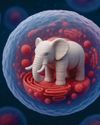
A Cell-Sized Elephant
EVER SINCE THE POPULARITY OF 3D printing skyrocketed in the midaughts, people have been manufacturing everything from chocolate to rocket fuel-and that list now includes a microscopic elephant inside of a living cell. Technology has really leveled up since 2005.
1 mins
January / February 2026

Popular Mechanics US
WHO SETS THE DOOMSDAY CLOCK?
In the shadow of my family's atomic legacy, I set out to understand the increasingly urgent debate about humanity's capacity to end itself and what it can teach us about living.
21 mins
January / February 2026
Translate
Change font size