يحاول ذهب - حر
GREEN IS THE NEW ORANGE
April 01, 2021
|Down To Earth
THERE IS MORE TO CARROTS THAN THEIR COLOURFUL ROOTS

THE CALL to reduce food waste has grown louder in the time of climate change. One of the obvious yet overlooked examples of wasted food potential is the carrot (Daucus carota). When we think about carrots, we only remember the colourful roots of its various varieties. The red ones are grated and cooked in milk to prepare a halwa or gajrela, while purple carrots are used to make a tangy fermented drink called kanji in Uttar Pradesh. But roots do not carrot. The lacy green leaves make up nearly half of the weight of the vegetable but rarely reach the markets or our plates. They are often discarded after harvest to improve the shelf life of the roots, and merely used as animal and poultry feed. But they have potential to increase food diversity for human beings, not to mention their huge nutritional value.
Carrot leaves, just like the roots, are rich in vitamin A. Carbohydrates and protein account for 60 per cent and 20 per cent respectively of the leaves’ dry weight, as per a study published in the Journal of Food and Dairy Sciences in April 2011. The leaves have potassium that lowers blood pressure, supports metabolism and prevents osteoporosis. They also contain calcium, phosphorus, iron and zinc. Given that they are rich in natural antioxidants, carrotgreen extracts are often added to commercial food products. No wonder health food enthusiasts and foragers use them in herbal teas, soups and salads.


هذه القصة من طبعة April 01, 2021 من Down To Earth.
اشترك في Magzter GOLD للوصول إلى آلاف القصص المتميزة المنسقة، وأكثر من 9000 مجلة وصحيفة.
هل أنت مشترك بالفعل؟ تسجيل الدخول
المزيد من القصص من Down To Earth

Down To Earth
MILES TO GO
As impacts of climate change accelerate, climate finance remains trapped in incrementalism

6 mins
April 16, 2026

Down To Earth
Hope for revival of the great Indian bustard
The birth of a great Indian bustard chick in the Kutch region of Gujarat has created history in the world of conservation, reviving hope.
2 mins
April 16, 2026
Down To Earth
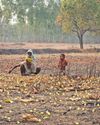
IN MAHUA TERRITORY
Once mahua starts to flower, every thing else takes a back seat for tribal communities in forests of central India
6 mins
April 16, 2026

Down To Earth
CAUGHT IN THE ENERGY GAP
Kitchens across rural India reflect a peculiar reality: energy is within reach but affordability remains a concern. PUJA DAS travels across 15 villages in Madhya Pradesh, Chhattisgarh and Uttar Pradesh to investigate why rural households still rely on traditional fuels like firewood, dung cakes and crop residue that pose a health risk, and why their energy bills are rising.
12 mins
April 16, 2026
Down To Earth
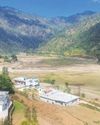
Lake or wetland?
While villages around Almora's Tadag Tal want the seasonal lake to be developed into a perennial waterbody, experts say the area is a wetland and should not be disturbed
5 mins
April 16, 2026
Down To Earth
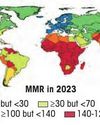
World far from curbing maternal deaths
INDIA HAS cut its maternal mortality ratio (MMR) by 80 per cent since 1990, according to a recent analysis published in The Lancet.
1 min
April 16, 2026
Down To Earth
Energy in times of war
THE DISASTROUS US-Israel war against Iran has disrupted energy supply across the world. Governments in both rich and poor countries are warning their people of dire times ahead, unlike anything seen before by this generation: acute energy scarcity, rationing and even the prospect of cars and aeroplanes running out of fuel. The question is what will the future energy map look like?
3 mins
April 16, 2026

Down To Earth
Unfinished business
Land consolidation is globally considered a critical component of land reforms and holds the key to improve agrarian productivity. But it is yet to be undertaken in meaningful ways in most parts of the country, reports
6 mins
April 16, 2026

Down To Earth
Roots of revival
Chhattisgarh's Baiga community mounts conservation efforts to keep alive a traditional art form at risk of vanishing due to ecological changes
2 mins
April 16, 2026
Down To Earth
A mass human capital loss
ADULT HEIGHT across countries, including India, is no longer increasing.
2 mins
April 16, 2026
Translate
Change font size