يحاول ذهب - حر
LAB-GROWN MEAT
May 2022
|BBC Science Focus
EVERYTHING YOU NEED TO KNOW ABOUT A FUTURE WHERE YOU CAN HAVE YOUR STEAK AND EAT IT…

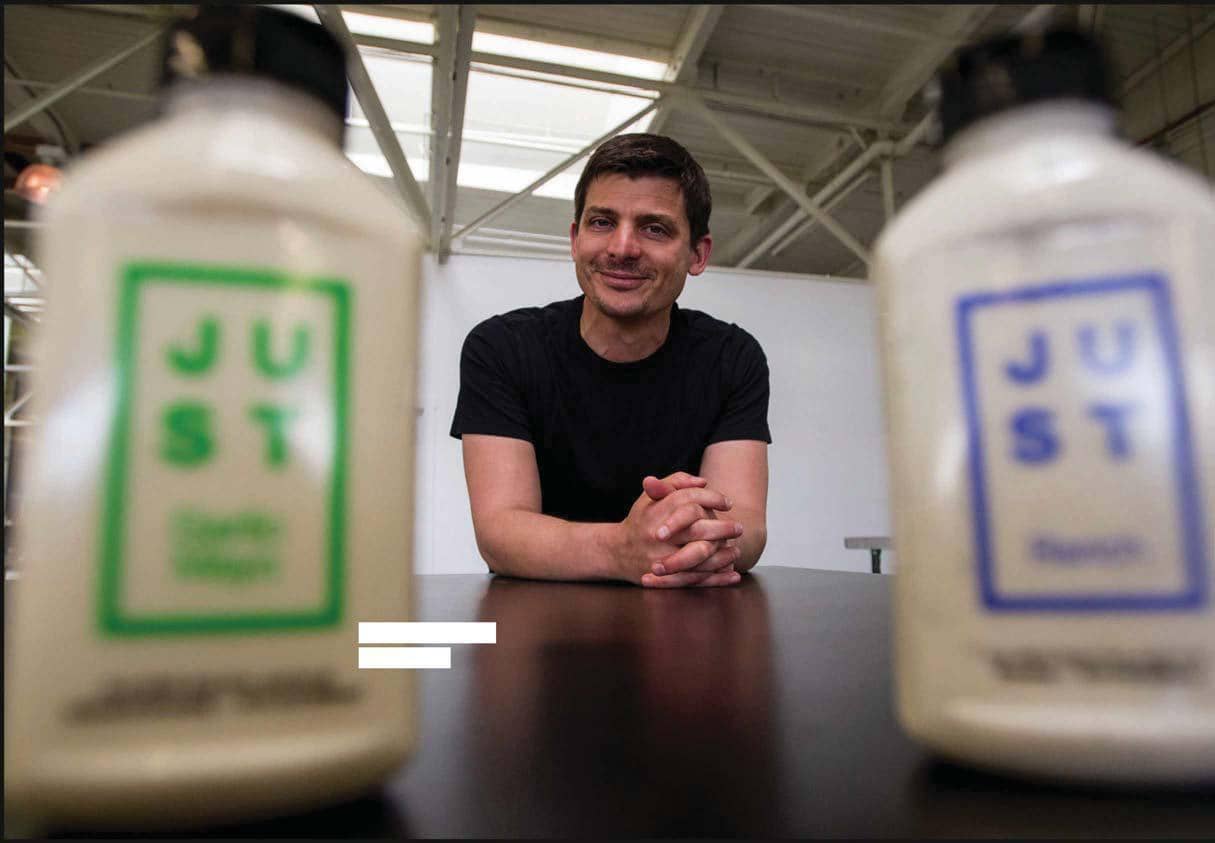
It wasn’t long ago that the idea of the meat on our plates coming from vast stainless steel bioreactors, rather than farmed animals, seemed like science fiction. The notion has gone through numerous rebrands since its early positing as ‘vat meat’, which triggered unappealing visions of high-tech Spam. ‘Lab meat’ came next, as scientists perfected the recipe in small beakers in laboratories. Then came the more appetising-sounding ‘cultured meat’, as investment from high-profile individuals rocketed and producers positioned these products as having been brewed, just like beer. Now, ‘cultured meat’ has evolved to ‘cultivated meat’, which is the preferred term used by CEOs in the industry.
Whatever you choose to call it, with the future of global food security in question, and farmed meat a key culprit in climate breakdown, slaughter-free meat is starting to look increasingly like the future of food.

HOW IS THE MEAT MADE?
Rather than being part of a living, breathing, eating and drinking animal, cultivated meat is grown in anything from a test tube to a stainless steel bioreactor. The process is borrowed from research into regenerative medicine, and in fact Prof Mark Post of Maastricht University, who cultured the world’s first burger in 2013, was previously working on repairing human heart tissue. Cells are acquired from an animal by harmless biopsy, then placed in a warm, sterile vessel with a solution called a growth medium, containing nutrients including salts, proteins and carbohydrates. Every 24 hours or so, the cells will have doubled.


هذه القصة من طبعة May 2022 من BBC Science Focus.
اشترك في Magzter GOLD للوصول إلى آلاف القصص المتميزة المنسقة، وأكثر من 9000 مجلة وصحيفة.
هل أنت مشترك بالفعل؟ تسجيل الدخول
المزيد من القصص من BBC Science Focus

BBC Science Focus
DOES MY DOG HAVE ADHD?
Officially, Attention-Deficit Hyperactivity Disorder (ADHD) is a human condition. People are diagnosed with it. Dogs are not. Yet many of its core features, including hyperactivity, impulsivity and distractibility, can be found in dogs.

1 min
March 2026

BBC Science Focus
DOES MY BRAIN LIVE A LITTLE IN THE PAST?
Yes, your brain does live a little in the past. It can't help it. The information it receives via your senses is always a little out of date. Whether it's light entering the retinas in your eyes, or sounds vibrating the hairs in your ears, it not only takes time for the data to arrive, but your brain then has to process it.
2 mins
March 2026

BBC Science Focus
ASTRONOMY FOR BEGINNERS
RETURN OF THE EVENING STAR (VENUS)
1 mins
March 2026

BBC Science Focus
CAN YOU STOP YOUR SENSE OF TASTE DULLING AS YOU AGE?
Sometimes I hear people say that food just doesn't taste the same as they get older. It's tempting to blame this on age, but there are other factors at play, too.
1 mins
March 2026
BBC Science Focus
MICROBIOMES OF THE SUPERAGERS
BY STUDYING THE INCREASING NUMBER OF PEOPLE WHO ARE LIVING BEYOND THEIR 100TH BIRTHDAYS, SCIENTISTS ARE DISCOVERING THAT THE SECRET TO REACHING A RIPE OLD AGE IN RUDE HEALTH MIGHT LIE IN OUR GUTS
8 mins
March 2026

BBC Science Focus
HOW BIG WERE MEDIEVAL WAR HORSES?
You might picture knights charging into battle on towering steeds, but medieval horses were typically no bigger than modern-day ponies.
1 min
March 2026
BBC Science Focus
FORCES OF HABIT
Could new research on setting up healthy habits resuscitate those stuttering New Year resolutions?
3 mins
March 2026

BBC Science Focus
5 DANGERS HIDING IN YOUR PROCESSED FOOD
We all know that ultra-processed foods are bad for us, but what ingredients should we particularly try to avoid? And what are they doing to our bodies?
9 mins
March 2026
BBC Science Focus
Mosquitoes are becoming thirstier for human blood
Habitat loss may be pushing mosquitoes towards human hosts with deadly consequences
1 mins
March 2026

BBC Science Focus
HOW CAN I GET OVER MY EX?
Relationship breakups can be brutal, just look at the popularity of songs like 'Someone Like You' by Adele, or all the covers of 'Cry Me a River' by Julie London.
1 mins
March 2026
Translate
Change font size